A 2026 Player's Very Serious Ranking of 2020's Best Game Villains
A sharp look at 2020's best video game villains, from Basim's sly Loki reveal to Sephiroth and Hades' family drama.
Hello, I am a perfectly ordinary player, and in 2026 I still keep a tiny museum of video game villains in my head. Why? Because protagonists are often polite blank slates holding a controller-shaped sign that says 'go here,' while a good antagonist gets to chew the scenery, break my heart, or make me yell 'oh no' at 2 a.m. The 2020 villain roster I keep revisiting was not exactly overflowing with unforgettable baddies, but wow, its high points were high. Spoiler foghorn: yes, I will ruin plot points. Consider this your friendly warning, not a legal document.
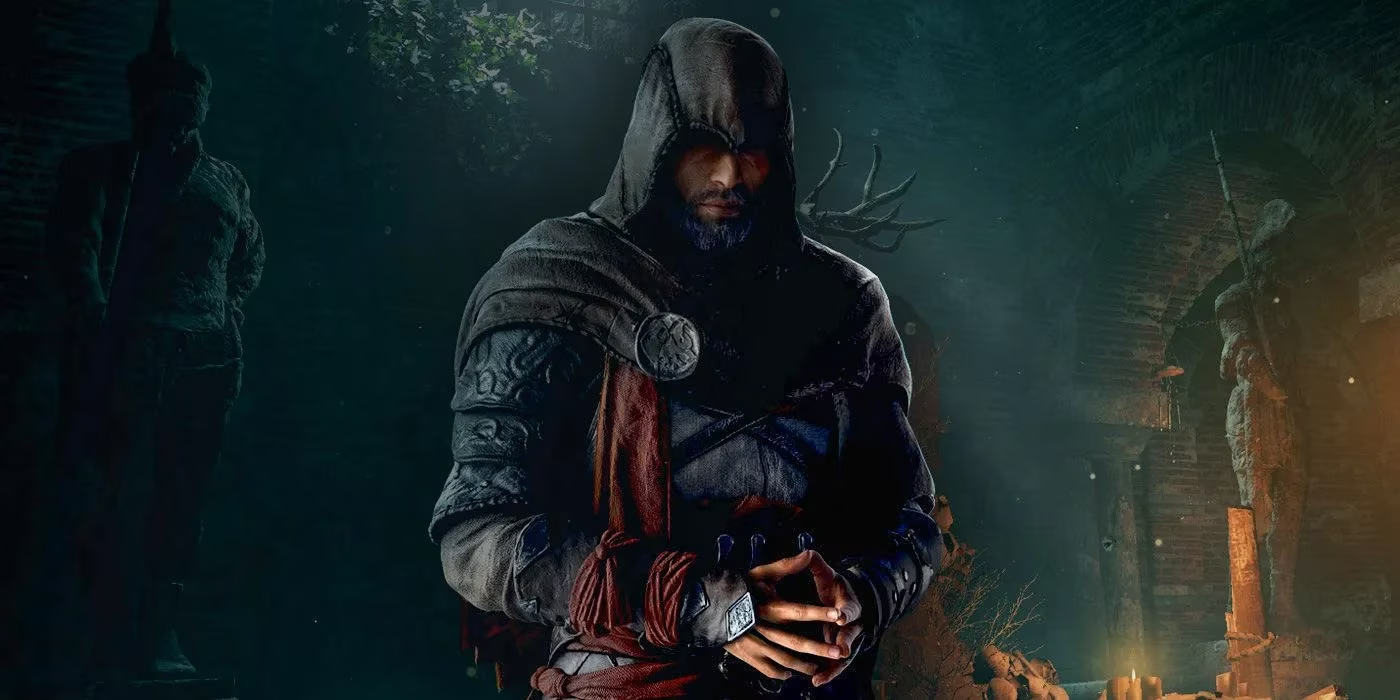
Basim: The Ally Who Was Actually Loki, Obviously
I love a betrayal that makes me rewind my own memory. Basim starts as a helpful Hidden Ones buddy in Assassin's Creed Valhalla, and then the game politely informs me he is a reincarnation of Loki with a revenge plan against Eivor, who is a reincarnation of Odin. Is that a lot? Yes. Did I gasp anyway? Also yes. It is the kind of twist that makes me want a sequel, a prequel, and maybe a very awkward Norse family-therapy DLC. The trickster energy is strong, and I respect a villain who smiles while quietly rearranging the entire plot.
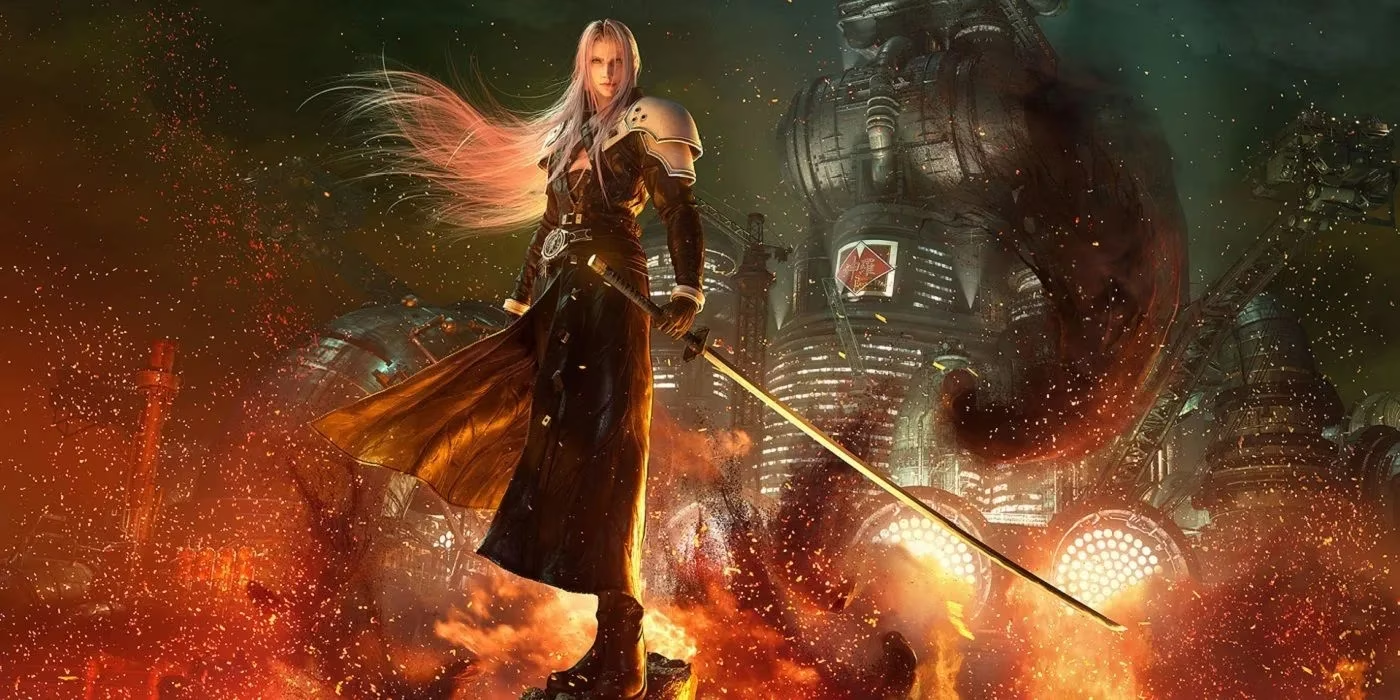
Sephiroth: The Free Space on the Bingo Card
Putting Sephiroth on a best-villain list feels like claiming water is wet, but here I am. In Final Fantasy 7 Remake, Square Enix did not just copy-paste the 1997 icon; it made him the embodiment of the remake's design philosophy. His goal is to change fate, which mirrors the game itself doing something new with a classic. Is it cheating to put Sephiroth on every list? Maybe. Do I care? Not even slightly. The man has the hair, the sword, the theme music, and the audacity. In 2026, he remains the villain equivalent of a fire alarm: loud, effective, and impossible to ignore.
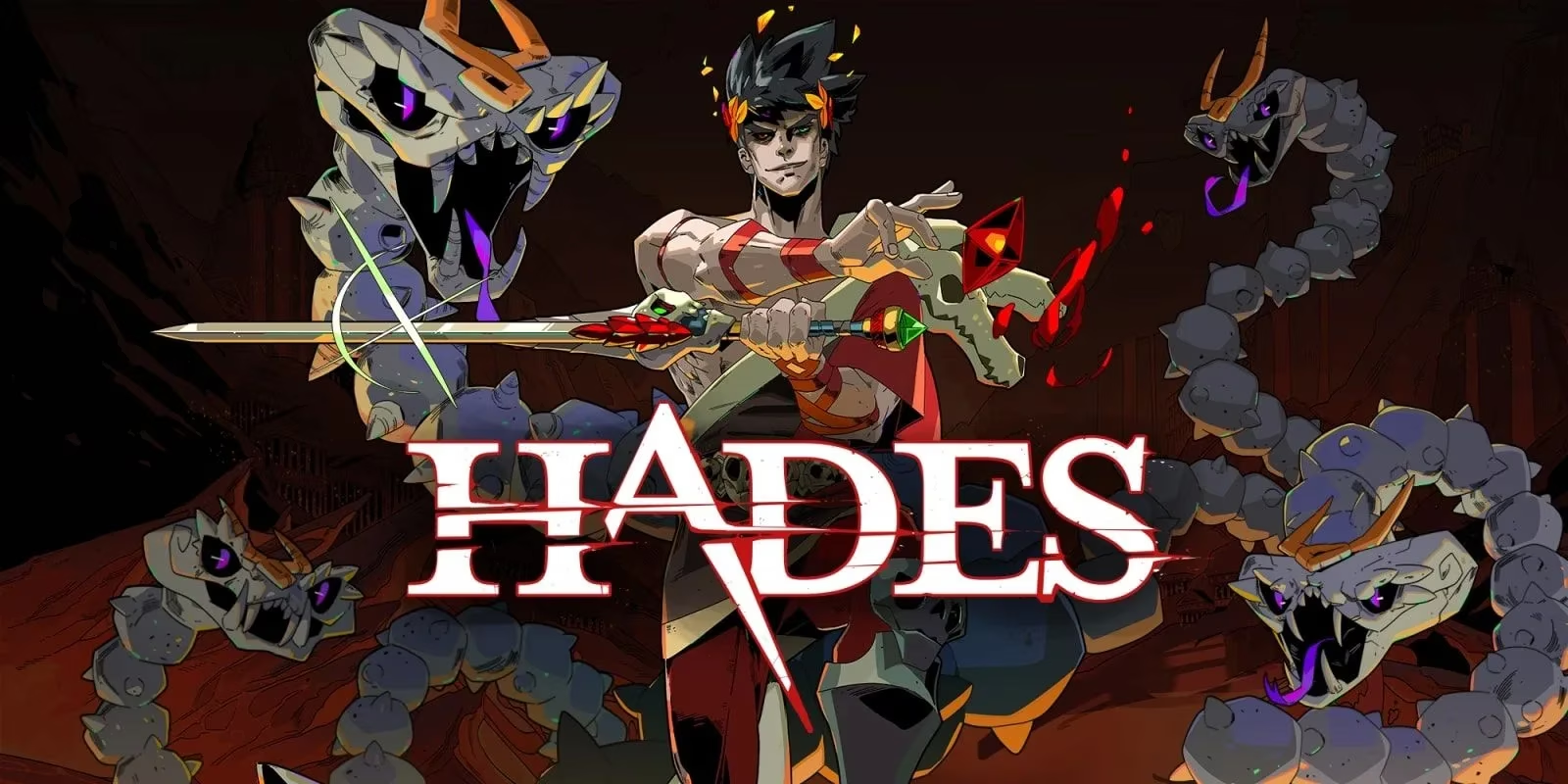
Hades: Family Drama, But Make It Gameplay
Supergiant Games' Hades won two accolades at The Game Awards 2020 and got nominated for many more, and I still think the biggest flex is how the story and gameplay both revolve around the god of the underworld. Zagreus wants to escape to meet his birthmother, Persephone, while Hades controls every challenge in his path. Creative Director Greg Kasavin noted that Hades has more words than The Iliad and Odyssey, and a huge amount of that is dedicated to Hades' relationships with his son and the Olympian pantheon. So the antagonist is not just a boss; he is the entire emotional weather system of the game. Who knew underworld bureaucracy could feel so personal?
Friends Who Make Terrible Choices
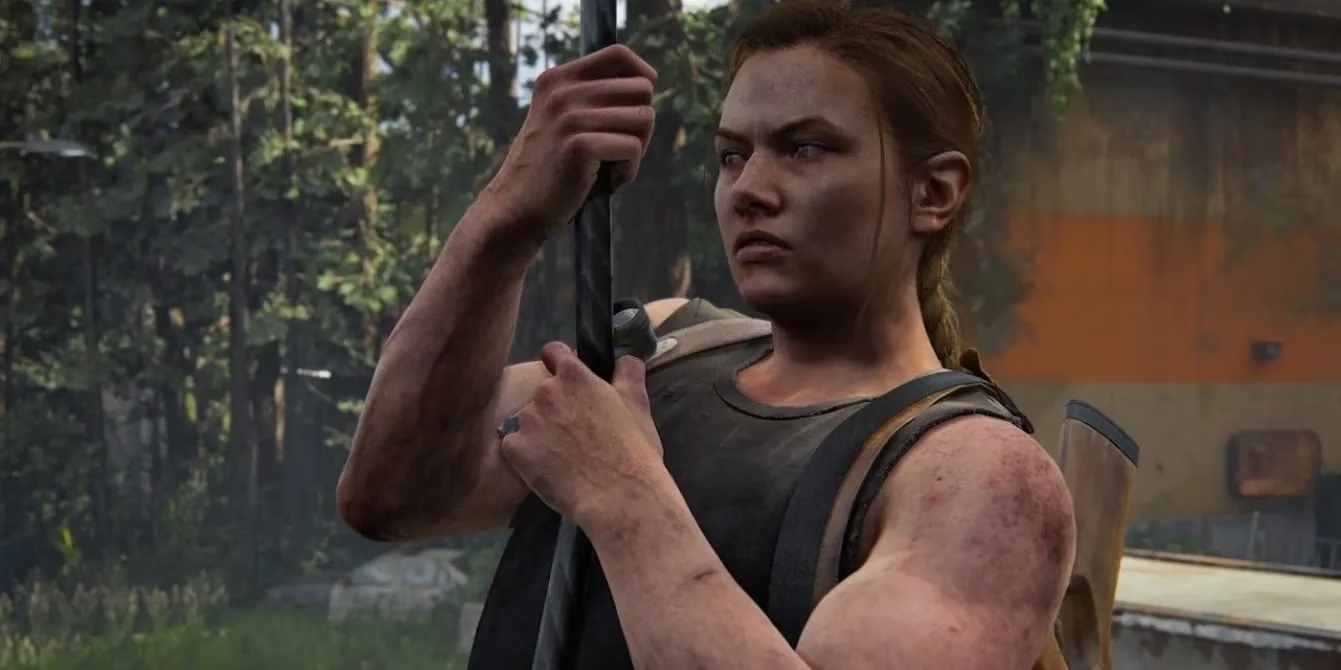
Some villains punch you. Some villains make you sigh like a disappointed parent. Ryuzo in Ghost of Tsushima is Jin Sakai's childhood friend, but he leads the Straw Hats, a ronin gang siding with the Mongols. I kept hoping he would snap out of it, which is exactly why his personal conflict works. Then there is Phin Mason, the Tinkerer in Spider-Man: Miles Morales, reimagined from the old Phineas Mason into Miles' childhood friend seeking revenge against Roxxon after her brother is killed. That connection gives the conflict real weight, much like Miles and Aaron in Spider-Man: Into the Spider-Verse. And then there is Abby Anderson from The Last of Us Part 2, who is less a cartoon villain and more a mirror with a gym membership. She and Ellie are flip sides of the same revenge coin, and that is precisely why the argument around them still has teeth in 2026.
The Weirdos, Scientists, and Shark Hunters
Gears Tactics gave us Ukkon, a hyper-intelligent scientist who began life as a human, was considered Patient Zero for Rustlung, and became a gene-mutation nightmare factory for the Locust Horde. Maneater gave us Scaly Pete, a shark hunter so despicable that he mutilates a newborn shark to mark it for later revenge. Paper Mario: The Origami King gave us Olly, a king whose motivation involves revenge because his creator scribbled inside his folds. And Wasteland 3 gave us Liberty Buchanan, whose menacing presence hangs over Colorado and whose final-boss situation can be handled with direct combat, joining her army, or a peaceful arrest if you built the right stats. Is it normal to respect a villain more because she respects my RPG build? No. Am I still doing it? Absolutely.
My Totally Unscientific 2026 Scorecard
| Villain | Game | My 2026 vibe check |
|---|---|---|
| Basim / Loki | Assassin's Creed Valhalla | Trickster betrayal with excellent rewind value |
| Sephiroth | Final Fantasy 7 Remake | Iconic, unfair, still works |
| Hades | Hades | Best dad-shaped final boss in mythology |
| Ryuzo | Ghost of Tsushima | Friend-shaped tragedy |
| Ukkon | Gears Tactics | Scientist who should have been stopped earlier |
| Scaly Pete | Maneater | Gross, goofy, weirdly memorable |
| Olly | Paper Mario: The Origami King | Arts-and-crafts revenge with real stakes |
| Phin Mason / Tinkerer | Spider-Man: Miles Morales | Childhood friend, enormous emotional damage |
| Abby Anderson | The Last of Us Part 2 | Mirror, foil, and endless debate fuel |
| Liberty Buchanan | Wasteland 3 | Menacing, flexible, and RPG-aware |
Why These Villains Still Sting in 2026
Looking back from 2026, I think the best villains here are not the ones with the biggest explosions. They are the ones who turn the story into a personal problem. Basim makes loyalty suspicious. Sephiroth makes fate itself a boss fight. Hades makes family dinner feel like a dungeon run. Ryuzo and Phin make friendship complicated in ways that hurt more than a health bar. Abby makes me question who deserves sympathy, and Liberty makes me question whether my character build counts as diplomacy. A great villain is a mirror with a monologue, and 2020 gave me several mirrors I still argue with. Will I ever stop overthinking these characters? Probably not. Would I want to? Absolutely not. 🎮