Beyond the Horns and Hellfire: The Unlikely Heroes of Gaming's Gentle Demons
In 2026, video games are redefining demonic characters, showcasing compelling and complex beings who choose peace or redemption. These unexpected heroes, from reluctant succubi to atoning knights, are subverting ancient archetypes with profound narratives.
In the vast, often blood-soaked landscapes of video games, demons have long been the default antagonists, their very nature synonymous with chaos and malevolence. They are the roaring furnaces of conflict that power so many narratives. Yet, as we look at the gaming landscape in 2026, some of the most compelling characters defy this ancient archetype. I've chronicled the stories of warriors and outcasts who prove that a demonic lineage doesn't preclude a peaceful heart or a heroic purpose. These beings, often more complex than the heroes who confront them, choose paths of atonement, solitude, or simple coexistence, becoming unexpected lighthouses in the fog of eternal war.
V: The Poet of Regret
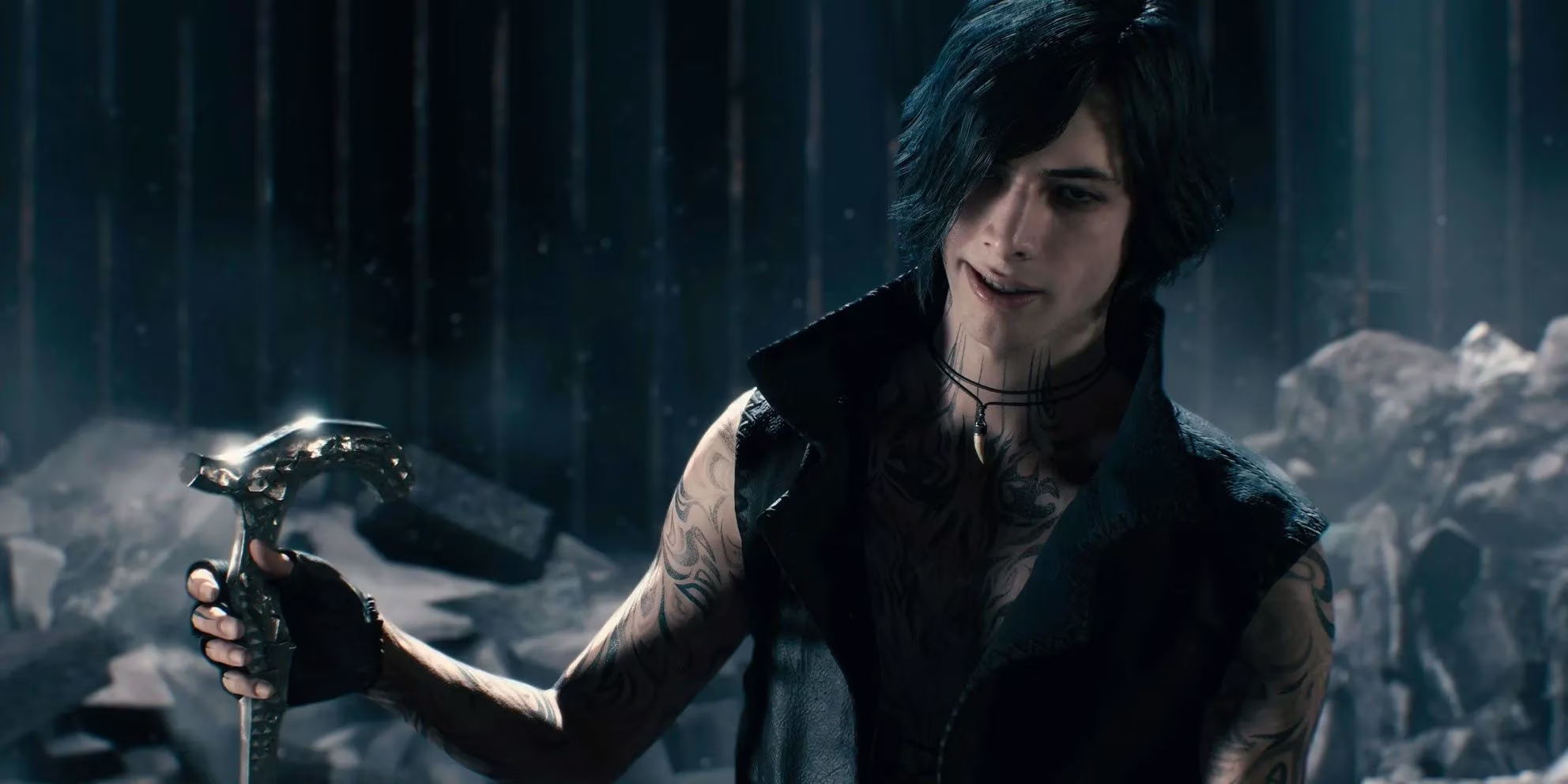
The saga of V in Devil May Cry 5 remains a masterclass in narrative subversion. Initially an enigma wrapped in poetry and shadows, V was ultimately revealed to be the fragmented humanity of Vergil, Dante's power-hungry twin. While his other half pursued demonic supremacy with the cold precision of a scalpel, V wandered the streets, a weary soul burdened by the knowledge of his own inevitable end. His reluctance to fight was not cowardice but a profound understanding of the cyclical tragedy he represented. Helping Nero and Dante was his final, graceful act—a way to sew the ragged tear in his own soul before fading away. His story is a poignant reminder that sometimes, the most demonic thing one can do is to finally choose peace.
Morrigan Aensland: The Reluctant Queen
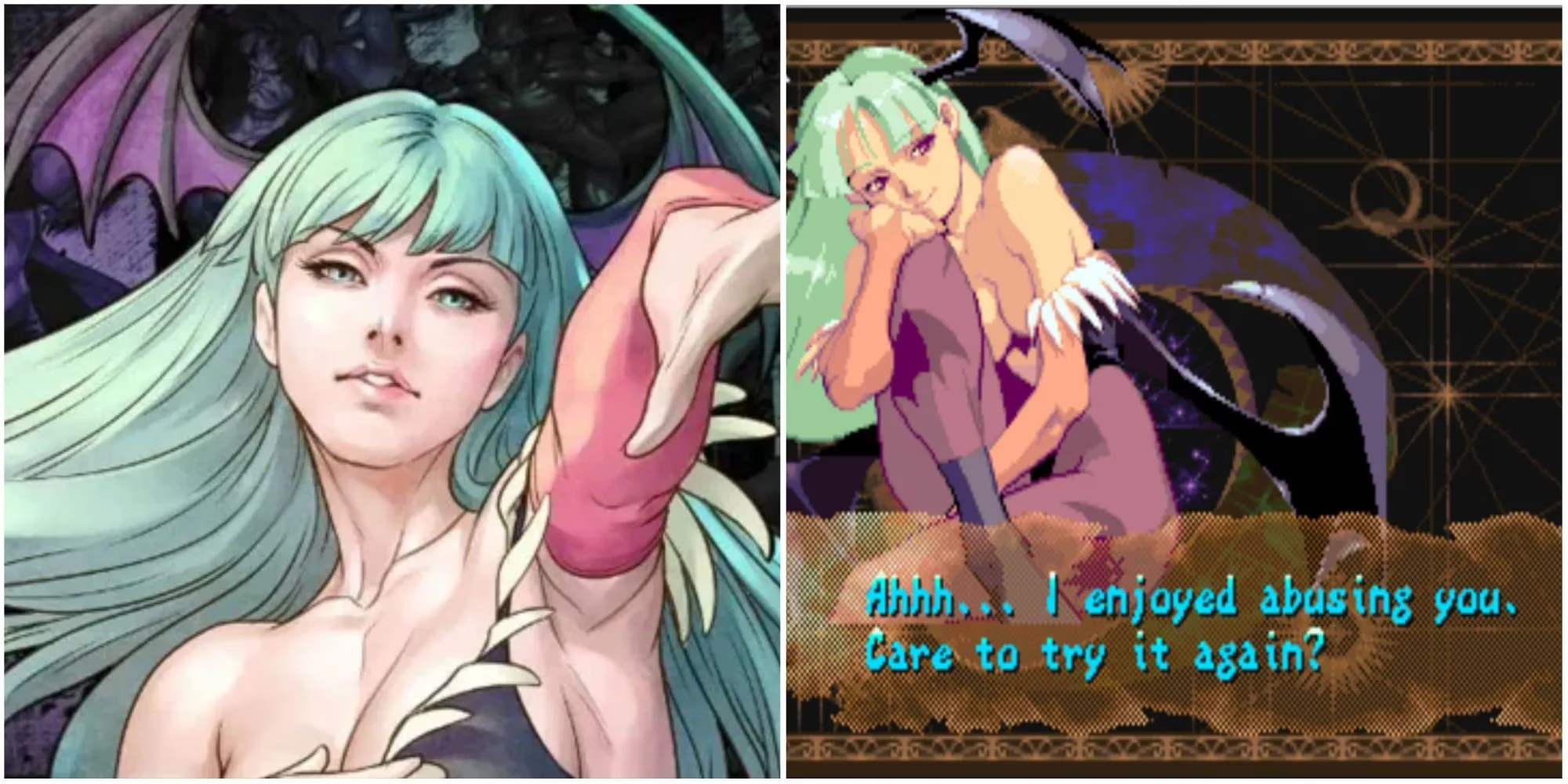
Morrigan Aensland, the succubus heiress to a demonic throne, has always treated her immense birthright like a gilded cage. For her, the endless political squabbles of the Makai realm are as tedious as a broken record skipping on the same infernal note. Her true passions lie in the vibrant chaos of the human world, a playground for her whims. Yet, when true cosmic evils like Jedah arise, threatening her favorite amusement park, she acts. Her motivation is selfish—preserving her fun—but the result is a protective barrier for humanity. She is a guardian deity in the guise of a hedonist, proving that alignment is often a matter of convenient interests.
Siegfried: The Knight Reforged
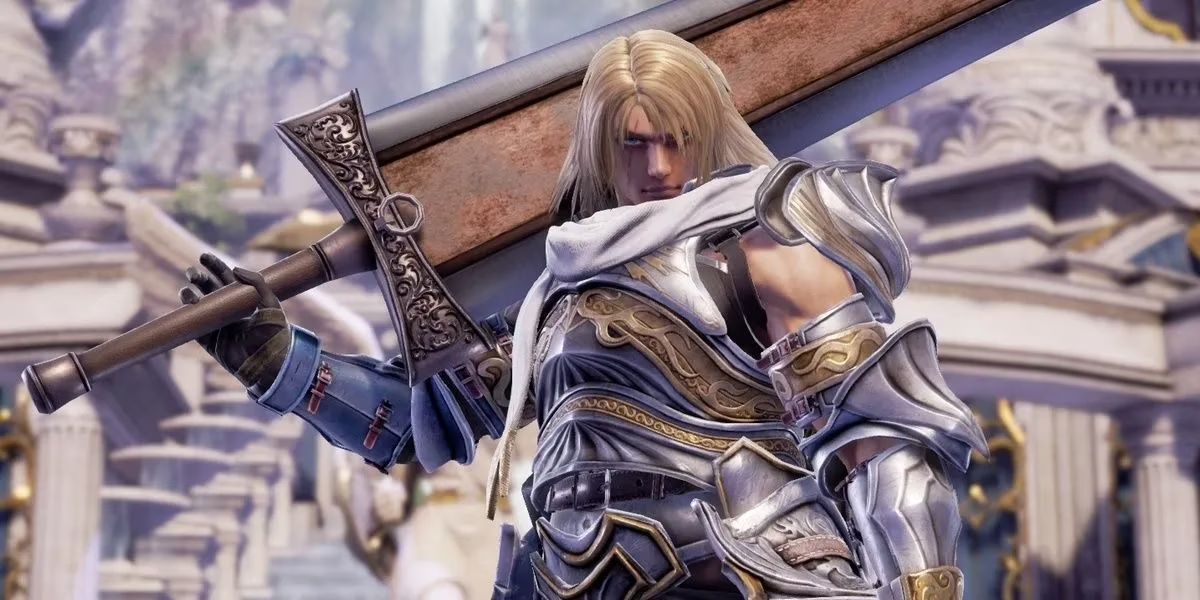
Siegfried's journey is one of the most harrowing tales of redemption in fighting game lore. Possessed by the cursed sword Soul Edge, he became Nightmare, a being of pure destruction. His liberation was not just physical but spiritual. Casting off that armor was like shedding a second skin of pure malice. Reborn, he dedicated his life to atonement, his greatsword now a tool for salvation rather than slaughter. His ultimate triumph—destroying the very artifact that once corrupted him—solidified his status not as a former demon, but as a knight who stared into the abyss and used its reflection to polish his own honor.
Mimikyu: The Lonely Specter
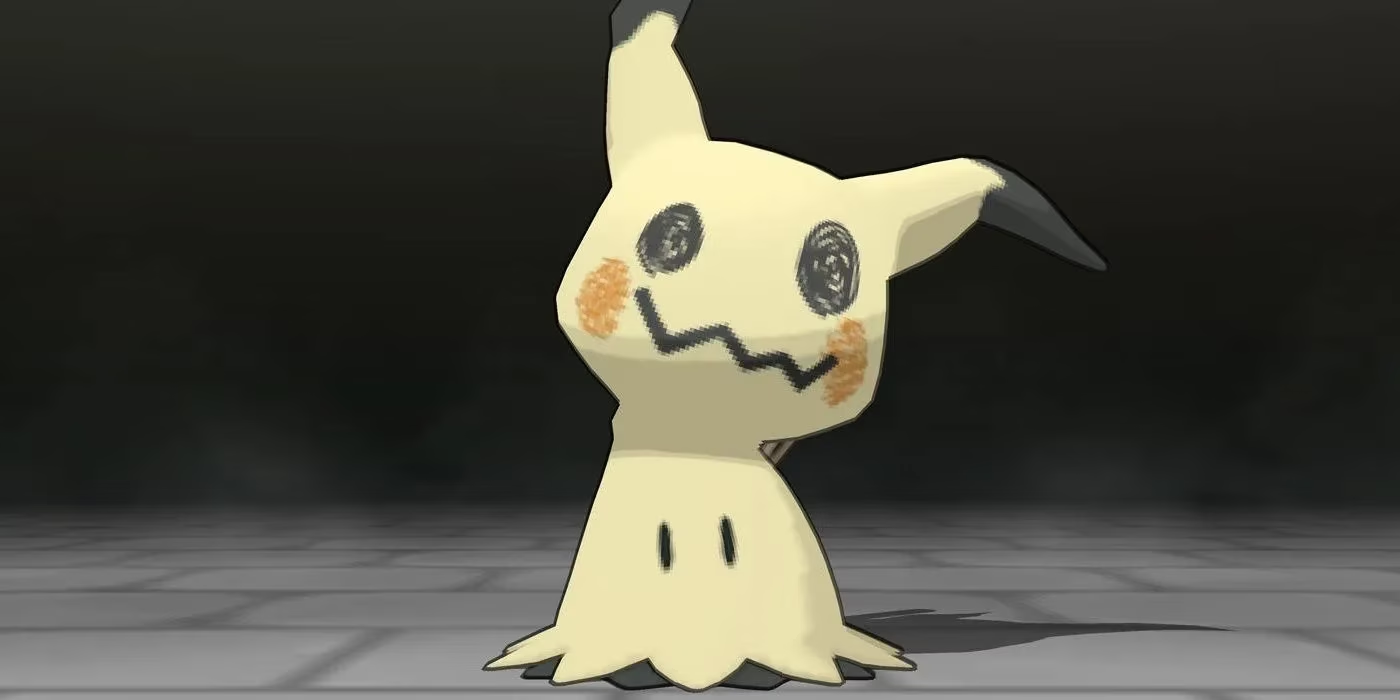
In the world of Pokémon, few creatures evoke such a potent mix of creepiness and pathos as Mimikyu. This Ghost/Fairy-type isn't a malevolent spirit seeking to possess; it's a profoundly lonely being whose true form is so terrifying (or perhaps so sorrowful) that it remains hidden beneath a ragged Pikachu disguise. This costume is a desperate love letter to a world that adores cuteness. Mimikyu simply wants connection, to be accepted like the electric mascot it imitates. Learning its motivation transforms it from a potential foe into one of the most tragic and relatable figures in the entire franchise—a monster whose only desire is to not be seen as one.
Fane: The Scholarly Skeleton
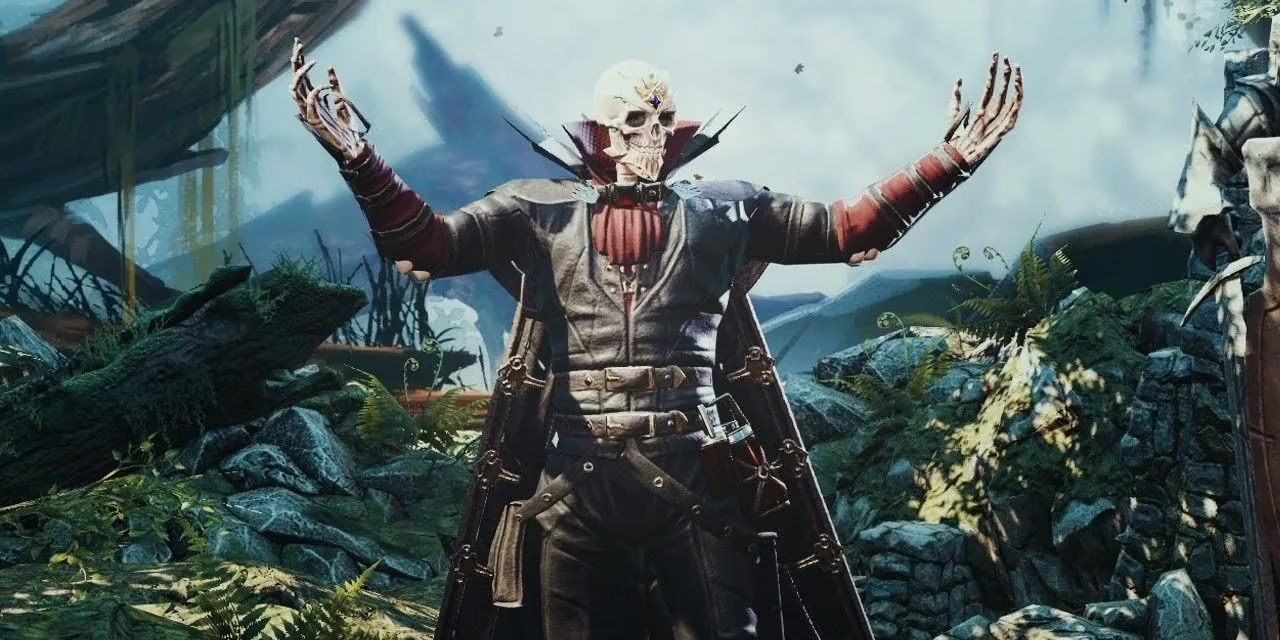
Fane, the Eternal from Divinity: Original Sin 2, is a being whose peaceful nature is born of immense age and profound loss. As one of the primordial race that seeded all magic and life, he witnessed his kin become tyrannical gods and cast the rest into the Void. His survival made him an archaeologist of his own apocalypse. While his brethren, the Voidwoken, return as engines of annihilation, Fane chooses knowledge and preservation. He aids the mortal races not out of a sudden fondness, but from a scholar's duty to correct a cataclysmic error. His calm, analytical demeanor in the face of world-ending threats is as unsettling as it is admirable.
Batreaux: The Yearning Neighbor
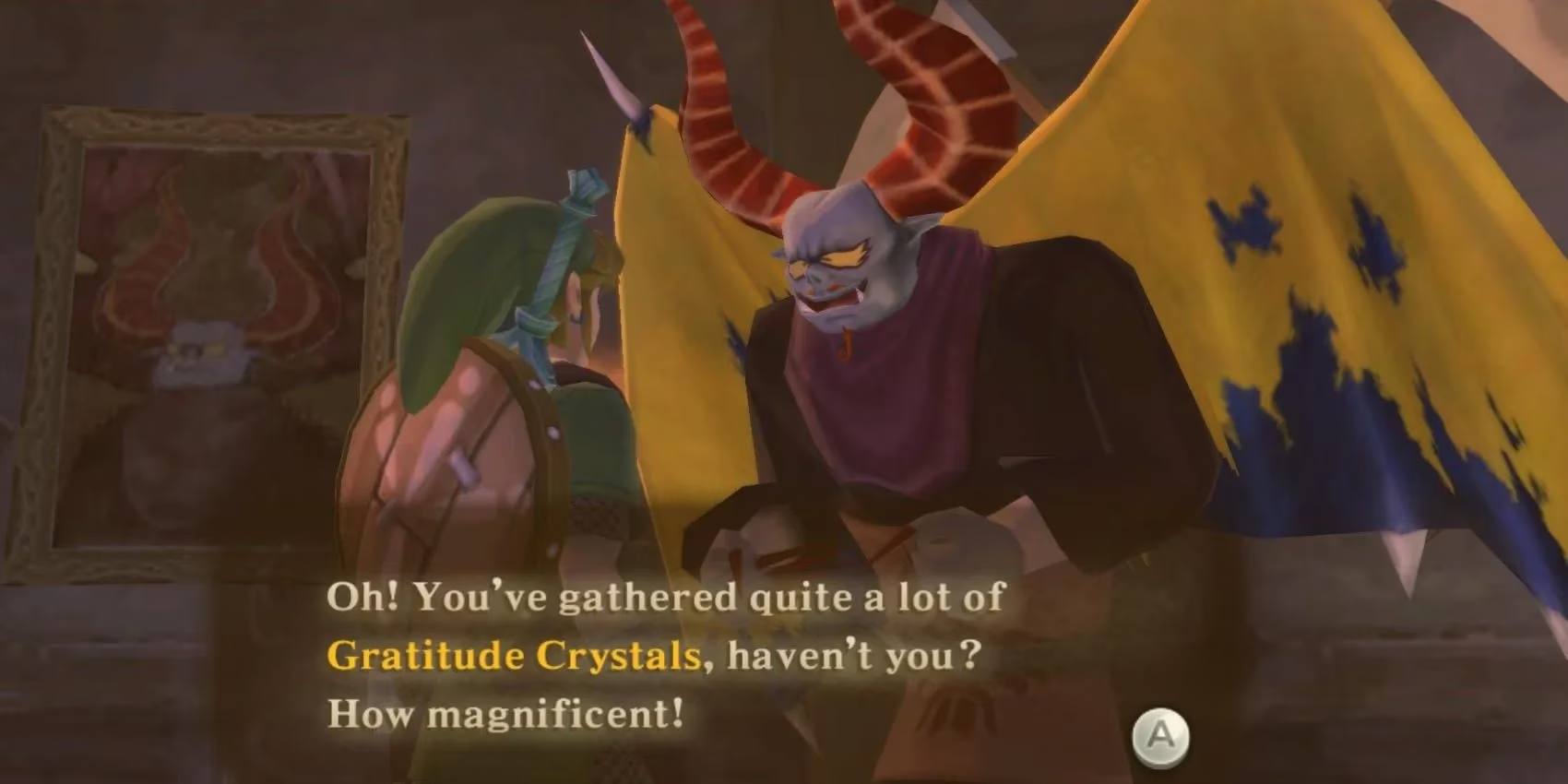
The Legend of Zelda: Skyward Sword presented us with Batreaux, a demon whose greatest sin was being ugly. Unlike his monstrous brethren, Batreaux's heart was as soft as a cloud over Skyloft. His only desire was friendship, a simple request thwarted by his frightening appearance. His quest for Gratitude Crystals to become human is a literal metaphor for seeking acceptance. His successful transformation and integration into Skyloft society is a uniquely Zelda-style happy ending, albeit one that cheekily suggests sometimes changing your outside is easier than changing people's minds.
Jezebel: The Hellish Rebel
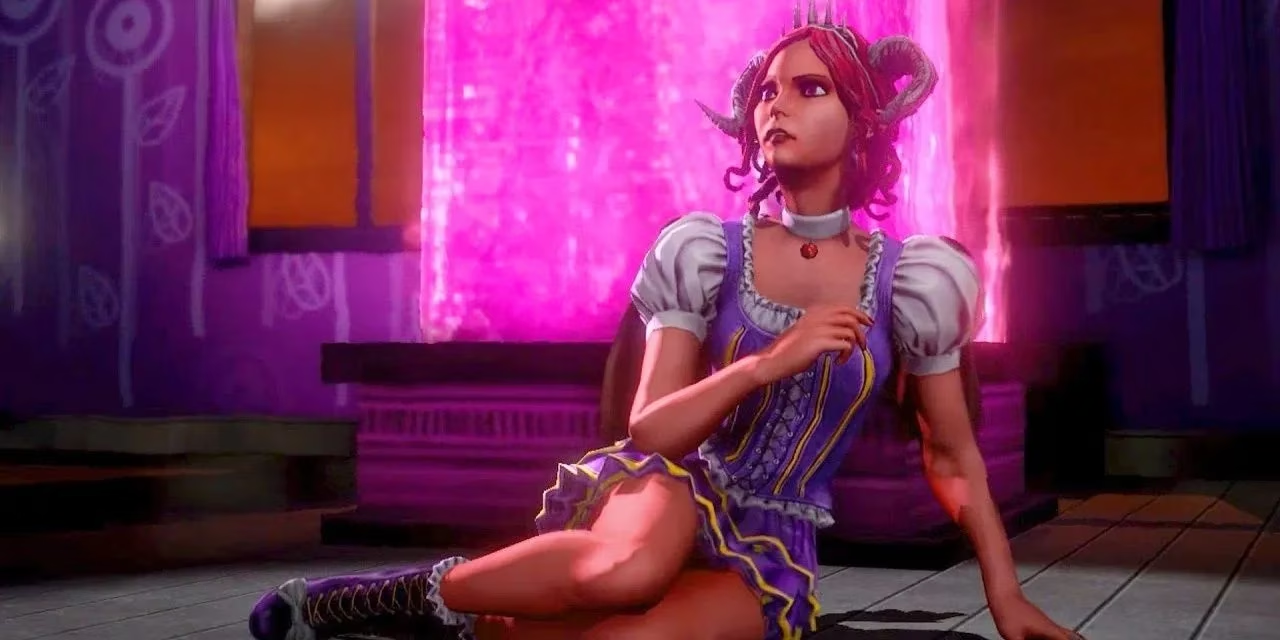
In the gloriously absurd universe of Saints Row, even the daughter of Satan can have daddy issues. Jezebel's rebellion is a classic tale of teenage defiance, albeit on an apocalyptic scale. Rejecting her preordained role as the future Queen of Hell and a forced marriage, she allies with the Saints. While "peaceful" might be a stretch alongside Johnny Gat's brand of chaos, her goals are fundamentally benign: autonomy and the chance to find love on her own terms. She uses the Saints as her getaway car from destiny, trading a throne for the freedom to be herself—a surprisingly relatable dream, horns and all.
Why These Characters Resonate in 2026
As gaming narratives mature, these characters are more relevant than ever. They represent a move beyond binary morality. Their stories explore themes of:
-
Self-Determination vs. Destiny: Fighting against the nature or destiny imposed upon them.
-
Redemption and Atonement: Seeking to correct past wrongs, often of a monumental scale.
-
The Desire for Connection: A fundamental need that transcends species or origin.
They remind us that the line between monster and ally is often drawn by choice, not by birth. In a medium where conflict is king, these peaceful demons offer a more nuanced, and ultimately more human, kind of power.