Co-op Chaos: Why Playing With Friends Can Be a Recipe for Disaster
Co-op games like Borderlands and Elden Ring often inflate enemy health, turning cooperative play into a frustrating challenge that tests friendships more than skills.
Ah, co-op gaming. The glorious pastime of yelling at your best friend because they just dropped the virtual tomato soup for the third time while a giant meatball monster is chasing you. We've all been there, right? The year is 2026, and we're still chasing that perfect, harmonious gaming session with a buddy. The promise is simple: two heads are better than one! But is that really true? Let me tell you, after years of virtual camaraderie, I've learned that sometimes, adding a friend to the mix is like trying to defuse a bomb with a partner who keeps asking, "Which wire is the blue one again?" The games know it, too. They see us coming, a duo full of hope, and they crank up the difficulty just to watch the chaos unfold.
The Great Health Bar Inflation
Let's start with a classic, shall we? The most common trick in the co-op difficulty book: the dreaded enemy health scaling. It's like the game developers are sitting there, sipping coffee, saying, "Oh, you brought a friend? How cute. Let's make this boss a real sponge."
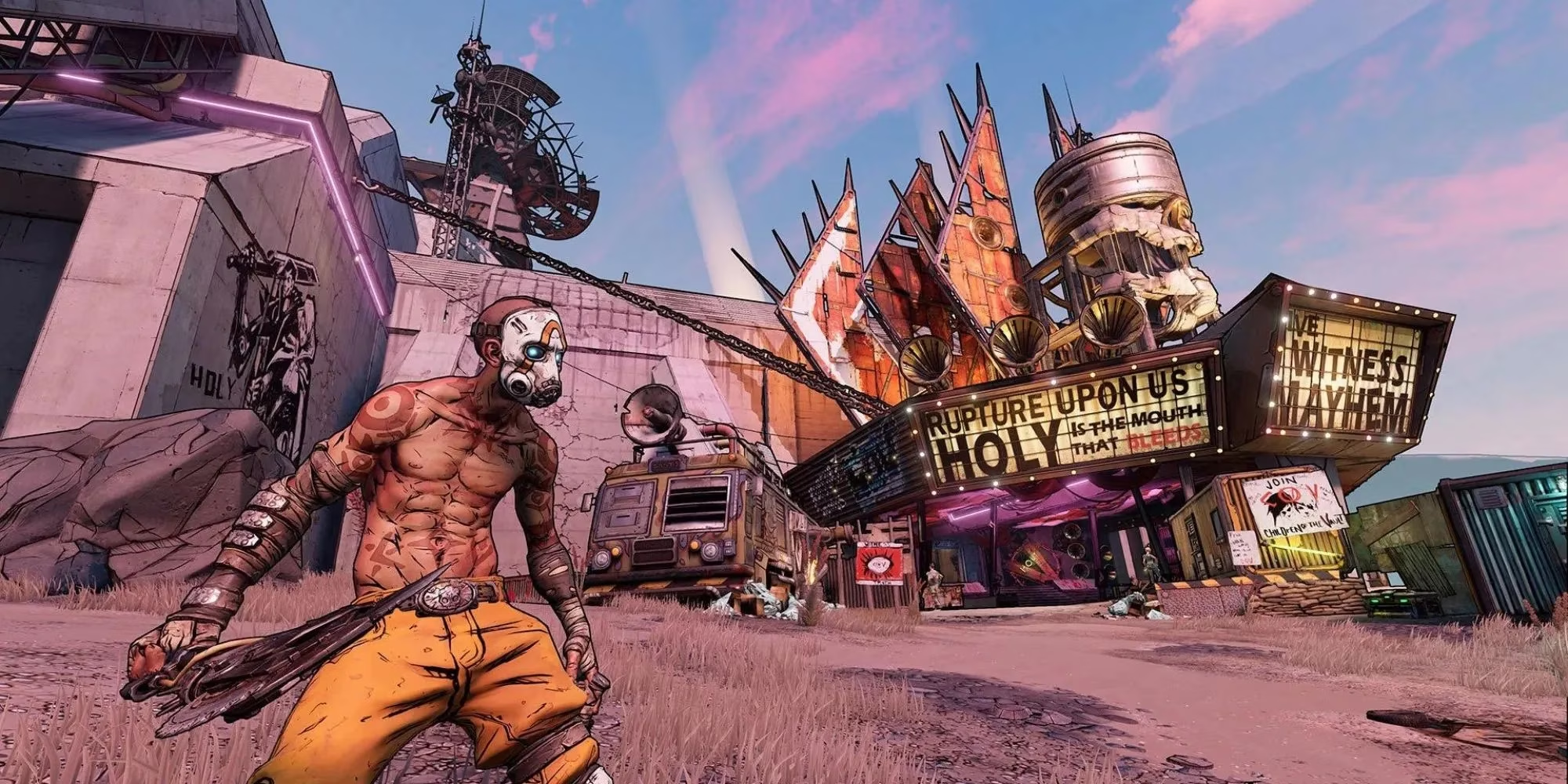
Take Borderlands. You're having a blast, shooting psychos, collecting loot that flies everywhere. It's a party! Until you realize your co-op partner is that one friend who picks up everything but never shares, and now every enemy has become a bullet-sponge nightmare. You're not just fighting bandits; you're fighting their inflated health pools and your friend's hoarding tendencies. Is this still fun, or have we just created a new form of stress?
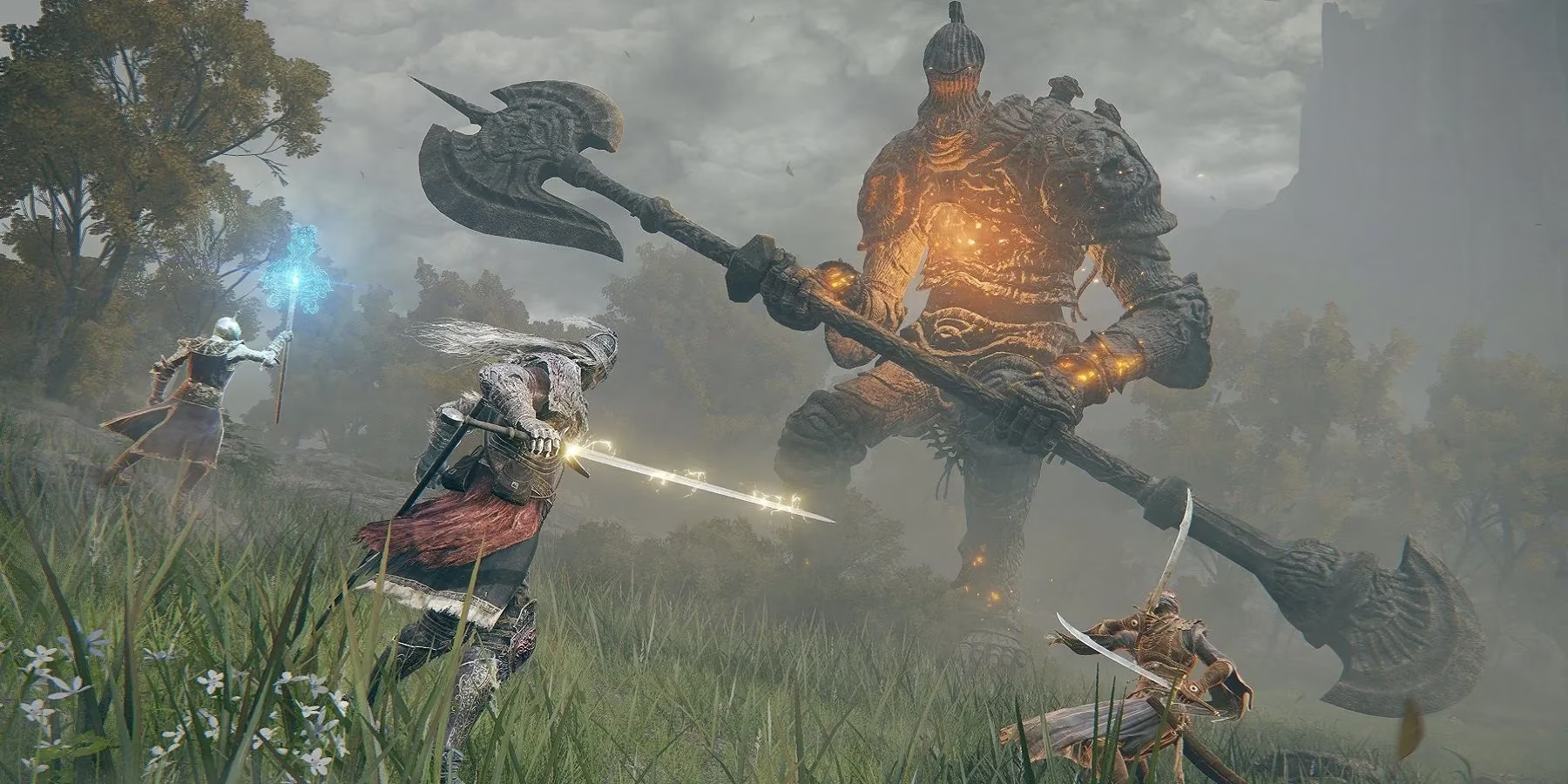
And then we have the kings of punishment, FromSoftware. Dark Souls and its spiritual successors like Elden Ring and Bloodborne. These games are hard solo. You learn the patterns, you die a hundred times, you finally triumph. It's a personal journey of pain and glory. Now, invite a friend. The boss gets a massive health boost. Your friend, full of good intentions, gets immediately pancaked by the first swing, leaving you alone with a supercharged version of your worst nightmare. Was summoning help a good idea, or did you just sign your own death warrant? The line between co-op and co-dependency is very thin here.
Even the noble Halo series does this! Playing the Master Chief Collection in co-op is a blast from the past, but those Grunts and Elites aren't messing around. Their health scales up, and suddenly a mission you could breeze through solo becomes a tense firefight where you're covering for your less-experienced buddy. You become the team's guardian angel, desperately trying to keep everyone alive while the game throws more bullets your way.
The Communication Catastrophe
Health scaling is one thing. But what about games where the challenge isn't just about firepower, but about syncing your brains? This is where true friendships are tested.
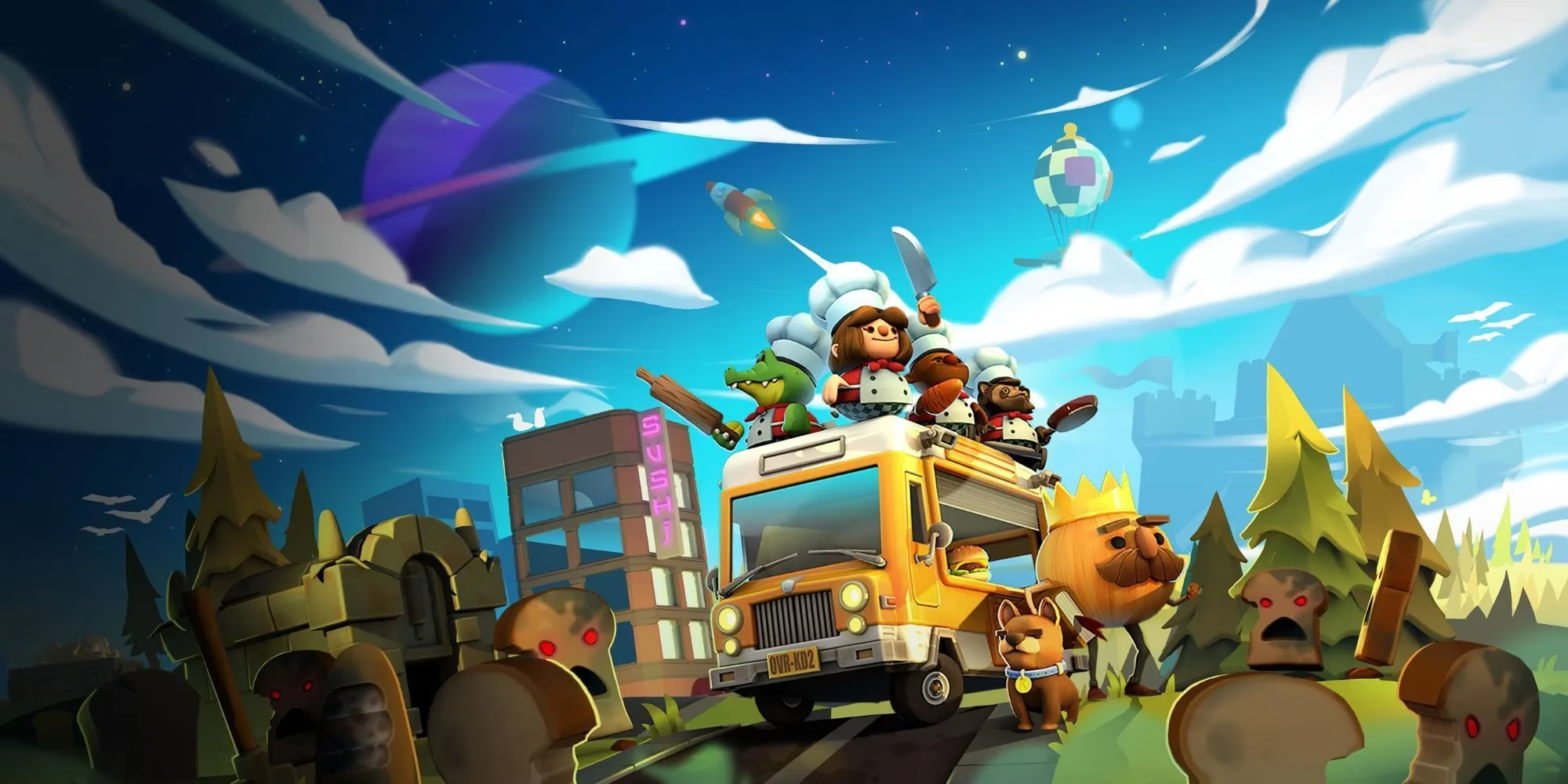
Overcooked 2. The name alone sends shivers down my spine. It looks so innocent! Cute little chefs, whimsical kitchens. It's a trap. This game is a masterclass in controlled chaos. You need to chop onions, cook rice, plate dishes, and wash plates, all while the kitchen floor is splitting apart or your kitchen is on a moving truck. With a partner, you need military-grade coordination. "I NEED LETTUCE!" "THE SOUP IS BURNING!" "WHY ARE YOU JUST STANDING THERE?!" It's less of a game and more of a relationship stress test. Can your friendship survive a ruined three-course meal for a group of hungry yeti?
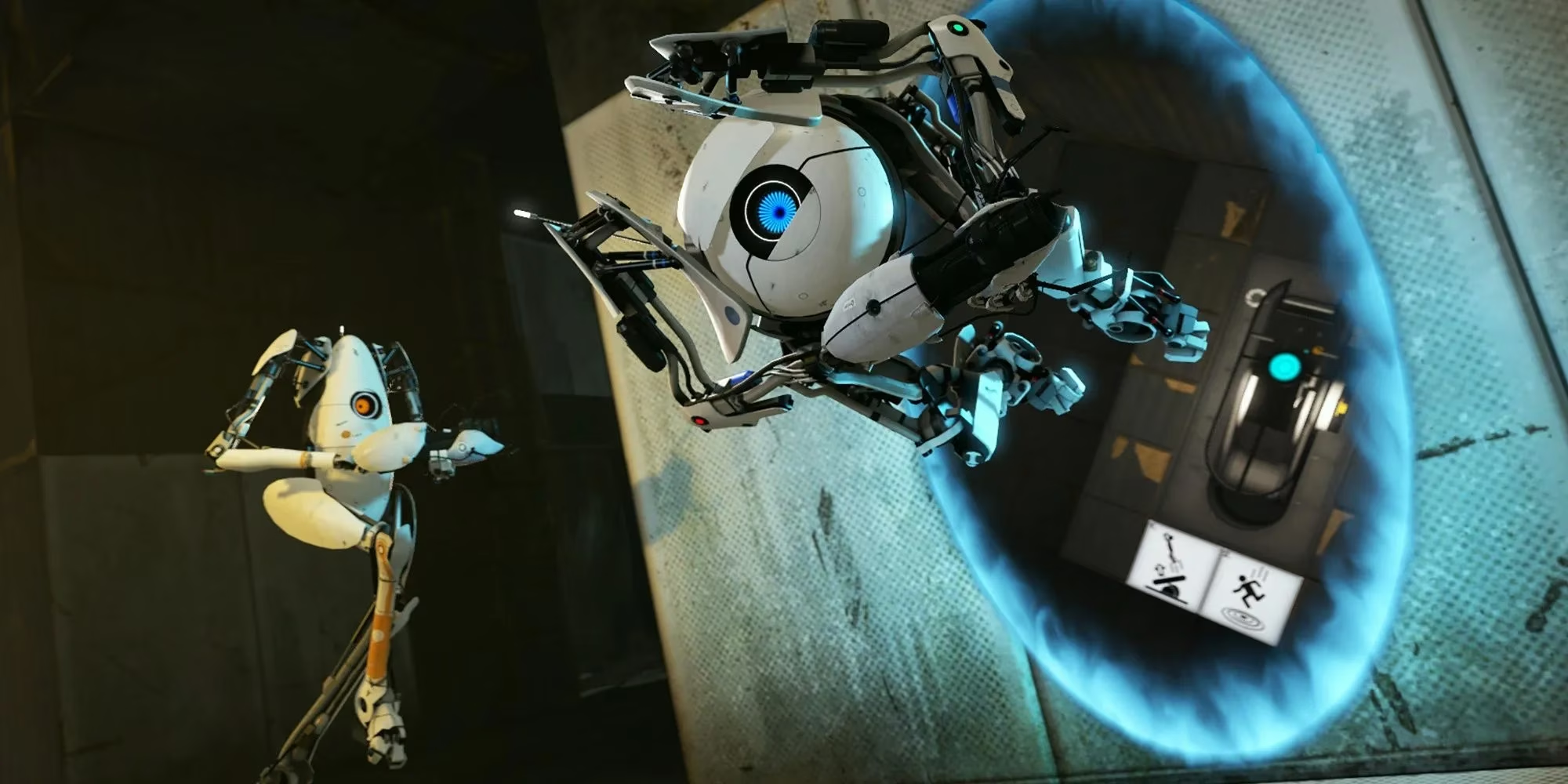
Then there's Portal 2's co-op campaign. It's brilliant, it's funny, it's... infuriating. You have to think with portals, but you also have to think with your partner's brain, which might be on a completely different wavelength. You see the solution: a simple fling across the room. Your partner sees an opportunity to drop a cube on your head for the tenth time. The puzzle isn't the test chamber; the puzzle is your partner's sense of humor versus your desire to actually finish the level. The game is hilarious, but you won't be laughing when you're stuck for an hour because you can't agree on which wall is portal-worthy.
And let's not forget the strategic nightmare of Divinity: Original Sin 2. This CRPG is a masterpiece, deep and complex. In co-op, that complexity is squared. You need to sync your strategies, your skill choices, your turn order in combat. If one of you is a fire mage and the other decides to cover the battlefield in oil, it might be a brilliant combo... or it might be a team wipe because you set your own warrior on fire. Co-op here is either a beautifully orchestrated ballet of death or a slapstick comedy of errors where you're the punchline.
The Monster-Sized Problems
Some games are built around the co-op premise, but that doesn't make them any easier. In fact, it often means the challenge is designed from the ground up to crush multiple players.
Monster Hunter: World is the ultimate example. The core loop is hunting giant beasts with friends. Sounds epic! And it is. Until you realize that Anjanath isn't just bigger and angrier because you have a team; its health pool is massively inflated. If you have a full squad of four seasoned hunters, it's a well-oiled machine of destruction. But if one player is struggling, carting (fainting) repeatedly, that inflated health bar becomes a marathon of attrition. You're not just fighting the monster; you're fighting the clock and your teammate's ability to stay alive. The victory feels incredible, but the path there can be paved with frustration.
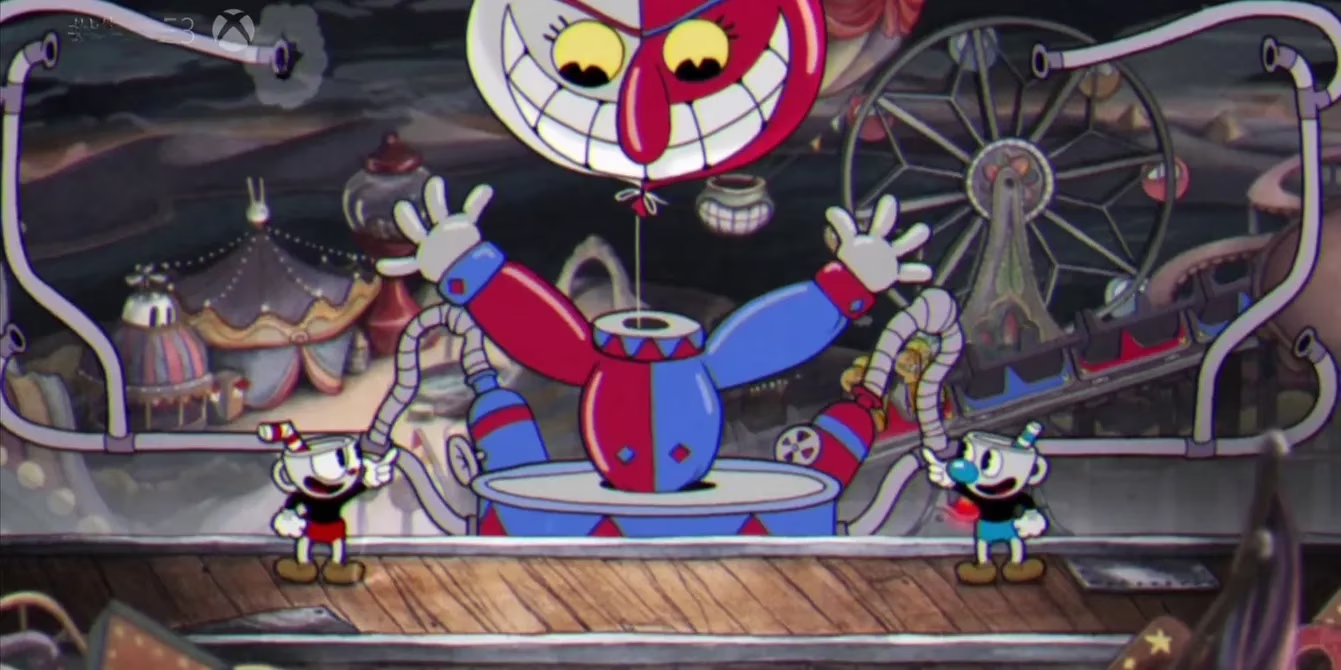
Finally, we have Cuphead. A game so beautifully animated and so brutally difficult it feels like a vintage cartoon designed by a masochist. Playing solo is a test of reflexes and memory. Playing co-op? It's a beautiful, chaotic mess. The screen fills with bullets, your partner is jumping around, and the boss has even MORE health. Sure, you can revive each other, but that often just prolongs the inevitable. It turns a precise duel into a hectic scramble. Is it fun? Absolutely! Is it easier? Not a chance. It's just a different, more colorful kind of hard.
So, Why Do We Do It?
After all this, you might ask: why bother? If co-op makes games harder, why not just play solo?
Well, that's the magic, isn't it? The shared struggle. The inside jokes born from failure. The triumphant shout when you finally beat that boss after two hours of trying. The memories aren't just of winning; they're of the chaotic journey you took with a friend. Beating Bloodborne's Orphan of Kos with a buddy who barely survived is a story you'll tell for years. Surviving the kitchen nightmares of Overcooked strengthens bonds (or breaks them, no judgment).
In 2026, these games remain timeless for a reason. They understand that the real challenge isn't always the game itself—it's teamwork, communication, and patience. They take the simple act of playing with a friend and turn it into an adventure, a comedy, and sometimes a therapy session. So go ahead, call up your friend, boot up one of these classics, and embrace the beautiful, frustrating, hilarious chaos. Just maybe agree on a safe word first.