Divinity: Original Sin 2 in 2026: Still a 100-Hour Rabbit Hole
Divinity: Original Sin 2 remains a 100-hour RPG masterpiece with solo and co-op play, deep character creation, and endless replay value.
Listen, I’ve got a confession: in 2026, I’m still hopelessly hooked on Divinity: Original Sin 2. Yes, Larian Studios went on to make Baldur’s Gate 3 and basically lap the RPG world, but this 2017 gem is still the GOAT for me. It’s the game that made me say, 'just one more fight' at 2 a.m. and then suddenly see the sunrise. And with the iPadOS port from 2021 still kicking around, plus PC, consoles, and Switch versions, there’s no excuse not to dive back into Rivellon. So grab a coffee, maybe a snack, because this is a long haul.
The 100-Hour Time Sink That Somehow Feels Too Short
The first thing you need to know is that Divinity: Original Sin 2 is not a weekend fling. It’s a commitment. If you mainline the story, you’re looking at around 60 hours. Add side quests, and that balloons to 80. But if you’re a completionist—or just a nosy adventurer who can’t leave a single crate unopened—you’re staring down 100 hours. I know, right? That’s a whole season of your life.
| Playstyle | Estimated Time |
|---|---|
| Main story only | 60 hours |
| Main + extra quests | 80 hours |
| Completionist / every nook and cranny | 100 hours |
Honestly, I’ve sunk multiple 100-hour runs into this game, and I regret nothing. Well, maybe that one time I accidentally set my whole party on fire. Live and learn.
Solo? Co-Op? Why Not Both?
You can play Divinity: Original Sin 2 solo, or you can recruit up to three other players for a four-person party. I’ve done both, and each has its own flavor. Solo is a tactical puzzle box where you control every move. Co-op is a chaotic buddy comedy where someone inevitably teleports the wrong person into lava. The game supports online and local multiplayer, so you can share the pain and the glory.
If you’re flying solo, you can still recruit companions. And here’s the kicker: those companions are not cardboard cutouts. They have backstories, opinions, and personal quests that can change the story. Pre-made origin characters like the Red Prince, Sebille, Ifan, Lohse, Beast, and Fane come with their own baggage. That detail makes Rivellon feel lived-in, like every tavern has a rumor worth chasing.
Custom Characters and Undead Shenanigans
Don’t like the pre-made crew? Fine, make your own. The character creator lets you pick race, class, skills, tags, and even your personality. I once made a custom dwarf with a heart of gold and a tendency to punch first. It was glorious. This level of personalization makes the game feel like your story, not just a script you’re following.
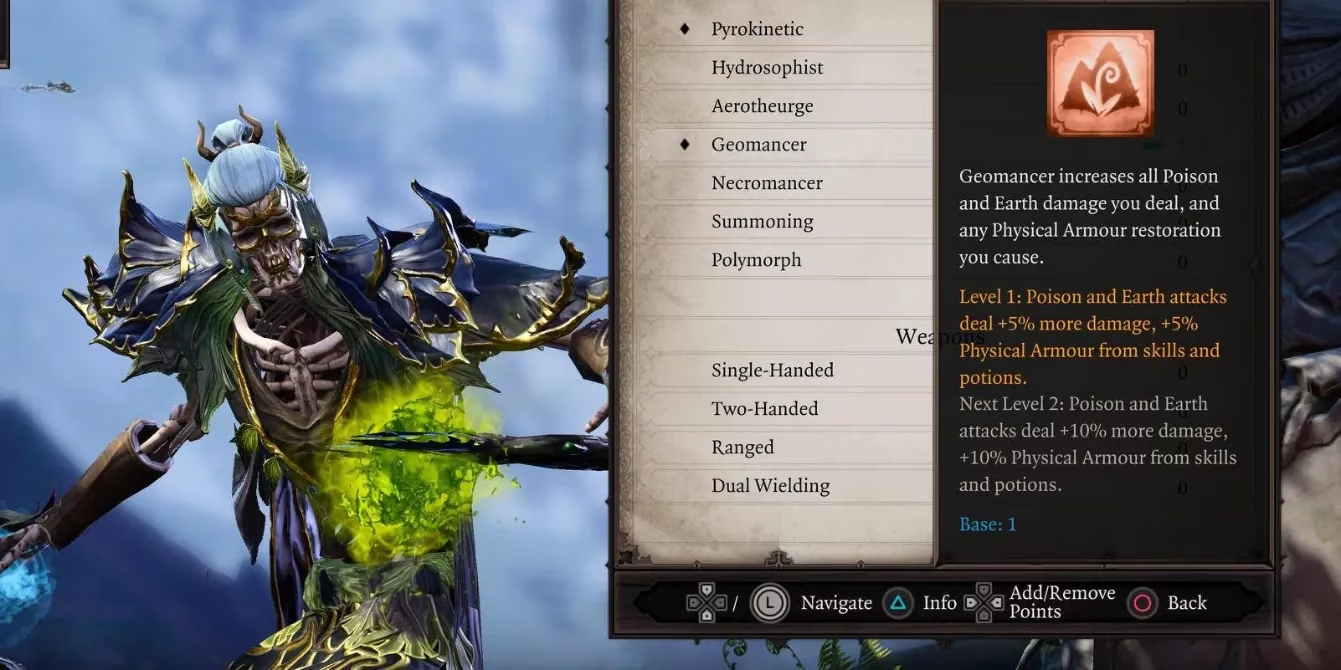
And then there’s the undead option. Unlike the first game, Divinity: Original Sin 2 lets you create undead characters. They look cool, they have unique abilities, and they heal from poison instead of taking damage from it. Just don’t expect every NPC to roll out the red carpet. You’ll need a mask or a good disguise to avoid getting run out of town. It’s a fun twist that adds another layer to party building.
Companions Are Fully Playable (Use Them!)
Here’s a pro tip: your companions aren’t just extra swords. You can control them, and they can interact with the world in ways your main character can’t. Different races, tags, and backgrounds open up new dialogue options and quests. I learned this the hard way after missing a whole side story because I never let my lizard companion do the talking.
So if you want the full experience, switch characters often. It’s not cheating; it’s called being thorough. And in a game this dense, thoroughness is your best friend.
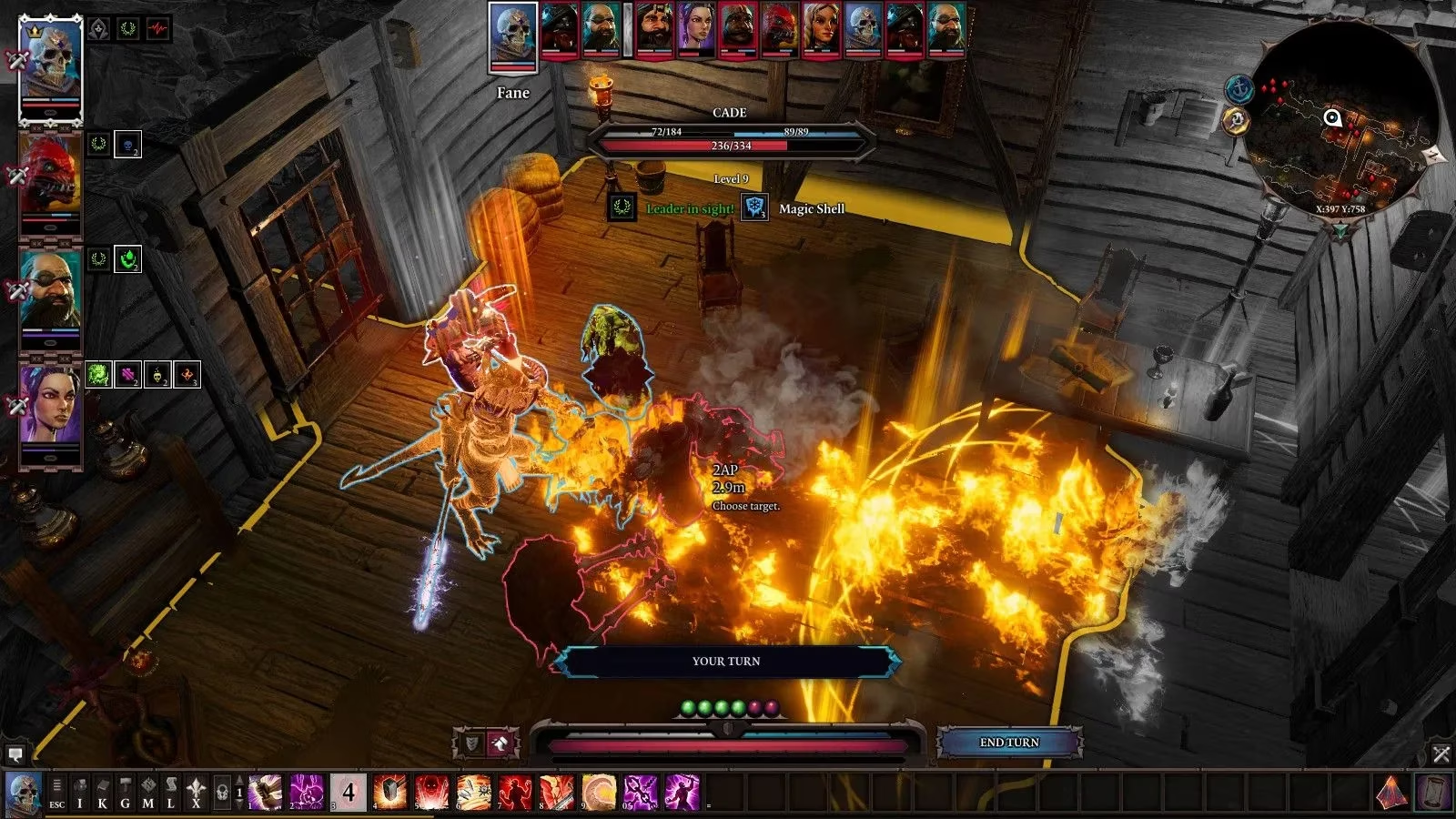
Mods, Skill Crafting, and Multiplayer Mayhem
On PC, the Steam Workshop is a treasure trove. One of my favorite mods increases the maximum number of party companions, because sometimes four bodies just aren’t enough. If you’re getting wrecked in a tough fight, bringing an extra ally or two can turn a wipe into a win. Mods keep the game fresh even in 2026, which is saying something.
The skill crafting system is another rabbit hole. You can combine skill books to create new abilities, or respec your character if your build starts to feel stale. I’ve spent hours tweaking my party like a mad scientist. When the game throws a new challenge at you, being able to adapt is key.
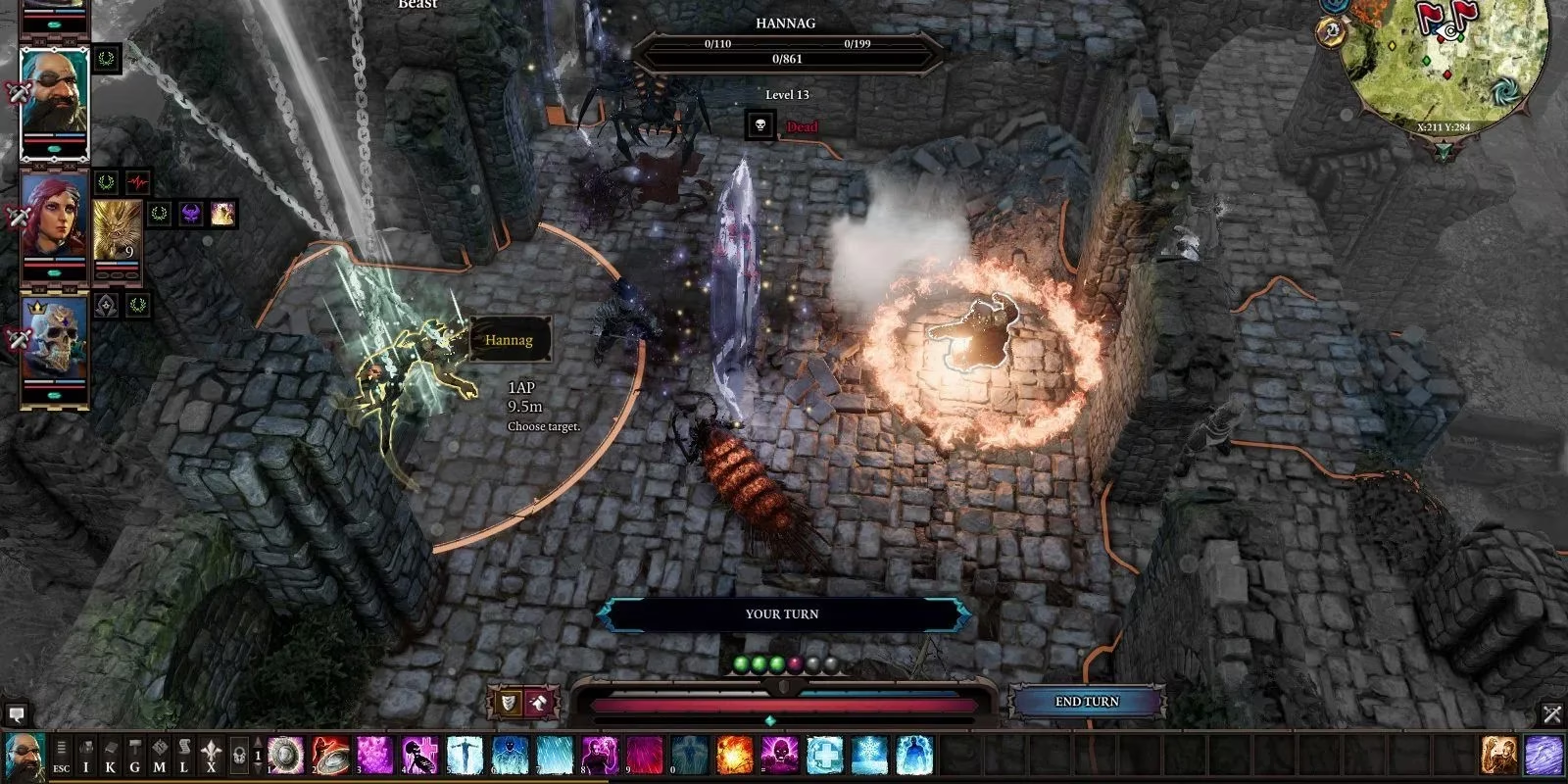
And let’s not forget multiplayer modes. There’s cooperative play, competitive play, and an arena mode where two teams duke it out. It’s a great way to settle arguments with friends. Nothing says friendship like shoving someone into a pit of spikes.
What About Divinity: Fallen Heroes and a Sequel?
Now for the elephant in the room. Larian once planned a direct follow-up called Divinity: Fallen Heroes, but it was put on hold indefinitely back in October 2019. As of 2026, it’s still in limbo, and there’s no official Divinity: Original Sin 3. Larian has been busy with Baldur’s Gate 3 and other mysterious projects, so Divinity: Original Sin 2 remains the last big Divinity game we got.
Does that sting? A little. But it also means the game we have is a masterpiece worth replaying. In 2026, with mods, multiplayer, and that juicy 100-hour campaign, Divinity: Original Sin 2 is still an easy recommendation. So if you’ll excuse me, I’ve got a party to respec and a skeleton to disguise. Rivellon isn’t going to save itself. 🎲⚔️