Echoes of Rivellon: The Unforgettable Voices of Divinity: Original Sin 2
Divinity: Original Sin 2 dialogue and repeated lines create a poetic, immersive atmosphere for Godwoken adventurers.
In the sprawling, magic‑soaked world of Rivellon, every stone and shadow seems to whisper. But for the weary Godwoken, the true companions on the journey are not the swords or the sourcery—they are the voices. Those persistent, delightful, maddening lines that etch themselves into memory like a well‑worn chant. By 2026, many adventurers still hear them in their sleep: the town crier’s eternal proclamation, the cackle of a battle‑thirsty hero, a dwarf’s breathless question about Gareth. Divinity: Original Sin 2 is a masterpiece of narrative, but its most enduring gift is a chorus of repeated dialogue that becomes a kind of poetry, a rhythmic backdrop to every dungeon crawl and driftwood stroll.
In the Sanctuary of Amadia, hope is a fragile ember. And Leya, a dwarf with eyes full of starlight and worry, guards it with the same question, over and over. She asks you to find Gareth, the missing leader, and when at last he limps home, she erupts into a joy so pure it repeats each time you return: “Did you see? Gareth’s back!”
Let’s be honest: if you’ve spent more than an hour in Fort Joy, you’ve heard it a hundred times. Yet there is something strangely comforting in Leya’s unwavering relief. The voice actor pours such earnestness into those four words that even the most jaded player feels a flicker of warmth. The line becomes a landmark, a voice‑anchor that says, You are safe, for now.
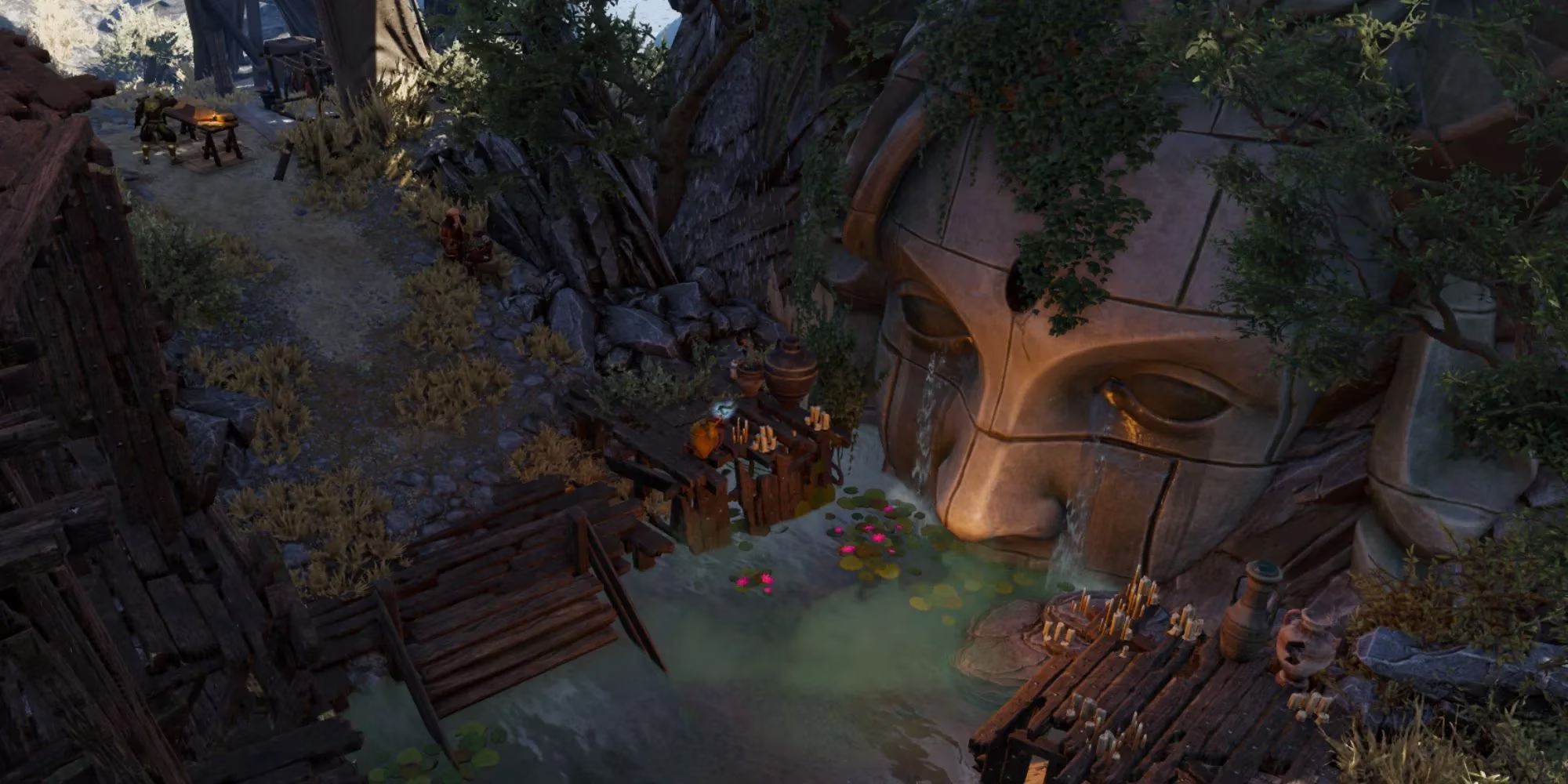
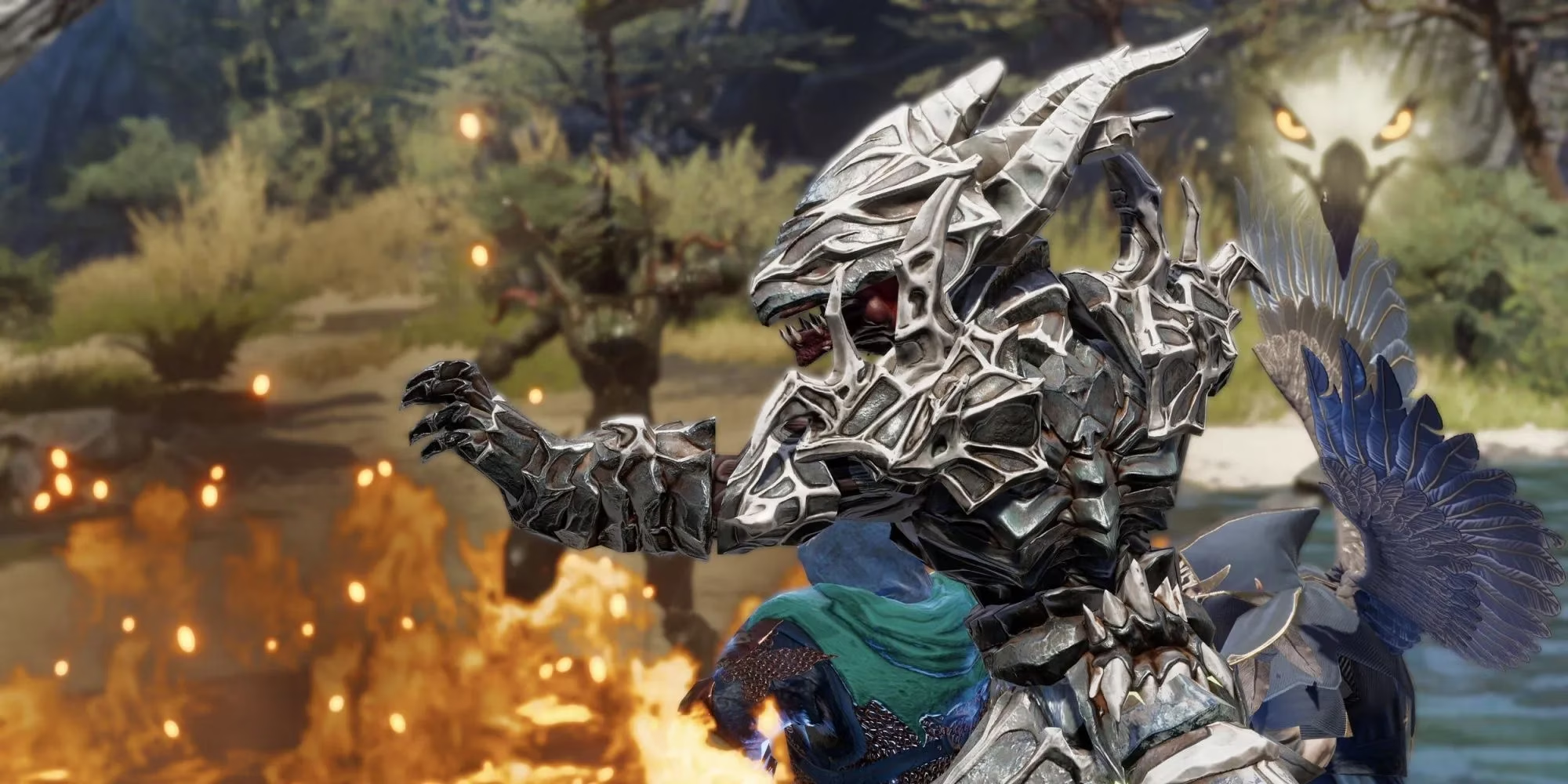
Then there is the combat. Oh, the combat—where the real theatre begins. When a hero lands a rapid flurry of blows, something unhinged escapes their lips. A simple *cackles* floats above their head, a single word that carries all the manic glee of a trickster god. The voice director understood that a whole world of dark delight lives in that asterisked laugh. It’s not a line; it’s a state of mind. And you know the drill: after setting an enemy ablaze and watching them choke on poison clouds, your own character can’t help but chuckle like a child with a secret. The written text is minimal, but the delivery—absent yet utterly present—is a masterstroke.
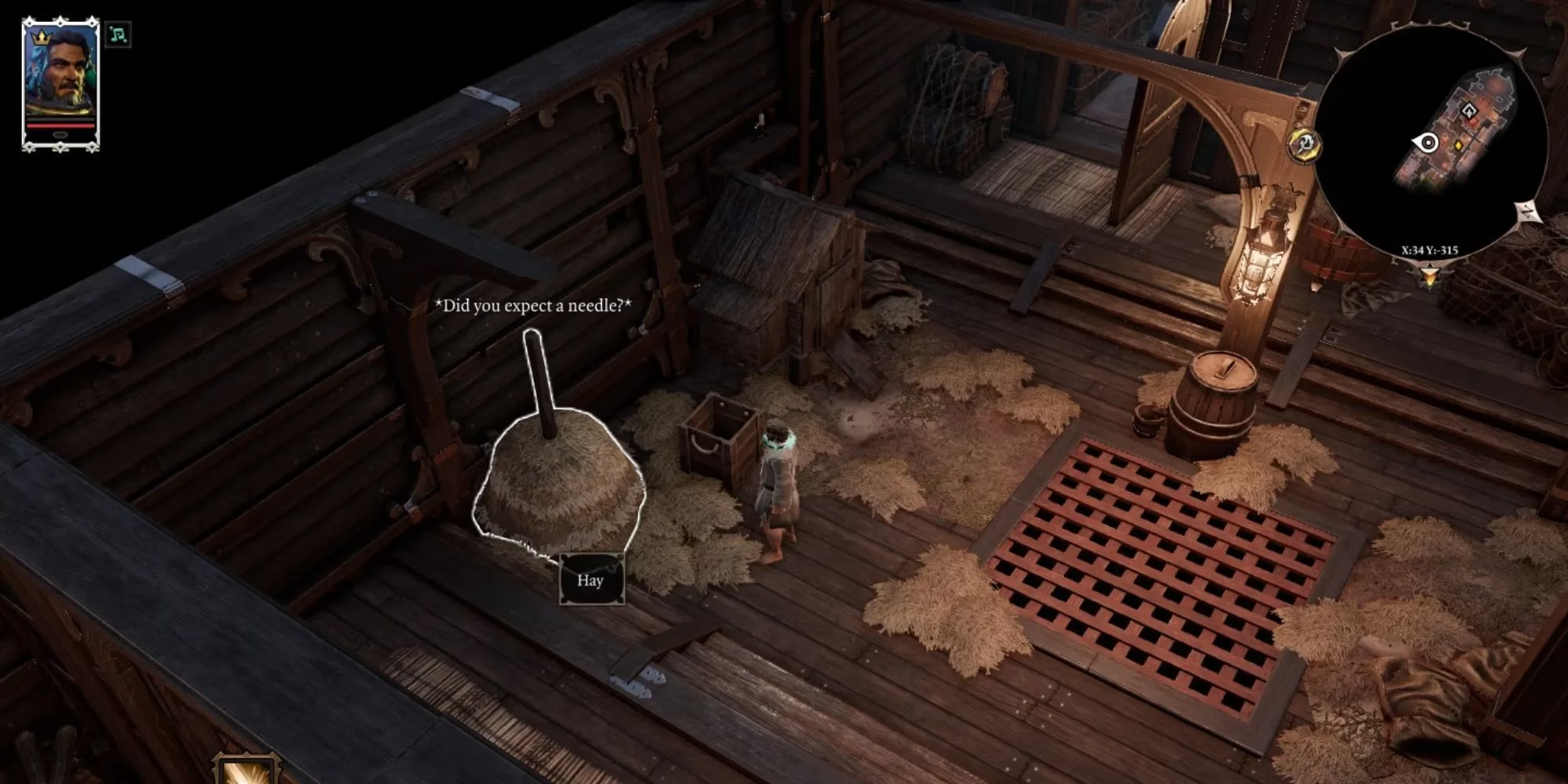
Not all voices are born of flesh. The Narrator is a character in his own right—a being of velvet and mischief, hovering just beyond the screen. He watches you click on a hay bale for the seventh time, and with the patience of an immortal, he asks, “Did you expect a needle?”
That line is a trap. An invitation. It teases the player’s absurd curiosity and rewards it with the warm smirk of a friend who knows you too well. Honestly, it’s a strange comfort: no matter how many times you forget there’s nothing inside the hay, the Narrator remembers his cue perfectly. He turns a throwaway interaction into a tiny, recurring sacrament.
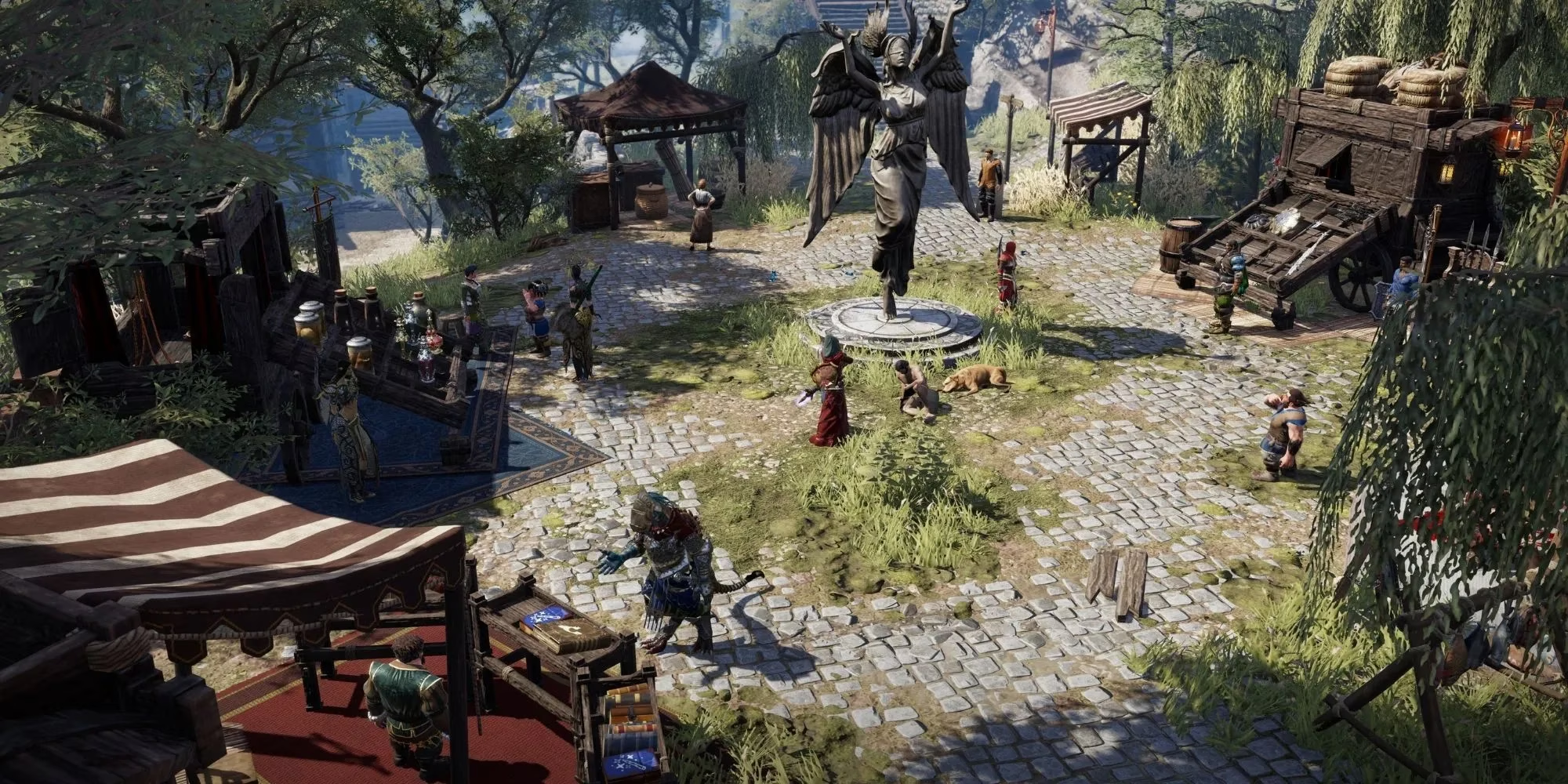
Driftwood, the bustling port of questionable aromas, is the true capital of repeated dialogue. Every day, an unnamed soul ambles toward the fish stall and announces with the gravity of a philosopher: “Smells worse over here than a dozen rotten eggs dropped in a vat of vinegar.” Trader Thun, ever unimpressed, fires back with the weariness of a thousand suns. This exchange is the game’s own heartbeat, a loop that reminds you that life in Driftwood is equal parts stench and stubborn commerce. The townsfolk have perfected the art of talking without speaking, their voices a perpetual hum that feels almost like weather.
But the voices of battle are the ones that truly sink into the bones. When a hero channels a spell or raises a shield, they bellow, “Prepare yourself!” It is the cry of a soul stepping into myth, and it never loses its power—even after the hundredth time. At the right moment, when the tide turns and a fallen ally rises, those two words become a chant of defiance. And when the final blow lands, a colder line often follows: “Greet the Reaper for me.”
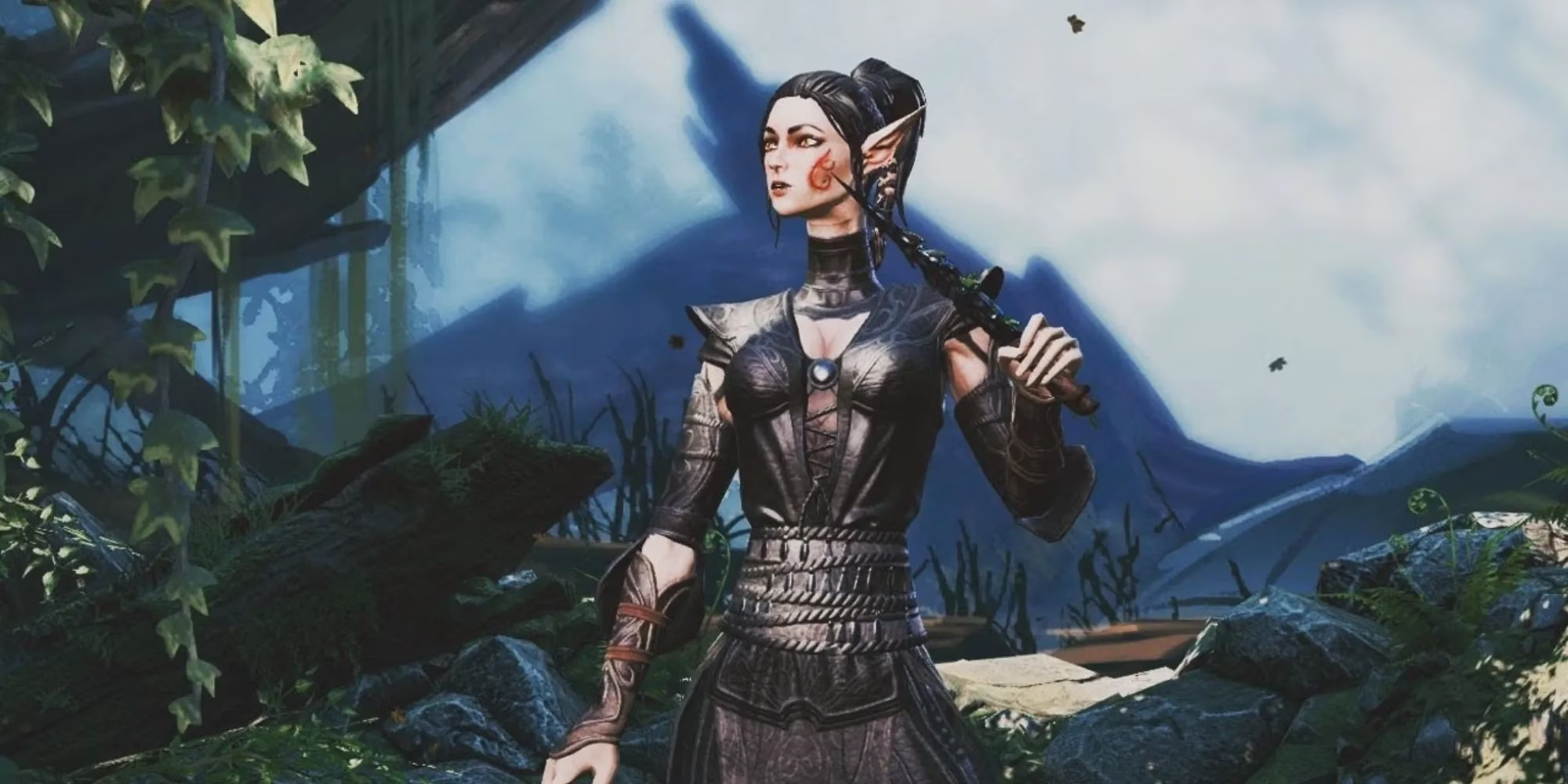
Delivered best by Sebille, whose voice drips with regal vengeance, it is a message sent not only to the slain enemy but to Death itself. The woman is a walking elegy, and she lets the Reaper know that she’s keeping a tally. It’s metal, it’s poetic, and it’s a line you never tire of hearing.
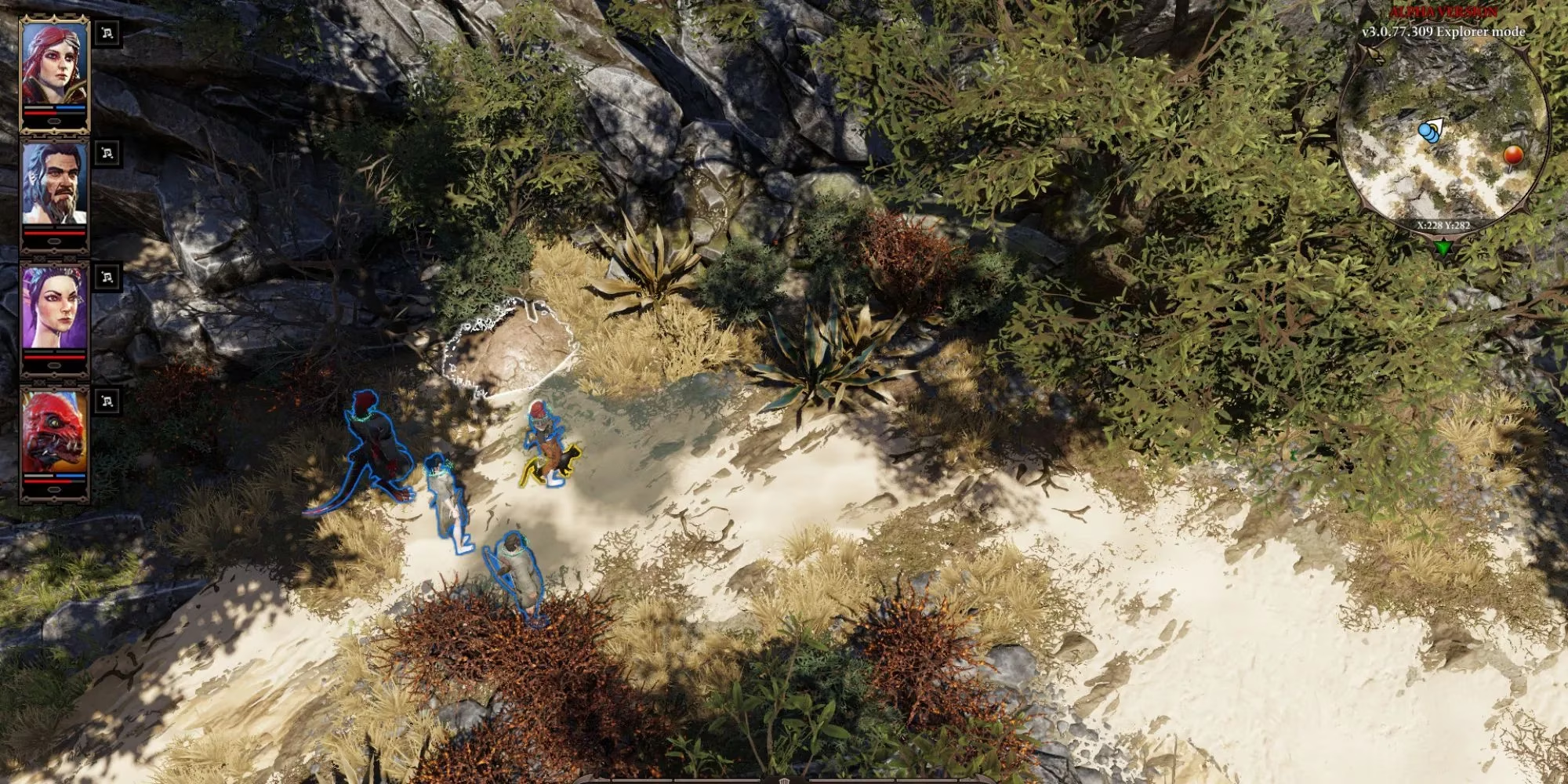
Out in the wilds, the world hides its treasures under humble dirt mounds. For any character who is not a lizard—or who simply lacks a shovel—the discovery becomes a small tragedy. Clicking on the mound yields a forlorn sigh: “I need a shovel.”
It is the anthem of the unprepared. The line is so universal that it has become a meme and a mating call in multiplayer sessions. Friends holler it across the room, waiting for someone with the right tools to scurry over. That little phrase, born of frustration, is a glue that binds parties together in shared, dirt‑dappled yearning.
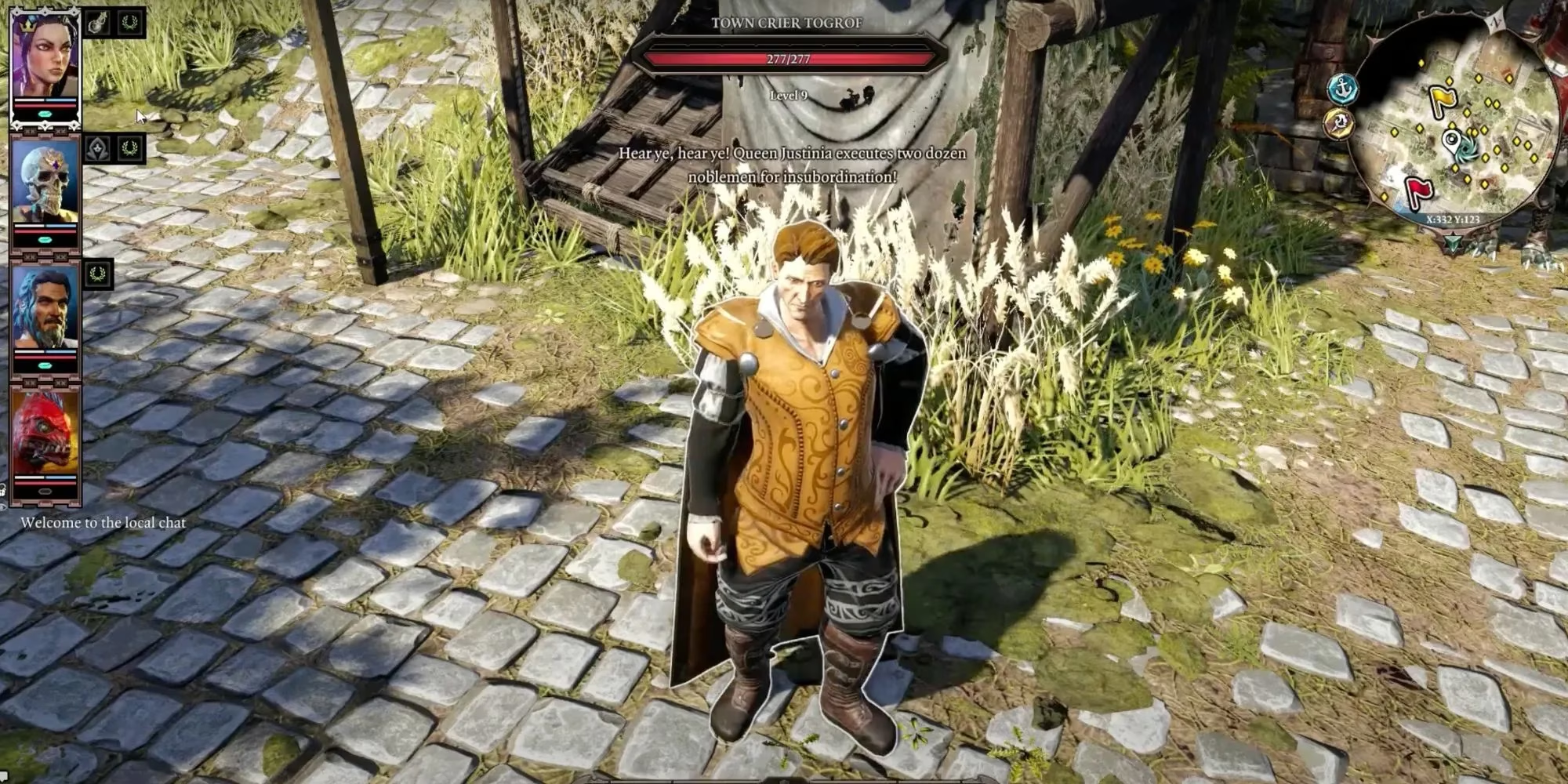
And then there is the Town Crier of Driftwood—a man who has become a legend for all the wrong reasons. From dawn till dusk, he bellows the same three pieces of news with the fervour of a prophet. “Hear ye, hear ye! Queen Justinia executes two dozen noblemen for insubordination!”
The townsfolk have heard it. You have heard it. The very fish in the harbour have heard it. Yet the Crier persists, his voice a stubborn lighthouse in a sea of forgetfulness. He is not merely an NPC; he is a force of nature. Somewhere in the grand design of Rivellon, a god decided that Driftwood needed a mouthpiece that never sleeps, and we adore him for it.
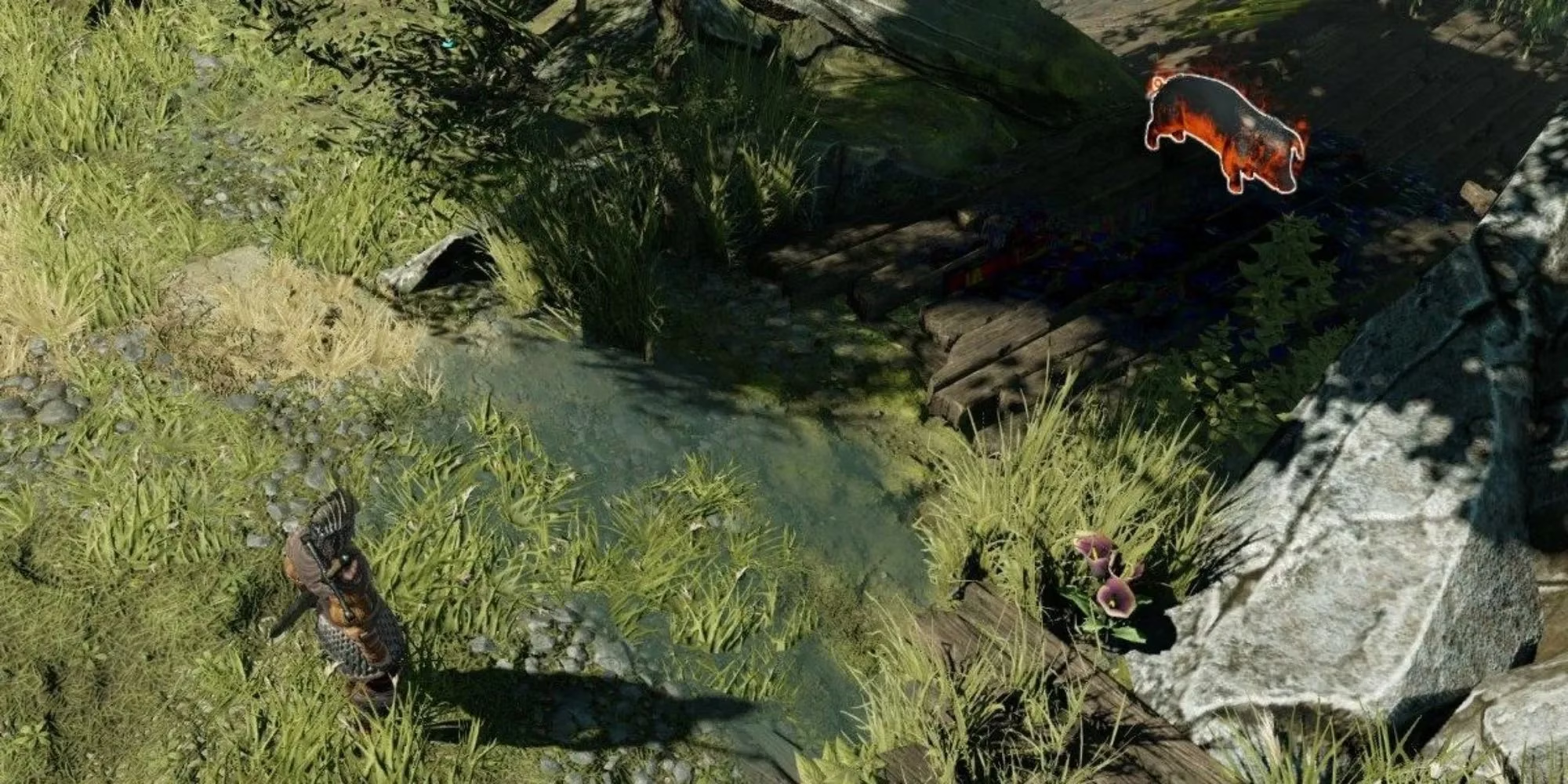
On the outskirts of Fort Joy, a peculiar horror awaits: pigs. Pigs that are perpetually on fire. They do not scream for water; they squeal a single, heartbreaking syllable—“Squee!”—as they dart through the flames.
If you possess the Pet Pal talent, their pleas become coherent, and they beg for the mercy of death. The line “Squee!” is not a joke; it is a lament. It haunts the edges of the island, a sound so raw and repetitive that it etches itself onto the soul. It is a reminder that even in a world of gods and monsters, suffering is often a small, voiceless thing.
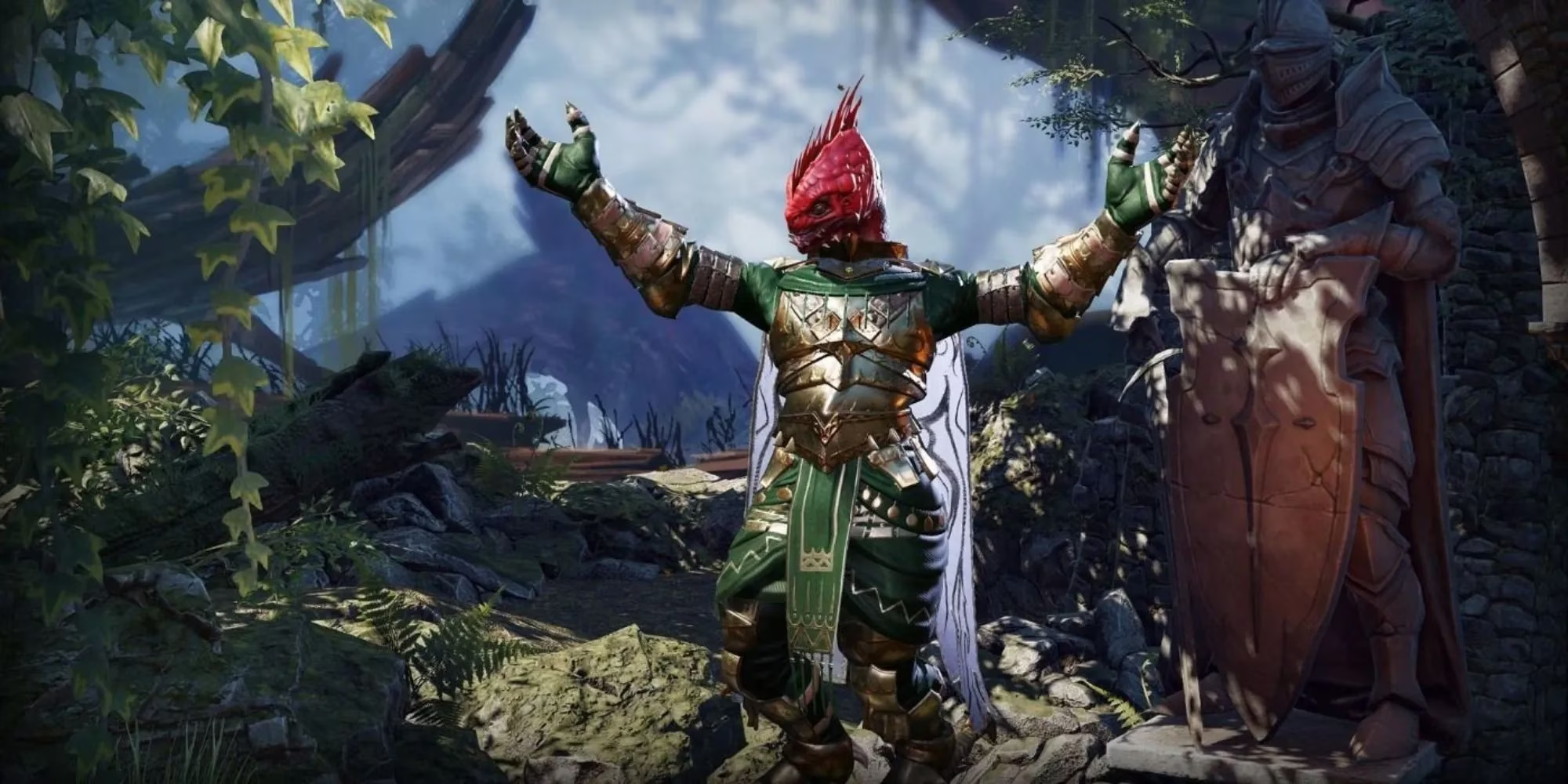
Finally, the ultimate proclamation of self‑importance: “Glory is mine!” Whenever a hero reinforces their armour, they scream this line with a conviction that could shake the heavens. No one delivers it quite like the Red Prince, whose pompous, honeyed tone turns the boast into an art form. It is the quintessential Divinity quote, the one you will hear from the first hour to the epilogue. It never stops; it becomes a mantra. And honestly, it’s part of the charm.
By 2026, Divinity: Original Sin 2 remains a monument of role‑playing, but its truest legacy might be these echoes. They are more than bug or feature—they are the game’s breath. Each repeated line is a thread in a tapestry of shared player experience, a collection of little mantras that turn a solitary adventure into a communal memory. The voices of Rivellon still ring in the ears of those who walked its burning shores, and that, perhaps, is the highest magic of all.