Forging a Frontline Colossus in Divinity: Original Sin 2
This Divinity: Original Sin 2 tank build uses Warfare control and strict AP discipline to hold the line without Glass Cannon.
By 2026, Divinity: Original Sin 2 still rewards players who treat combat as a puzzle rather than a slugfest. Rowan, a patient tactician who had restarted the game more times than he cared to admit, learned that lesson the hard way. His first tank was a walking shield, a character who absorbed hits and then watched helplessly while enemies slipped past to gut his spellcasters. Determined to fix that, Rowan rebuilt the frontline around a simple idea: a tank should not merely survive; it should control space, punish movement, and make every action point count. The result was a character who felt less like a damage sponge and more like a moving fortress.
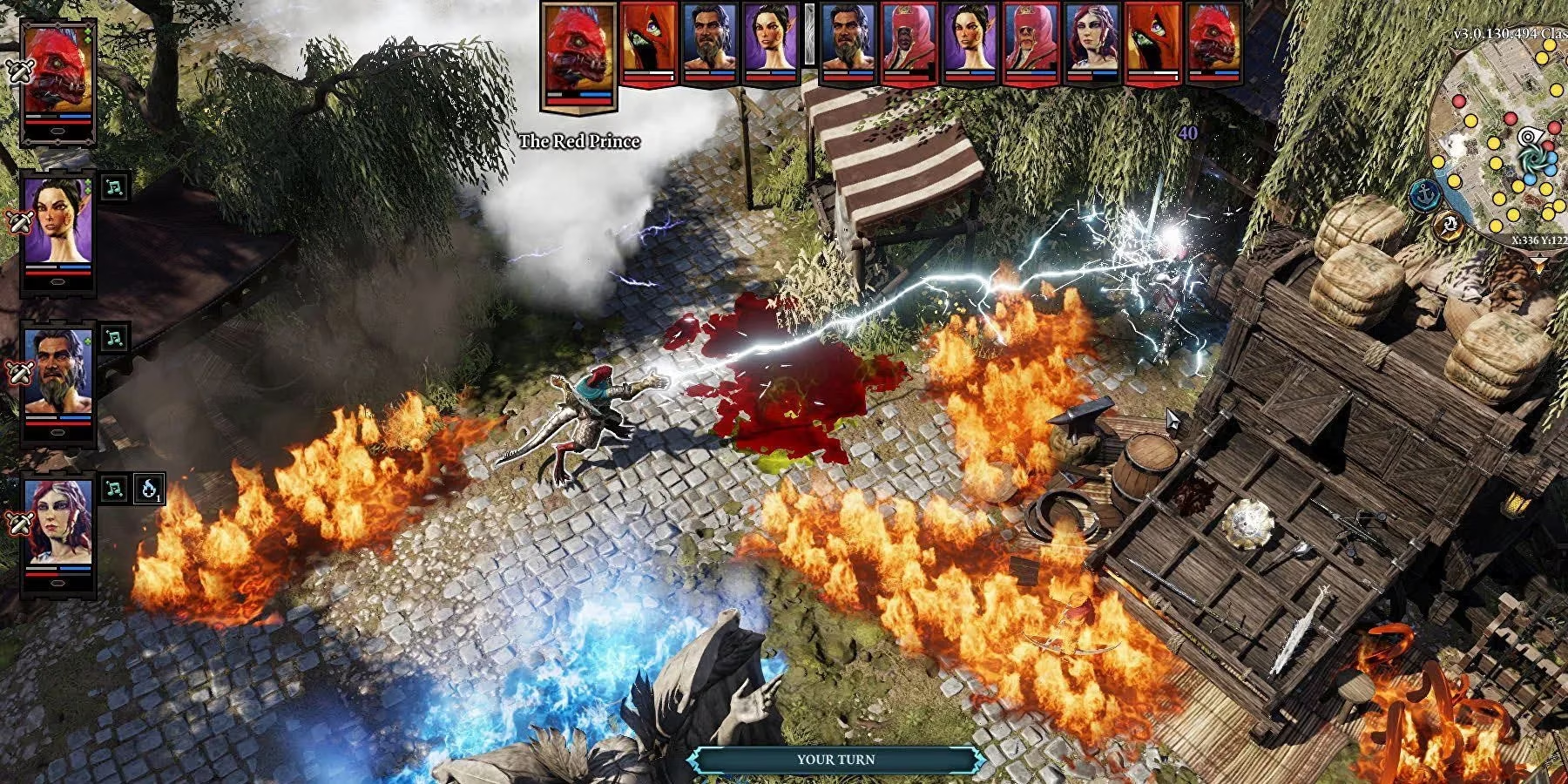
Warfare Is the Backbone
Rowan started with the Warfare skill school because it matched the tank's natural role: short-range pressure, mobility, and crowd control. Skills such as Battering Ram, Crippling Blow, and Battle Stomp gave him ways to crash into enemies, stun them, and break formations. Later, he favored Bouncing Shield and Blitz Attack for their faster cooldowns, especially when every point of AP mattered. The lesson was blunt: a tank who spends a whole turn setting up a slow, cooldown-heavy attack is often a tank who is not protecting anyone. Rowan learned to choose skills that kept him active every round.
He did not ignore spellcasting entirely. A small dip into Geomancer gave him protective tools and oil surfaces that could boost a party's Pyrokinetic damage. A touch of Pyrokinetic power also let him contribute mid-range bursts when enemies clustered. The tank remained a frontline fighter first, but these splashes turned dead turns into useful ones.
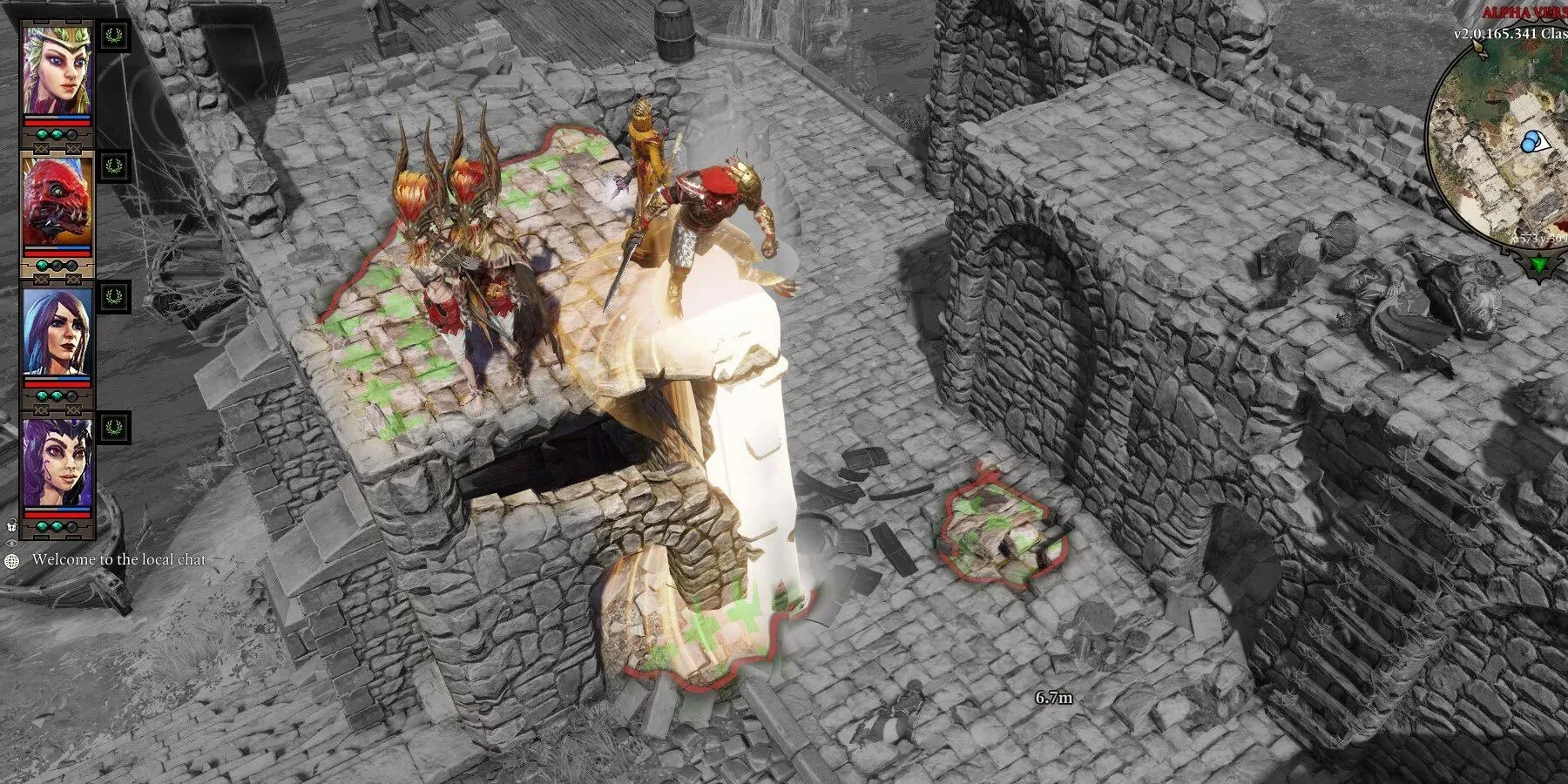
AP Discipline and the Glass Cannon Trap
The biggest trap Rowan encountered was the Glass Cannon talent. On paper, maximum AP every turn looked perfect for a character who wanted to act constantly. In practice, losing status resistances from physical and magical armour made the tank far too fragile for the role. A defender who can be stunned or frozen at the wrong moment is not defending anyone. Rowan skipped Glass Cannon and instead treated AP as a budget. He avoided wasting points on cooldown-heavy skills and saved movement for the moments that mattered.
Positioning became its own skill. Tanks rarely have the highest AP in the party, and movement can cost as much as 1 AP for a few metres. Rowan scouted battlefields before committing, then used mobility skills such as Phoenix Dive to reach the fight without burning his entire turn. His rule was simple: stand deep enough to threaten enemies, but close enough to an entrance or exit that he could fall back and cover allies.
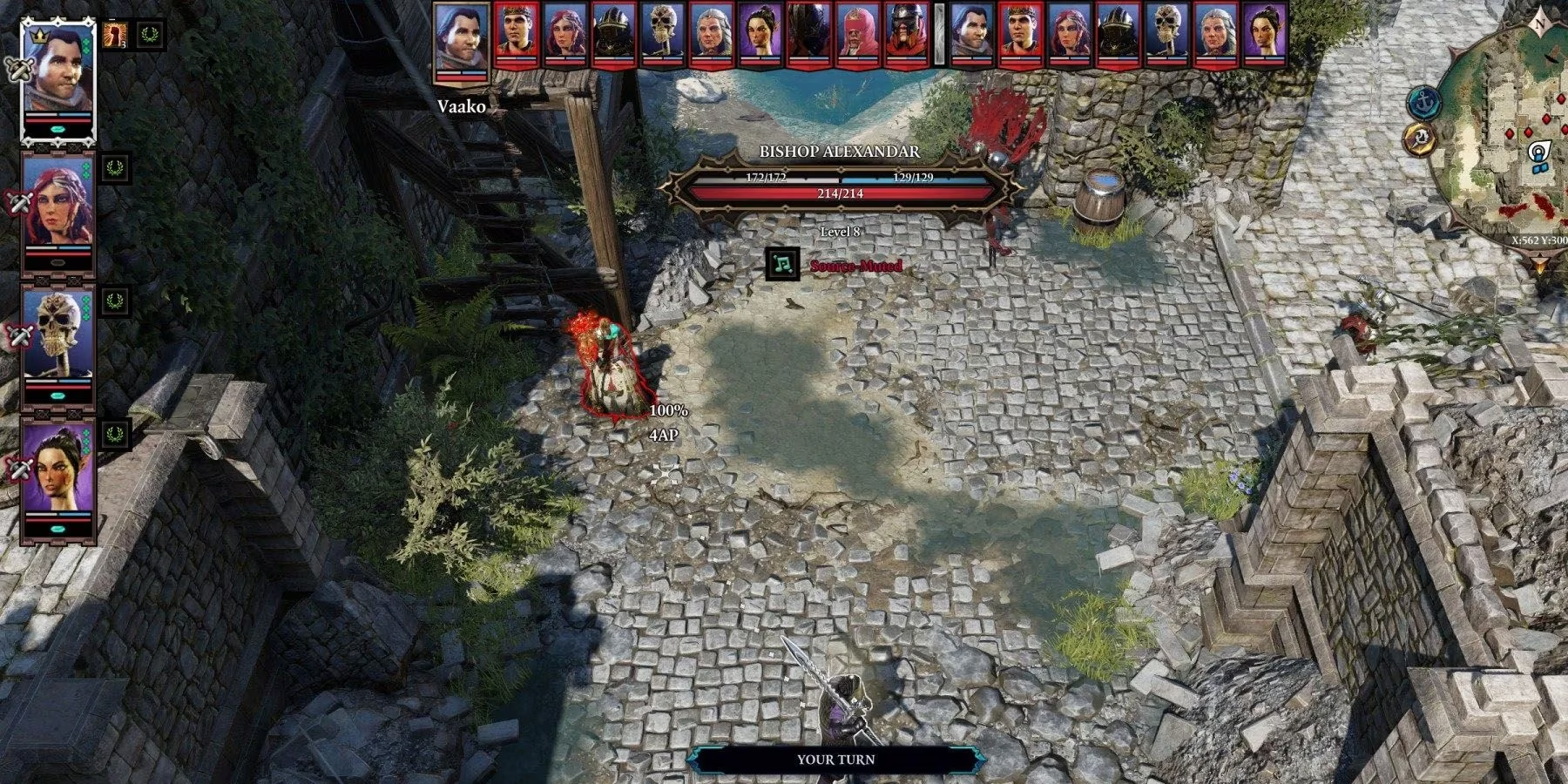
Hold the Line, Not Just the Aggro
In one memorable fight, Rowan's party was caught in a tight corridor. Instead of charging blindly, he planted his tank in the narrow passage and let the enemies come to him. That single decision changed the battle. Blocking pathways kept foes away from the backline, while Opportunity Attacks punished anyone who tried to slip past. His rogues found angles for backstabs, and his spellcasters unleashed bursts from safety. The tank was not the highest damage dealer, but he was the reason the damage dealers survived.
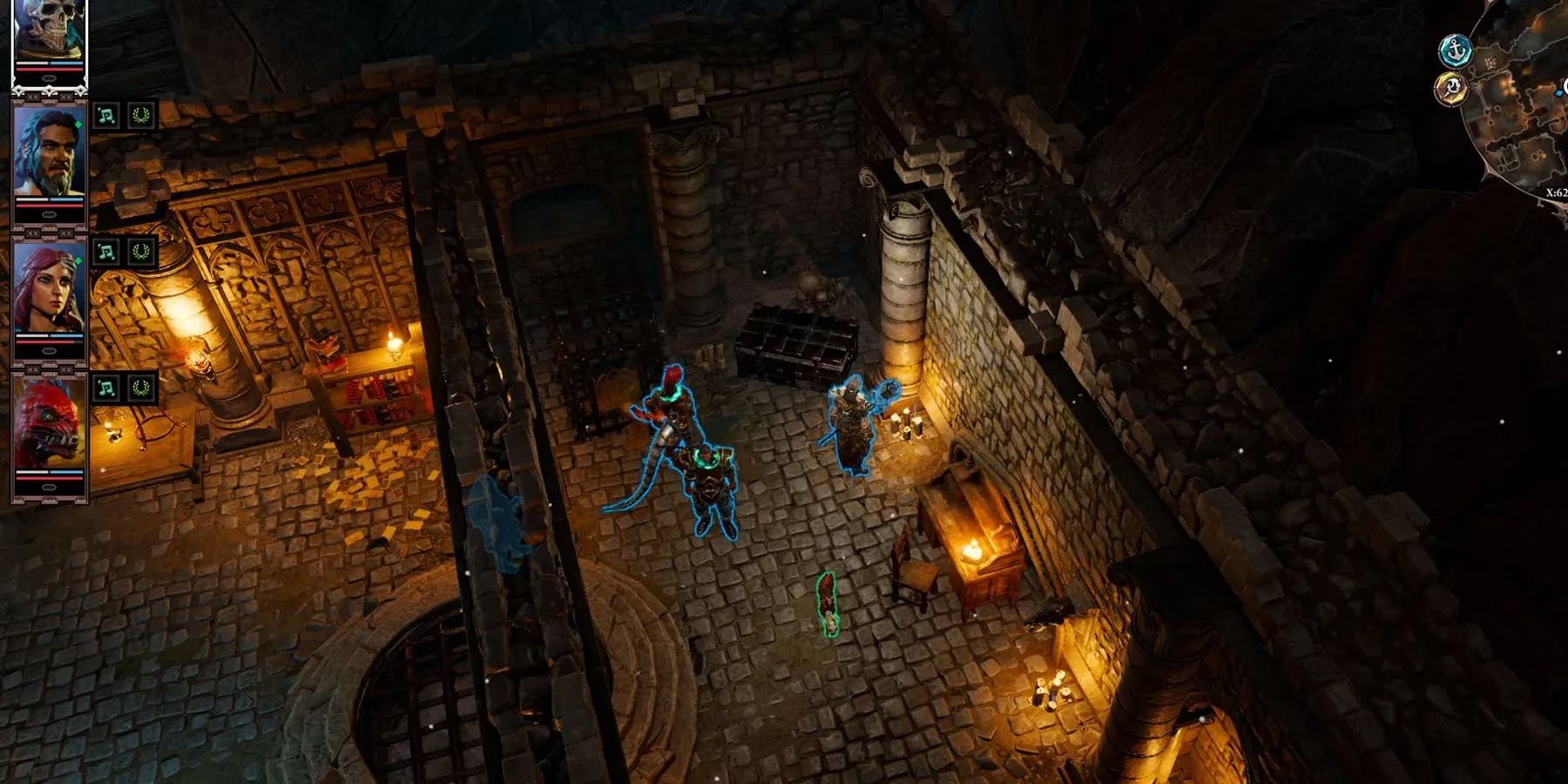
Knight or Fighter?
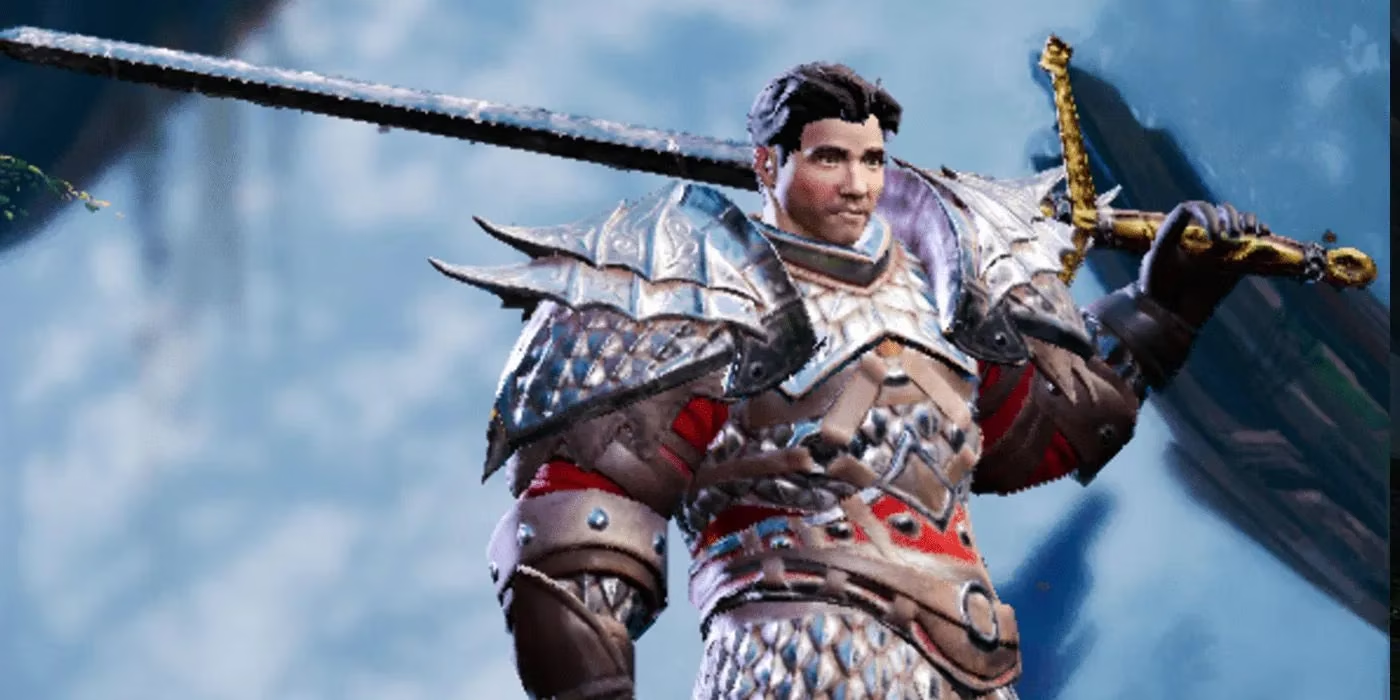
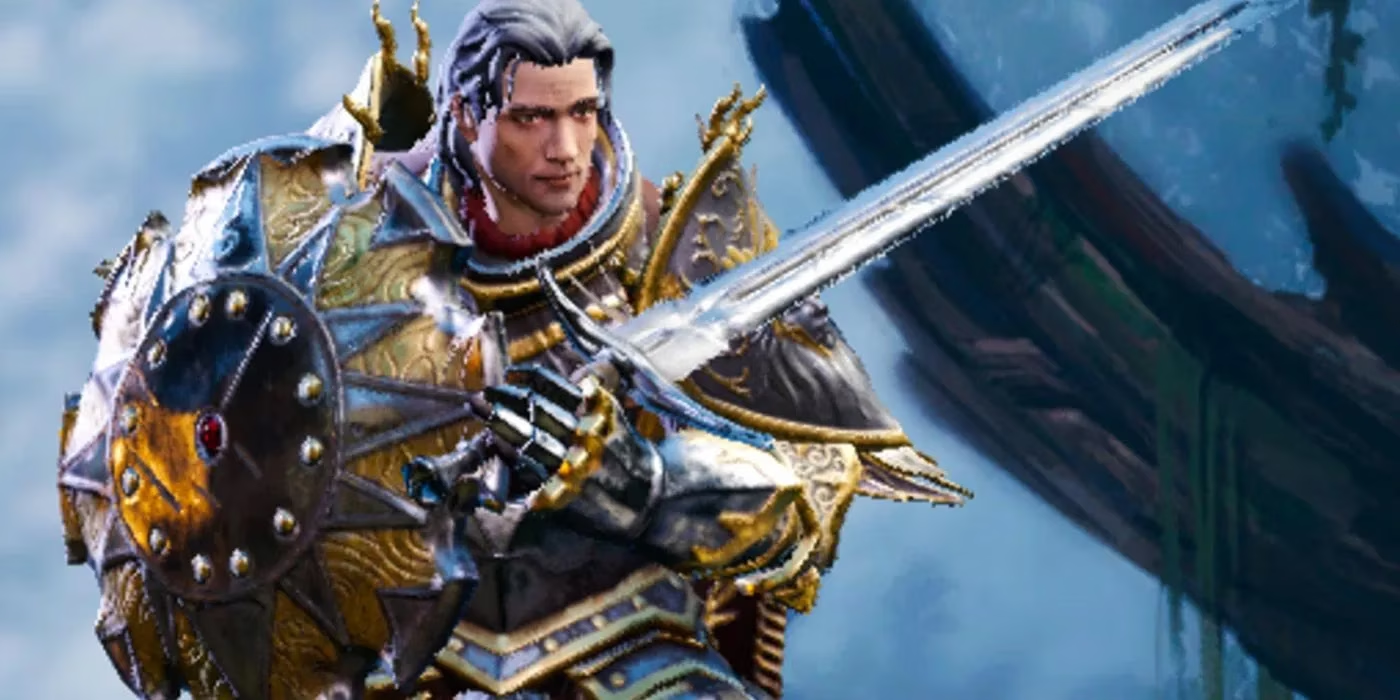
Rowan tested both common starting templates. The Knight felt aggressive and immediate, while the Fighter felt prepared and defensive. Both come with the Opportunist talent, which lets the character perform Attacks of Opportunity against enemies who try to leave melee range. That talent is a quiet but powerful tool for a tank who wants to lock enemies in place.
| Starting Template | Signature Skills | Best For |
|---|---|---|
| Knight | Battering Ram, Crippling Blow, Battle Stomp | Aggressive short-to-mid-range pressure |
| Fighter | Battle Stomp, Bouncing Shield, Fortify | Defensive setup and safer engagements |
Attributes and Combat Ability
For attributes, Rowan invested heavily in Strength and Constitution. Constitution increased Vitality by 7 percent per point and strengthened shields, while Strength added 5 percent damage to swords, maces, and axes and opened the door to heavy armour. That combination let the tank absorb punishment without becoming a harmless wall. For combat ability, he chose Single-Handed over Two-Handed. Single-Handed adds 5 percent damage and accuracy per point, which made his attacks reliable even when surrounded. Two-Handed offered a bigger critical punch, but Rowan preferred consistency over risky spikes.
Defence Abilities and Shields Up
Defence abilities gave Rowan's tank a second layer of control. Leadership helped nearby allies with 2 percent Dodging and 3 percent added Resistances per point. Perseverance restored 5 percent armour after recovering from Frozen, Stunned, Petrified, or Knocked Down. Retribution reflected 5 percent damage back at attackers, punishing enemies for focusing the tank. Finally, Shields Up became his emergency button. For 2 AP, it restored the Physical and Magical Armour of the caster's shield, buying the party a crucial turn to heal or reposition.
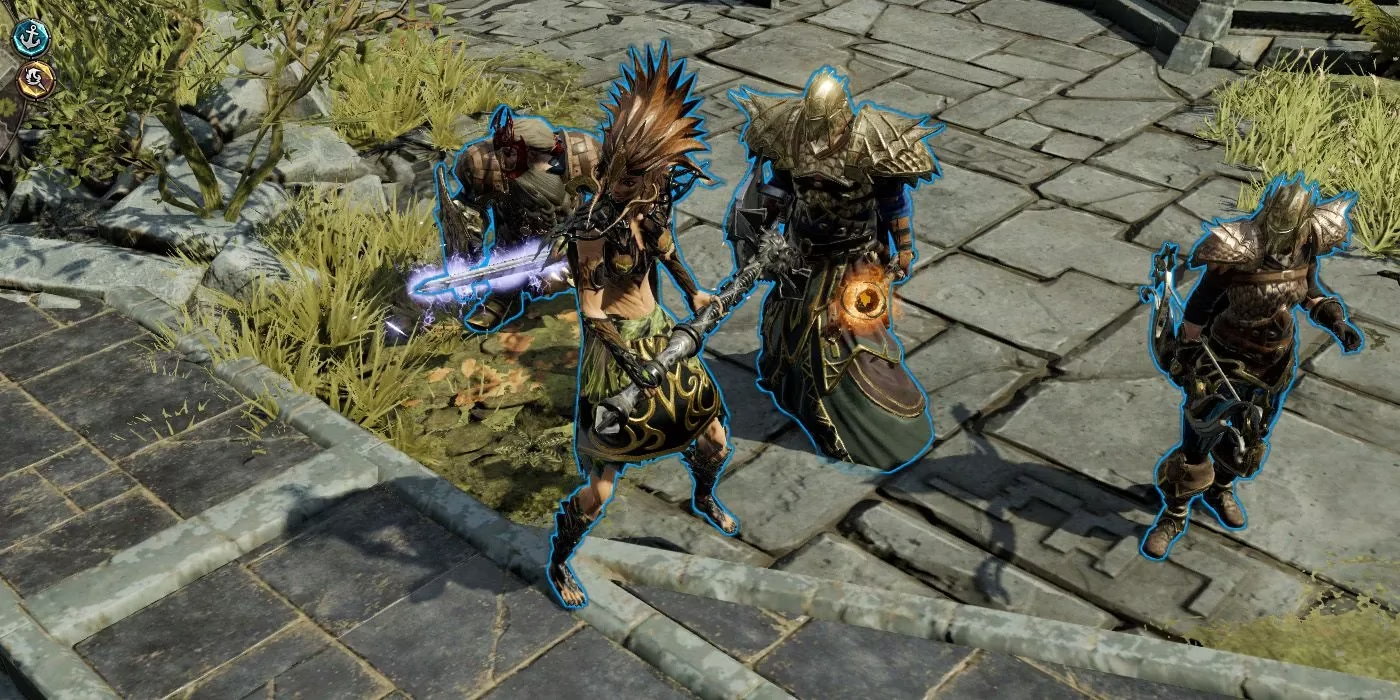
By the end of his rebuild, Rowan no longer saw the tank as the party's sacrifice. The character was a controller, a blocker, a punishing counterattacker, and a reliable anchor. In 2026, that lesson still holds for Divinity: Original Sin 2: a great tank does not just take hits. It decides where the fight happens.