From Talking Chickens to Blood Rain: A Beginner's Guide to Divinity: Original Sin 2 Abilities
The best Divinity: Original Sin 2 abilities for beginners include Loremaster, Summoning, and Bartering to survive and thrive.

Divinity: Original Sin 2 has enough content to swallow a lesser RPG whole—side quests that intertwine like a nest of excited snakes, character builds that range from "elegant pyromancer" to "sentient barrel on legs," and dialogue choices that let you befriend a skeletal philosopher or insult a deity. It’s the kind of game where a single wrong step can turn your party into a fine red mist... but don’t worry, we’ve all been there. Picking a few smart abilities early on turns that mist back into a functioning team, and maybe—just maybe—you’ll end up convincing a dragon to reconsider its life choices instead of just setting everyone on fire. Here’s a rundown of the abilities that’ll keep a fledgling Sourcerer alive, wealthy, and insufferably charming.
10. Loremaster – Because Knowing Your Enemy’s Allergies is Half the Battle
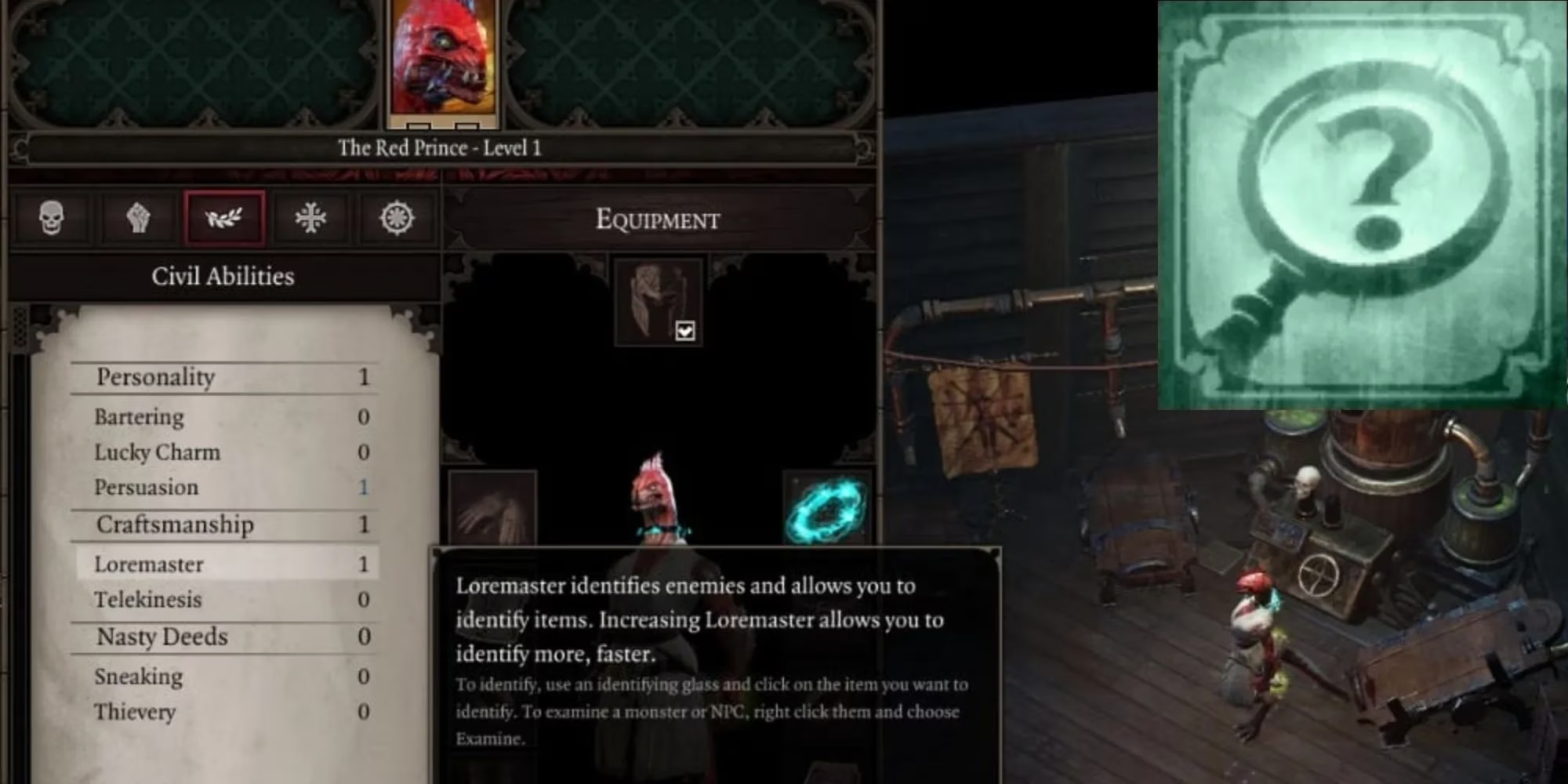
If you’ve ever found a sword that glows with a mysterious aura and thought, “I’ll just guess what this does,” then you’ve probably also exploded. Don’t be that person. Plopping a few points into Loremaster lets one party member whip out an Identifying Glass and reveal an item’s secrets—no more inadvertently equipping a cursed amulet that shouts insults at you during combat. Even better, the ability gives you a peek into enemy resistances. That smug voidwoken with a hundred HP? Loremaster can tell you it’s allergic to fire, water, or harsh language. It’s the kind of intel that turns a grueling 20-minute slugfest into a swift execution. Treat it like a pair of reading glasses that also save lives.
9. Summoning – Let Someone Else Take the Punch for a Change
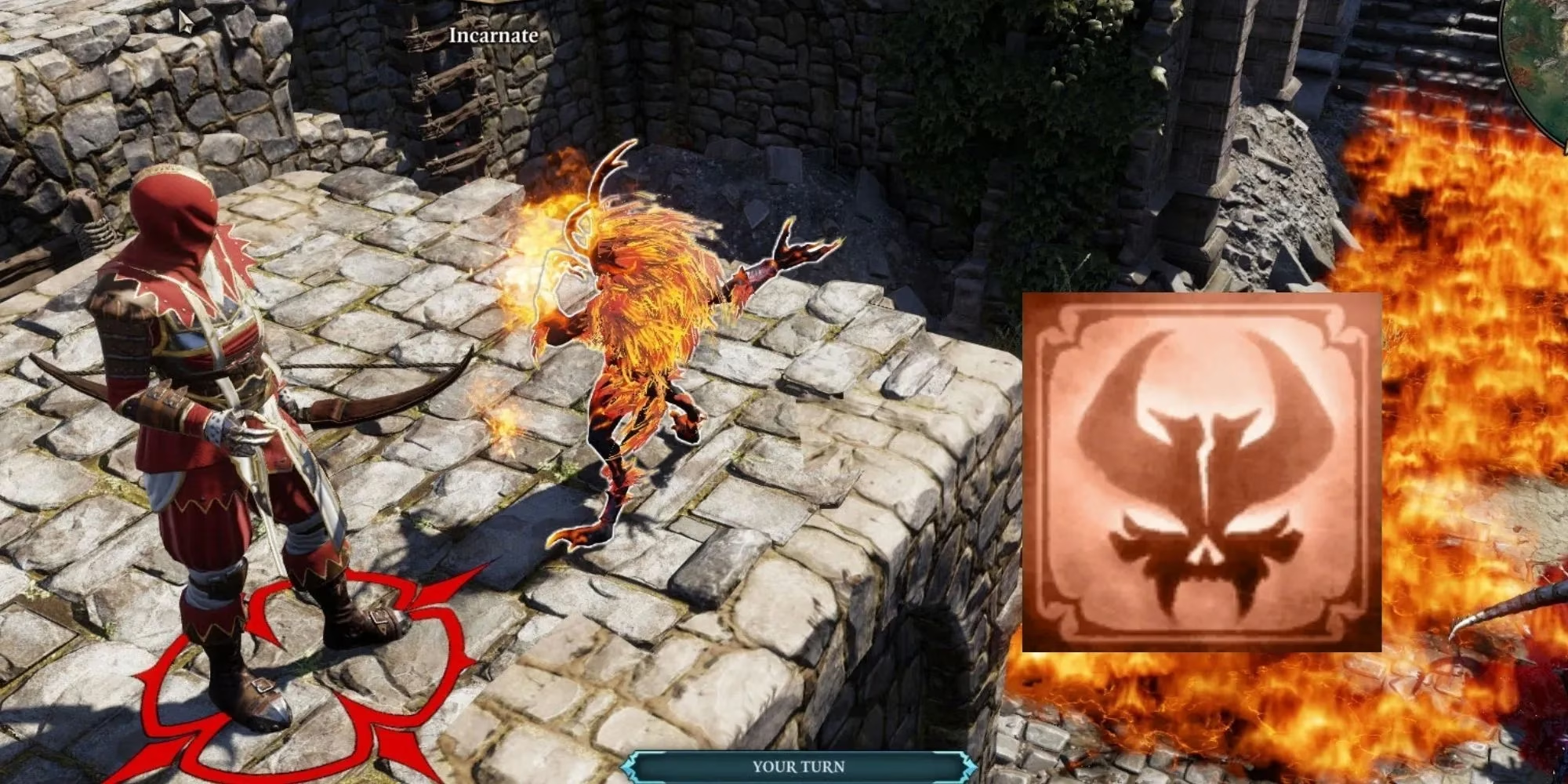
There’s a special kind of joy in watching a ten-foot-tall elemental incarnate politely absorb the entire enemy team’s opening salvo while you sip a cup of tea. Summoning does exactly what it says on the tin: your conjured pals get tankier, slappier, and more durable with each point invested. Even a lowly Incarnate, when infused with the right element, can turn into a frontline menace or a very persuasive distraction. And once you unlock Totems and the gloriously unhinged Inner Demon skill? Well, let’s just say the battlefield starts looking like a budget kaiju movie. For beginners, this ability is the ultimate “get out of jail free” card—your summons may not have a pension plan, but they’ll keep you breathing.
8. Bartering – Gold Doesn’t Grow on Trees, But Discounts Sure Do
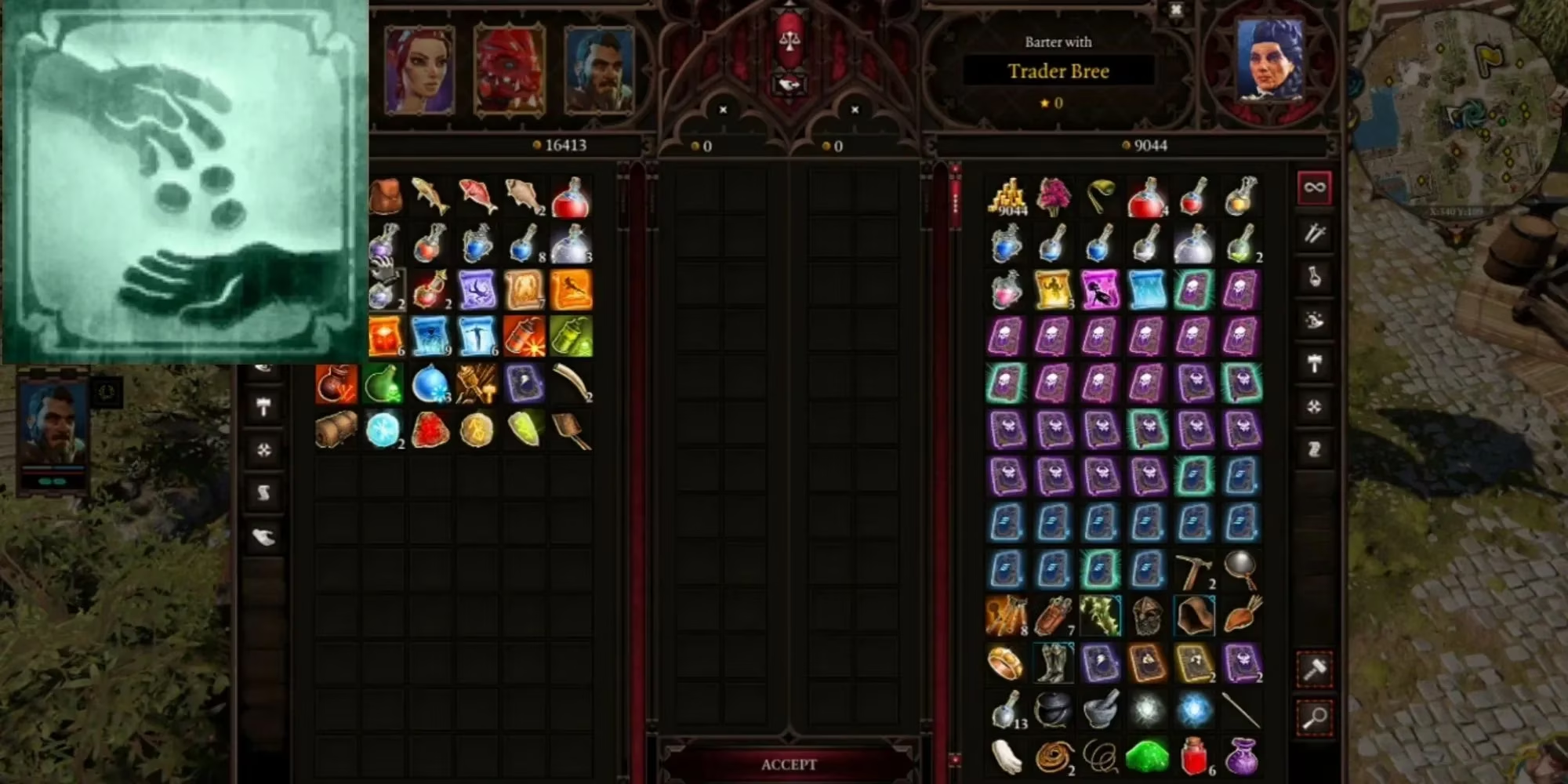
You know that feeling when a merchant charges you 3000 gold for a mildly enchanted hat and your wallet weeps? Bartering is here to dry those tears. Assign one silver-tongued character to this Civil Ability, funnel all your vendor trash into their inventory, and suddenly everything is cheaper and everything you sell is worth more. It’s like having a permanent VIP discount card in every single settlement. Early on, when gold is as precious as a bedroll after a long fight, Bartering means you can actually afford skill books and a round of healing potions without begging. Hand over the coin-purse duties to your most charming companion—just make sure they don’t skim anything off the top.
7. Thievery – Steal Like a Ghost, Profit Like a Dragon
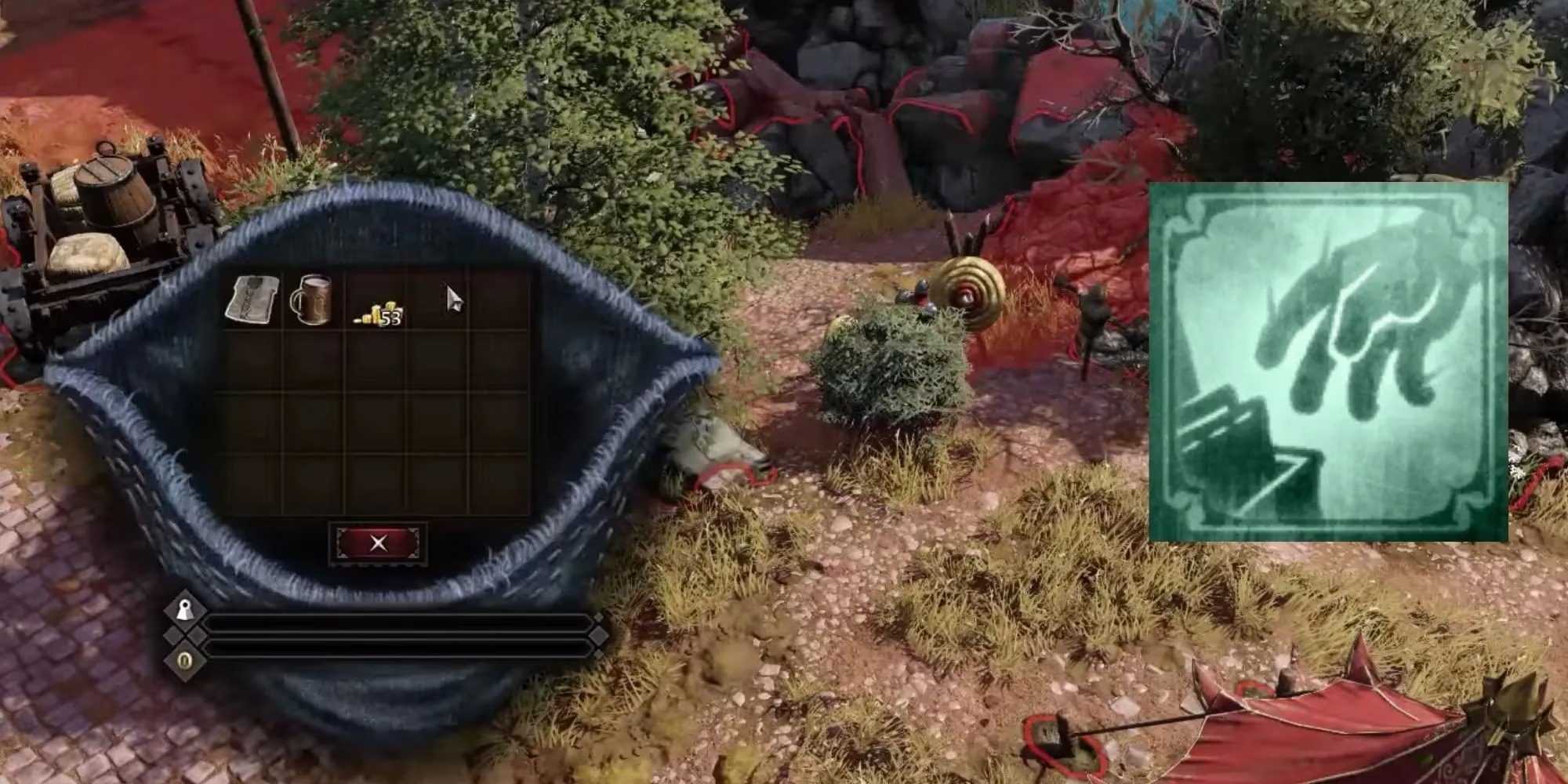
Beginners quickly learn that the game’s greatest treasure chest is often an NPC’s back pocket. Thievery lets you “borrow” items, gold, and occasionally a quest-critical key with the subtlety of a breeze—provided no one is watching. And because you can only rob each character once, you’ll learn to make it count. Put points here, and soon enough you’ll be picking locks that would stump a master locksmith, slipping past guards into forbidden rooms, and maybe even lifting a unique ring right off a sleeping magister’s finger. It’s the multiplayer equivalent of pointing at your friend and whispering, “Create a distraction, I’m going in.” Sneaky? Yes. Dirty? Absolutely. Effective? You bet your stolen boots it is.
6. Specialize in a Weapon Ability – Pick a Lane and Own It
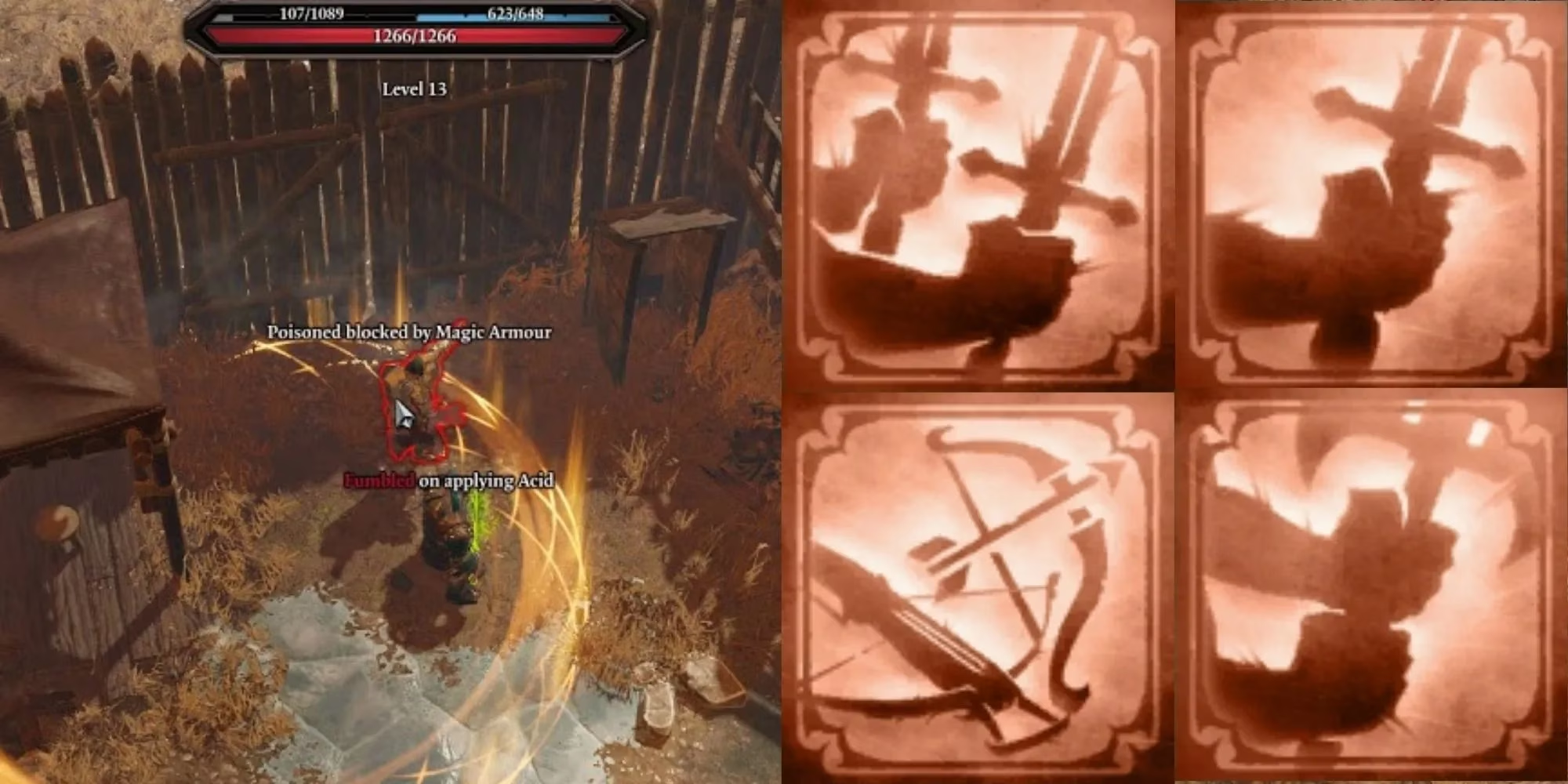
Generalists are lovely at dinner parties, but in combat they hit about as hard as a damp noodle. The four weapon abilities—Dual Wielding, Ranged, Single-Handed, and Two-Handed—let you commit to a style and own it. A ranger who pours points into Ranged will eventually land critical hits so often they’ll start writing sonnets about arrows. A two-handed berserker becomes a walking tempest of steel. For beginners, the best advice is simple: pick the weapon type that makes you grin, invest points only there, and watch your damage output climb faster than a startled squirrel. No more spreading points across three weapon trees like a confused polymath. Just pick one and make it sing.
5. Polymorph – Turn a Foe into a Chicken, Then Worry About Your Stats
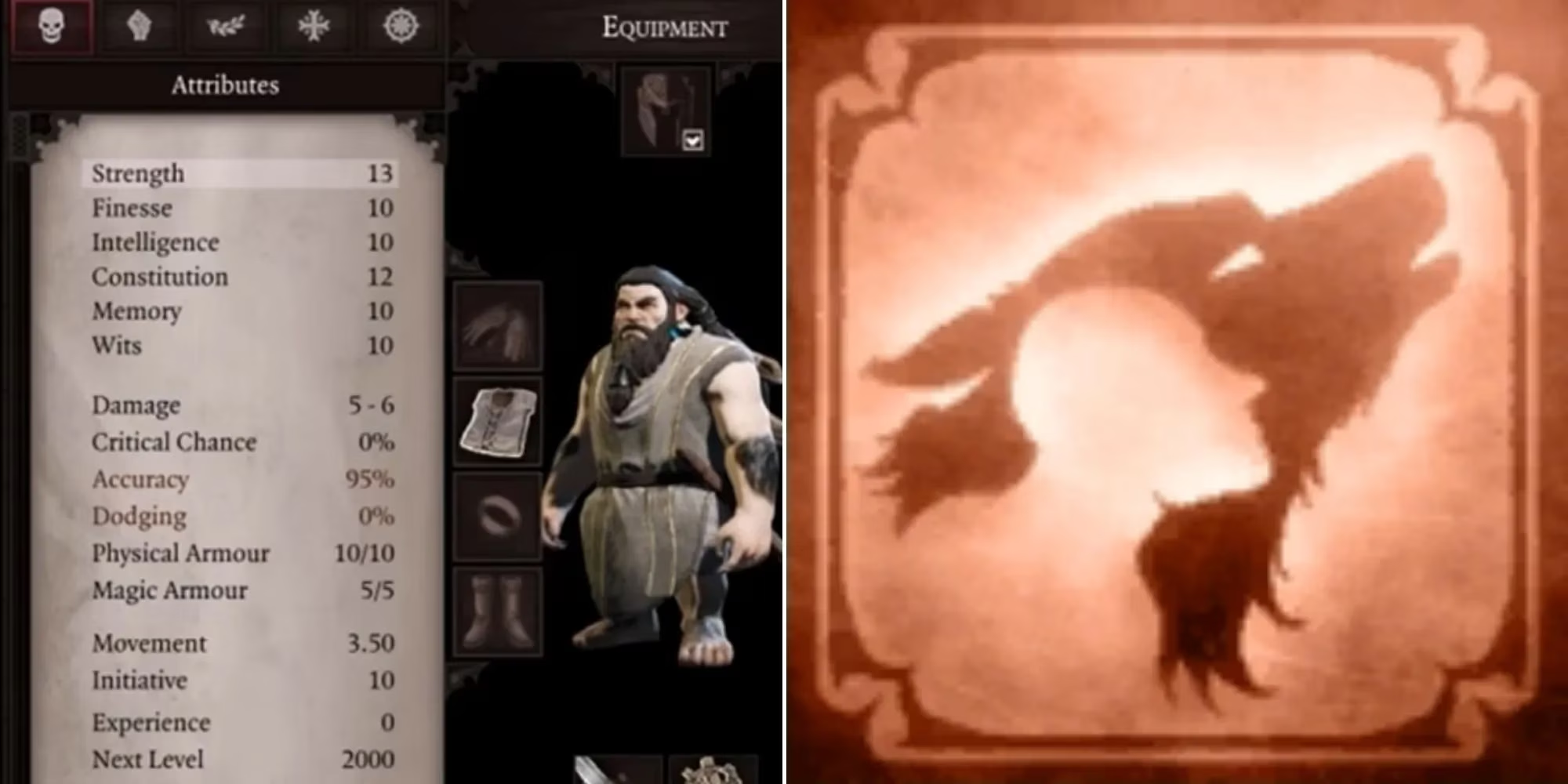
If you’ve ever wanted to win a fight by turning a hulking knight into a clucking chicken, welcome home. Polymorph doesn’t just hand you delightfully unhinged skills; it also gives you extra attribute points. Each point spent lets you boost Strength, Finesse, Intelligence, Constitution, Memory, or Wits—smoothing over any early build mistakes. New players often panic about having too little memory for skills, and Polymorph quietly solves that problem without breaking a sweat. Plus, Chicken Claw is the gift that keeps on giving. Enemies who are poultry-fied can’t exactly parry. It’s crowd control with a side of existential crisis, and it never gets old.
4. Leadership – Your Team Becomes an Untouchable Huddle of Heroes

Leadership is the ability for the party member who’s sick of watching their friends eat dirt. Slap it onto the sturdiest, most mother-hen character in your group, and everyone within arm’s reach gets better at dodging and resisting attacks. The buffs don’t apply to the leader themselves, so think of this as the ultimate “I’ve got you, buddy” aura. For melee-heavy teams that cluster together like penguins in a blizzard, Leadership can quietly turn a near-wipe into a flawless victory. Just keep your leader in the thick of things—if they wander off to admire scenery, the bonus evaporates faster than your motivation to do laundry.
3. Necromancer – Who Needs Health Potions When You Have Blood Rain?

Playing an undead character like Fane is a declaration that you’re not interested in normal healing. Healing potions and Restoration spells will hurt you, so you turn to the dark arts instead. Necromancy makes every point of vitality damage you deal also heal you—a deliciously twisted form of self-care. Combine that with skills like Blood Rain and Blood Sucker, and you’ll be slurping up health puddles like a gothic smoothie. It’s macabre, it’s effective, and it’s a build that makes other party members mildly uncomfortable but deeply grateful. For the beginner who enjoys the idea of looking death in the eye and saying, “You’re my lunch,” Necromancer is a must.
2. Hydrosophist – One Healer Makes Everyone’s Day Less Awful

No matter if you’re a suave rogue, a pyromaniac wizard, or a literal lizard, someone on your team needs to understand the value of a well-timed heal. Hydrosophist makes your Restoration spells and other watery mercy genuinely potent—each point increases vitality healed. In a game where enemies seem to have a personal vendetta against your hit points, the ability to patch up the party mid-fight is priceless. Designate a dedicated healer early on, give them every point you can spare, and watch them keep the team alive through ambushes, traps, and your own questionable tactical decisions. It’s like having a kindly aunt with a first-aid kit and the patience of a saint.
1. Persuasion – The Silver Tongue That Opens Every Door
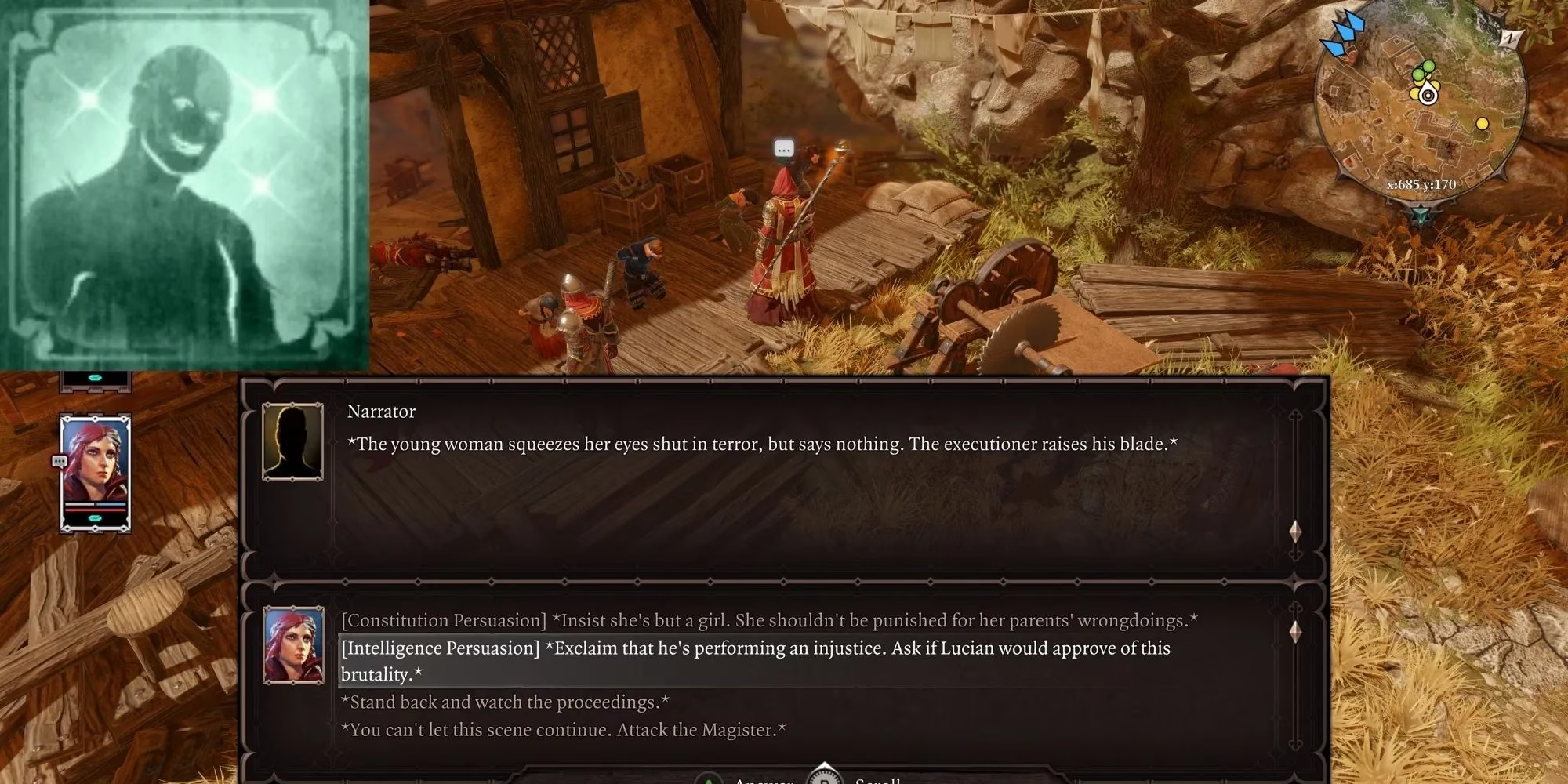
Here it is—the crown jewel of Civil Abilities and the reason so many players walk through Rivellon with a confident smirk. Persuasion lets you talk your way out of fights, into hidden story branches, and straight past a boss who’s about to wipe your party. Every point invested makes NPCs inexplicably fonder of you and boosts your chance of passing those nail-biting conversation checks. Avoid a deadly ambush? Done. Convince a villain to reveal their entire tragic backstory? Easy. Make a suspicious guard believe you’re a visiting cheese inspector? Well… maybe not, but with enough Persuasion, even the impossible feels attainable. For the beginner unsure where to spend those precious Civil points, this is the answer. A good sword may win a battle, but a well-placed compliment conquers the world.