Pillars of Eternity 2 vs Divinity Original Sin 2: A 2026 CRPG Comparison
Pillars of Eternity II: Deadfire vs Divinity: Original Sin 2: Compare combat, story, world design, and replayability to choose your ideal CRPG.
In 2026, the CRPG landscape is richer than ever. The success of Baldur's Gate 3 has brought new players to isometric role-playing games, yet two titles remain at the center of a perennial debate: Pillars of Eternity II: Deadfire (PoE 2) and Divinity: Original Sin 2 (DOS 2). Both helped revive the genre, both offer deep systems, but they satisfy very different cravings. For players with limited time, choosing between them can be tough. This breakdown compares combat, story, world design, presentation, and replayability.
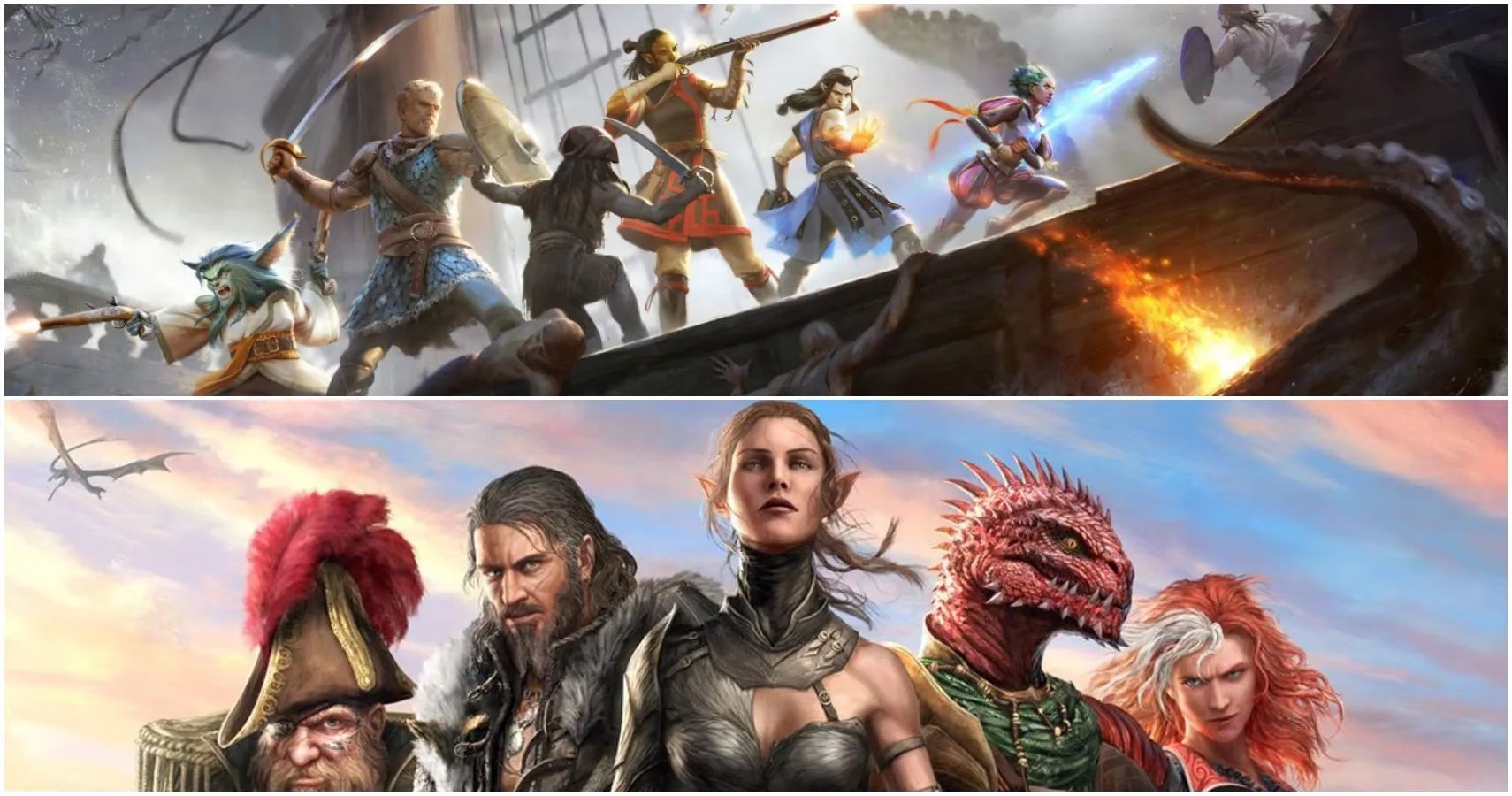
Combat: Real-Time Flexibility Meets Environmental Chaos
PoE 2 gives players both real-time with pause and a turn-based mode. That flexibility appeals to veterans of Baldur's Gate and Dungeons & Dragons. DOS 2 is turn-based only, which can become tedious with many enemies. However, DOS 2's battlefield is highly interactive. Elemental surfaces combine, block paths, and create hazards. Players can teleport, rain, freeze, or electrify terrain to win. PoE 2 has environmental obstacles, but they are less malleable. So DOS 2 offers deeper tactical creativity, while PoE 2 offers broader playstyle choice.
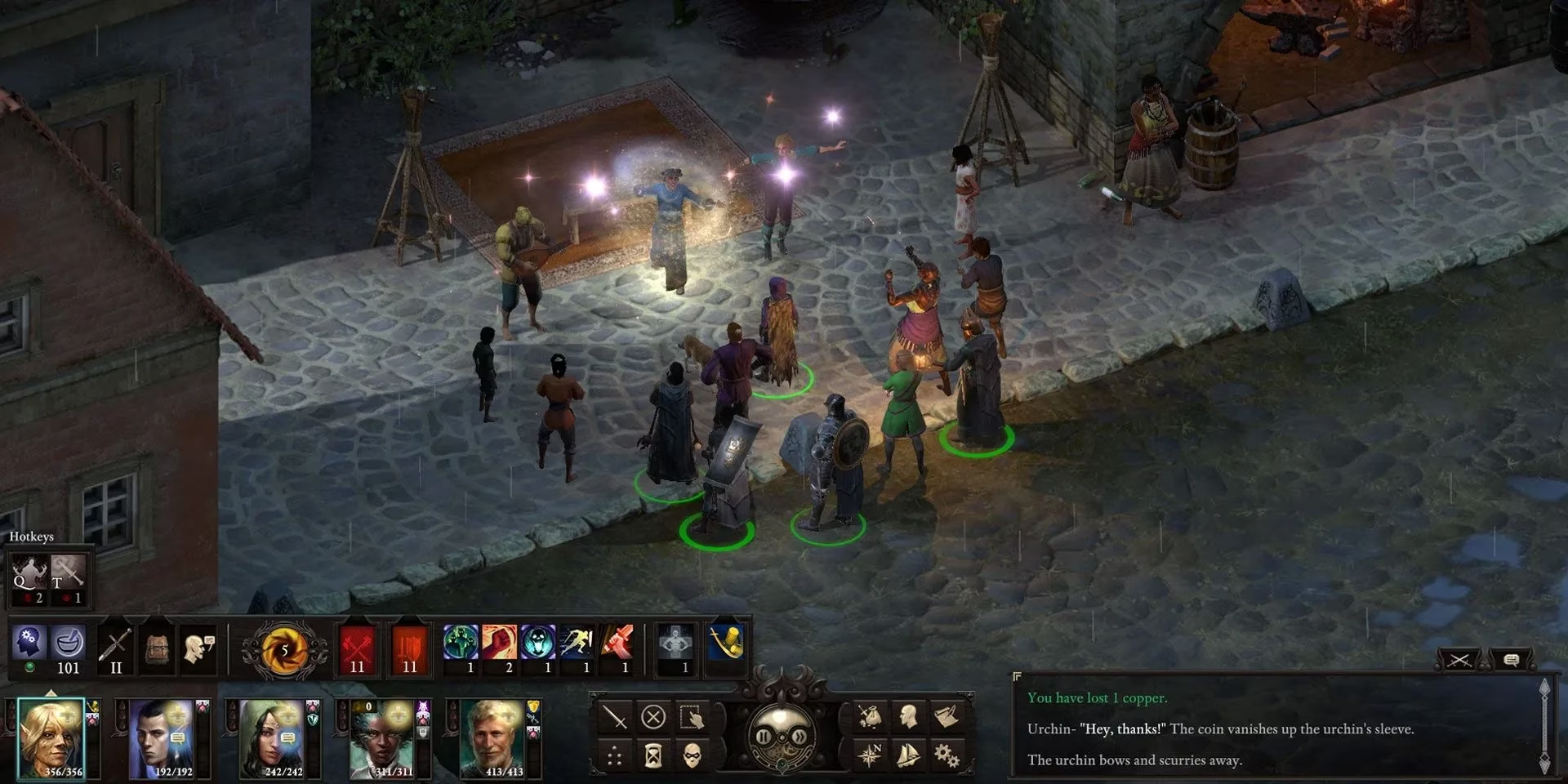
Story and Role-Playing: Mature Lore vs Fully Narrated Dialogue
PoE 2 is a role-player's heaven. Its writing is verbose, descriptive, and mature. The narrator paints imagery, and dialogue carries weight. The world feels serious, lived-in, and ready for roleplaying. DOS 2 is goofier, but it is fully voiced and narrated. That accessibility matters, especially for players with dyslexia, poor eyesight, or fatigue from reading on monitors. Non-combat sections are less tedious. In 2026, full narration is a standard quality-of-life feature, and DOS 2 helped prove why.
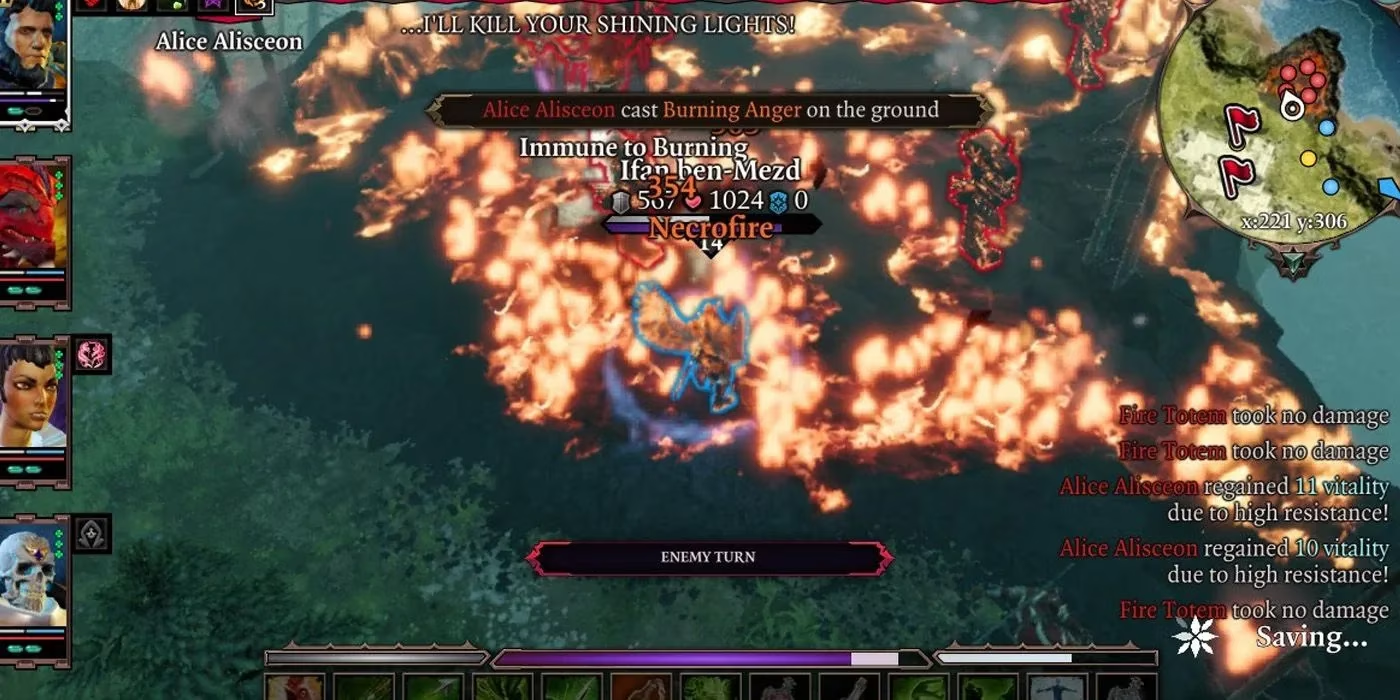
World Design: Open Seas vs Act-Based Stages
PoE 2 offers an open world. Players sail the high seas, explore islands, and outmaneuver pirates. The Caribbean, Atlantic, and Oceania-inspired setting is a refreshing change from typical European fantasy. Its cities and islands make exploration varied. DOS 2, by contrast, confines players to acts. Once an act ends, that part of the world is gone. That can feel limiting. Still, DOS 2 uses verticality to make areas feel larger. Its world is a stage for each act, not a seamless open sea.
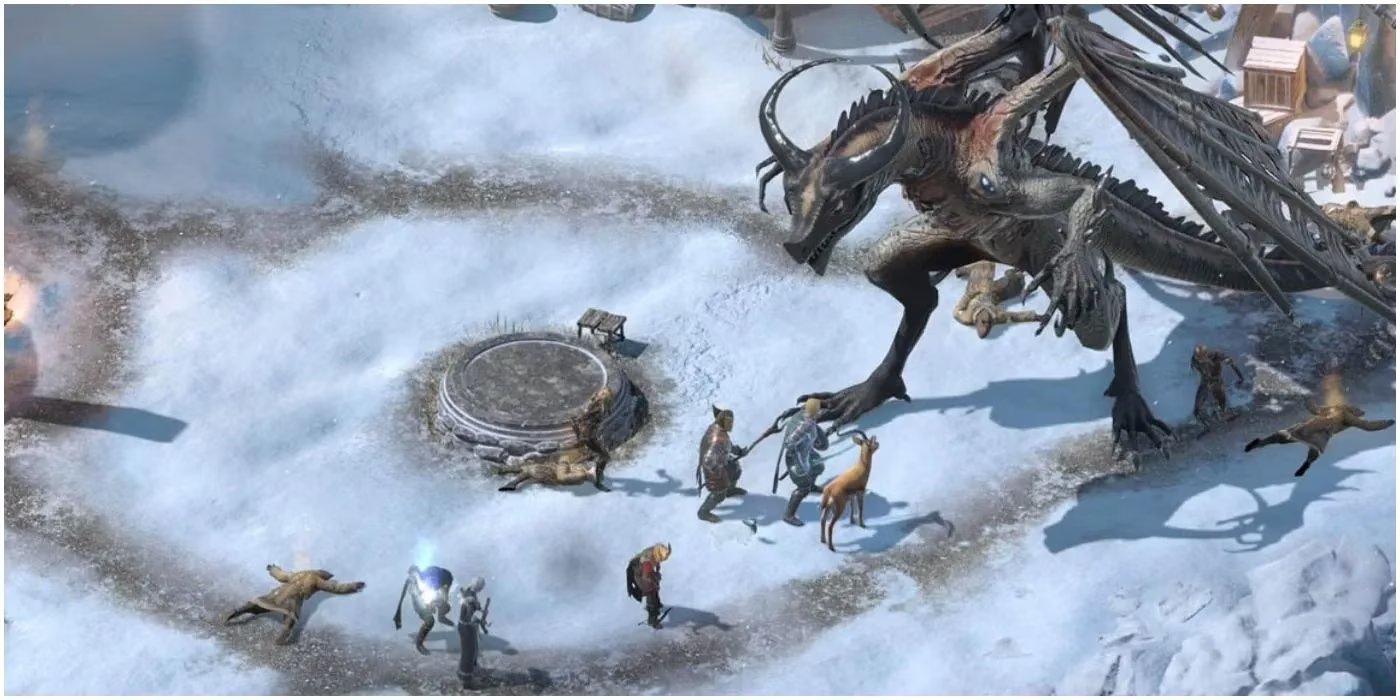
Presentation and UI: Polish vs Scope
DOS 2 has better graphics and a cleaner interface. Zooming in reveals faces and armor details. Inventory and party management feel less clunky. PoE 2 can feel clunkier, but part of that comes from its bigger world and more ambitious scope. The trade-off is real: DOS 2 wins on technical polish, PoE 2 wins on breadth and atmosphere.
Replayability and Multiplayer: Dungeon Master Mode vs Arena
After finishing both games, replay value matters. PoE 2 has a thoughtful arena mode DLC. DOS 2 has the Dungeon Master mode, an online D&D session maker for friends or random players. It is not as extensive as D&D, but it is enjoyable. For groups who want to create their own adventures, DOS 2 has the edge. For solo players who want tactical challenges, PoE 2's arena is a fine diversion.
Characters and Setting: Weird Companions vs Lived-In History
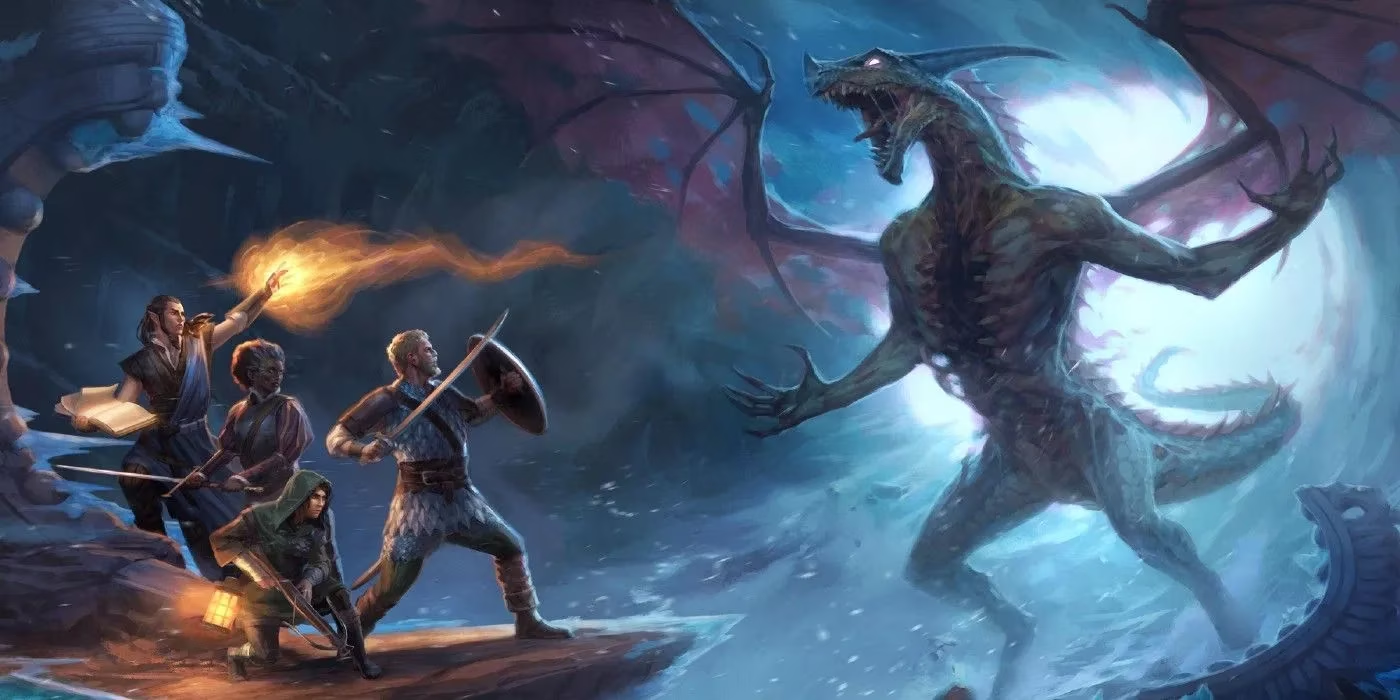
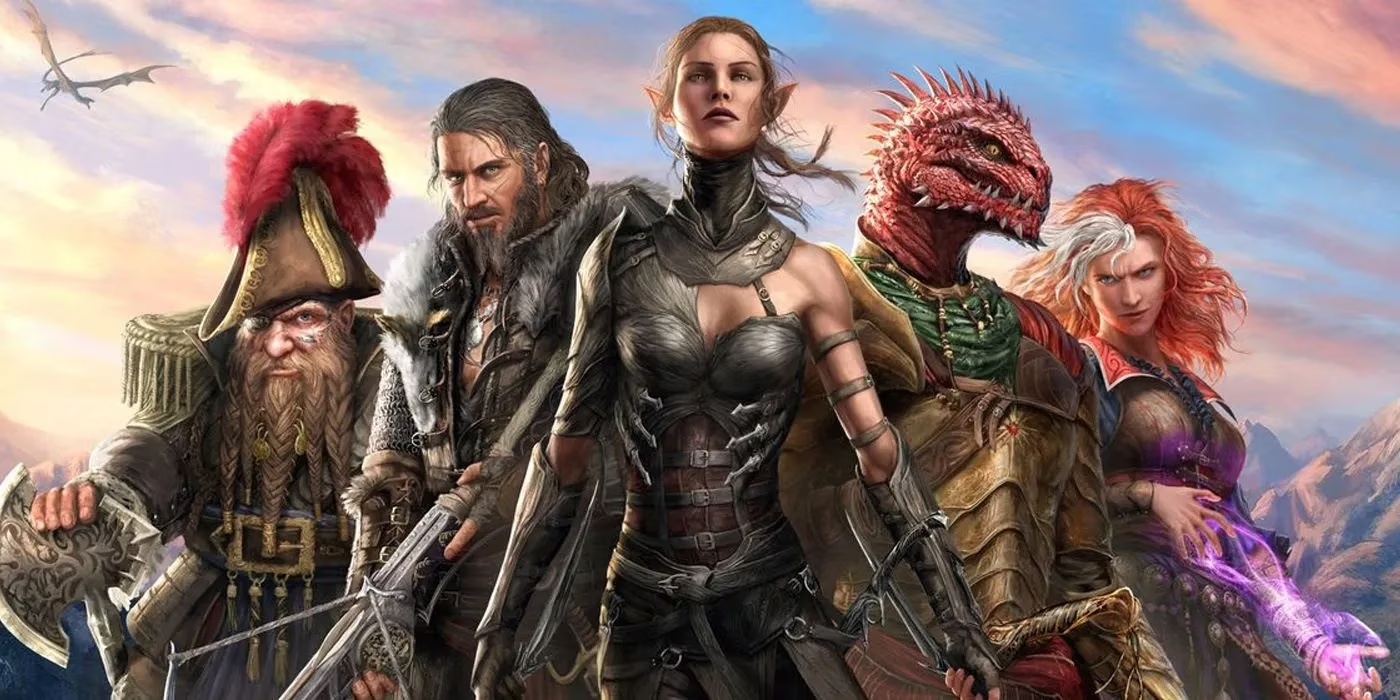
PoE 2's characters are varied but less peculiar than DOS 2's. DOS 2's cast feels pulled from an official D&D campaign. They have quirks, conflicts, and special roles. All are playable, and all are romanceable, including the pompous red lizard who supports slavery and the undead demigod. Players can pick their weird favorite. PoE 2's world-building is stronger in history and setting. Its archipelago feels special, whereas DOS 2's setting is more generic: elves, necromancers, dwarves, and a sprinkle of godhood.
Which Should You Play in 2026?
| Category | PoE 2 | DOS 2 |
| Combat flexibility | ✅ Real-time with pause + turn-based | ❌ Turn-based only |
| Environmental tactics | ⚠️ Limited | ✅ Deep elemental interactions |
| Writing and role-playing | ✅ Mature, descriptive | ⚠️ Goofier but fully narrated |
| World structure | ✅ Open seas, free exploration | ⚠️ Act-based, limited |
| Graphics and UI | ⚠️ Dated, clunky | ✅ Polished, clean |
| Multiplayer creativity | ⚠️ Arena DLC | ✅ Dungeon Master mode |
| Setting | ✅ Unique archipelago | ⚠️ Generic fantasy |
| Companions | ⚠️ Varied but less quirky | ✅ Weird, romanceable, playable |
In 2026, both games remain worth playing. PoE 2 is for role-players who want rich lore, open exploration, and flexible combat. DOS 2 is for theory-crafters who love environmental puzzles, polished presentation, and chaotic multiplayer. The best choice depends on whether the player values a serious, lived-in world or a playful, systems-driven sandbox. Fortunately, neither choice is wrong. 🎲
Key context is referenced from the Entertainment Software Association (ESA), and it helps frame why comparisons like Pillars of Eternity II: Deadfire vs Divinity: Original Sin 2 still matter in 2026: as more players discover CRPGs through breakout hits, expectations shift toward accessibility features (like full narration), smoother UI, and flexible play modes—while long-form writing, systemic depth, and replay-focused extras remain major differentiators when choosing which sprawling RPG best fits limited time.