The Enduring Allure of Replayability: How Western RPGs Master the Art of Multiple Playthroughs
Western role-playing games and replayability shine in immersive worlds, offering dynamic narratives and endless player-driven adventures.
In the vast landscape of video games, Western role-playing games stand as titans of player agency and narrative depth. These epic experiences, characterized by their sprawling worlds and emphasis on choice, are designed not just to be completed, but to be lived in and revisited. The very DNA of the genre encourages exploration beyond a single path, weaving intricate tapestries of story and character development that change based on a player's decisions. This commitment to multifaceted storytelling and deep customization creates an environment where a single playthrough is merely an introduction, a first chapter in a much larger, personalized saga. The result is a genre that thrives on replayability, offering fresh perspectives and new challenges with each return to its digital realms.
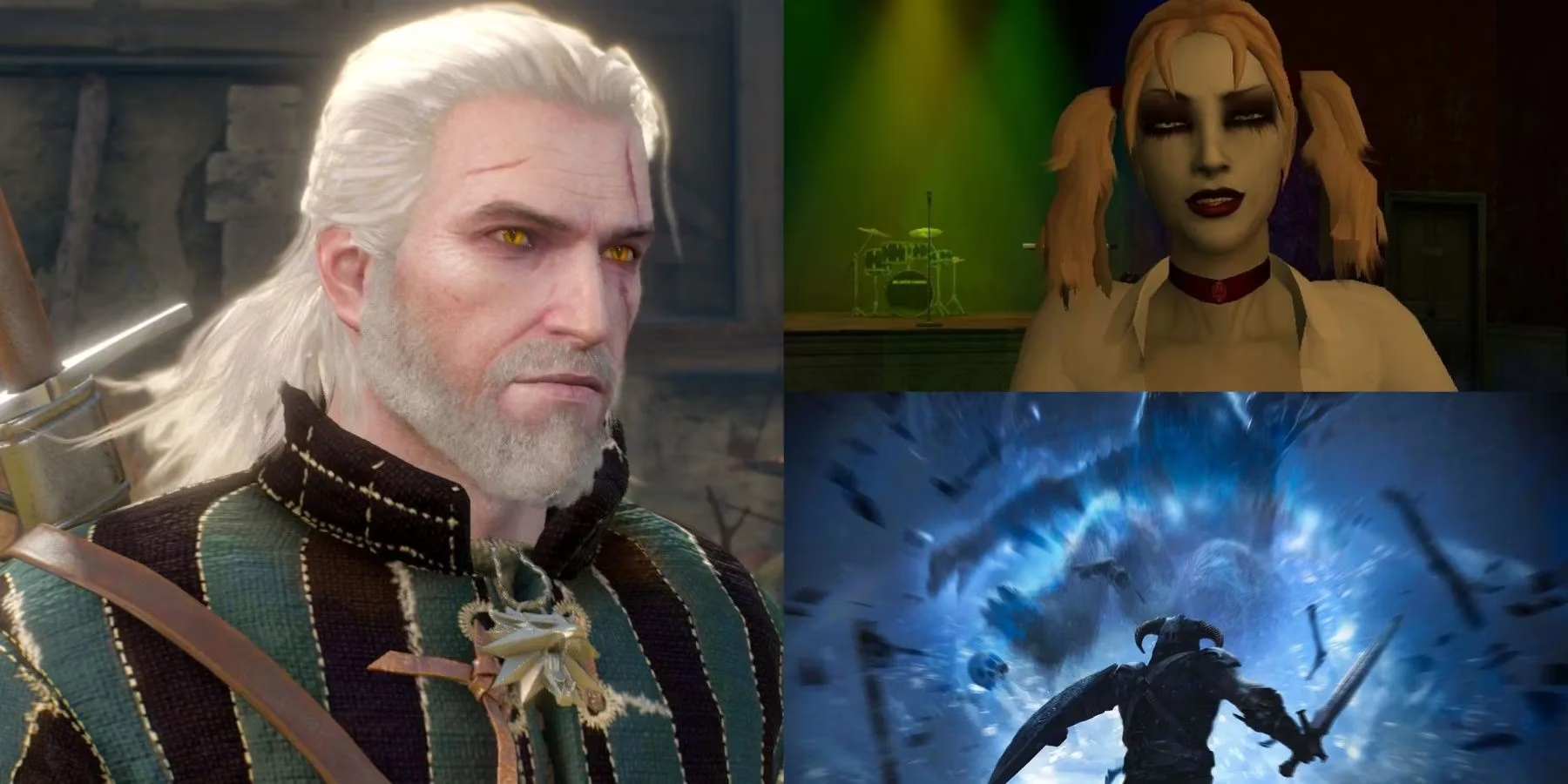
The mechanisms that foster this replay value are diverse and ingenious. Developers employ a toolkit of features to ensure no two journeys are identical:
-
Branching Narratives: Storylines that diverge based on moral choices, faction allegiances, or key decisions, leading to vastly different conclusions.
-
Build Diversity: Deep character progression systems that allow for radically different combat styles, from stealthy assassins to powerful spellcasters.
-
Hidden Content: Secret quests, areas, and items locked behind specific actions or choices, rewarding thorough exploration.
-
Origin Stories & Backgrounds: Defining a character's starting point and history, which can influence dialogue, quest availability, and world reactions.
This design philosophy transforms a game from a static product into a dynamic playground, where the player's imagination and choices are the primary drivers of the experience. The following titles exemplify this mastery of replayability, each offering unique reasons to start the adventure anew.
The Elder Scrolls V: Skyrim: The Quintessential Sandbox
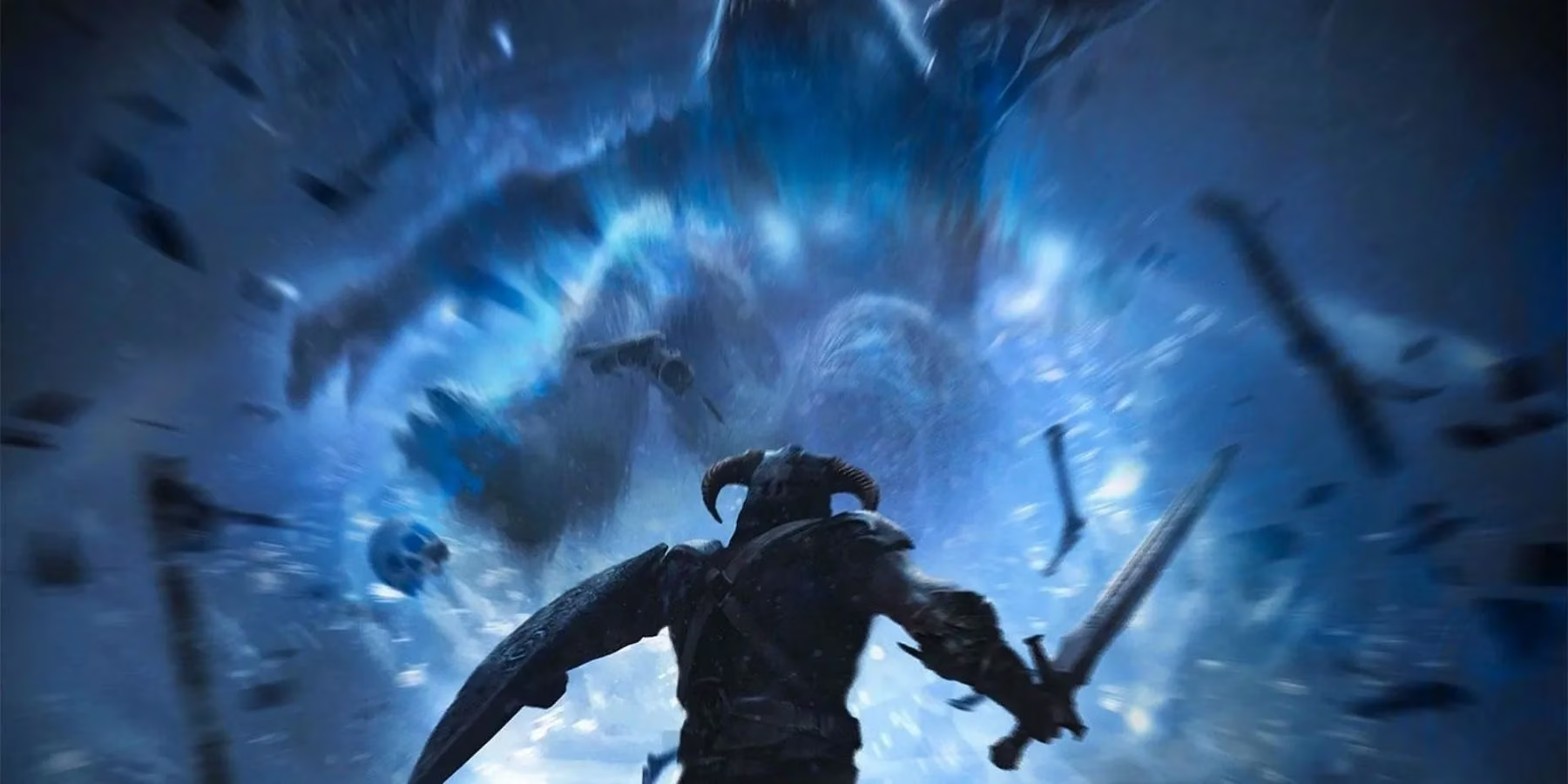
Few games embody player freedom like Skyrim. Its Nordic-themed open world is a canvas for endless experimentation. The lack of a prescribed path means players can ignore the main dragon crisis entirely, focusing instead on becoming a master thief in the Guild, a noble warrior in the Companions, or a scholarly wizard at the College of Winterhold. The sheer variety of races, skills, and playstyles—from heavy-armored two-handed warriors to illusion-based pacifists—guarantees a unique feel for each character. Furthermore, the legendary modding community continues to inject new life into the game over a decade later, allowing players to overhaul graphics, add quests, and introduce new mechanics, making each playthrough a customizable masterpiece.
The Witcher 3: Wild Hunt: A Narrative and Combat Chameleon
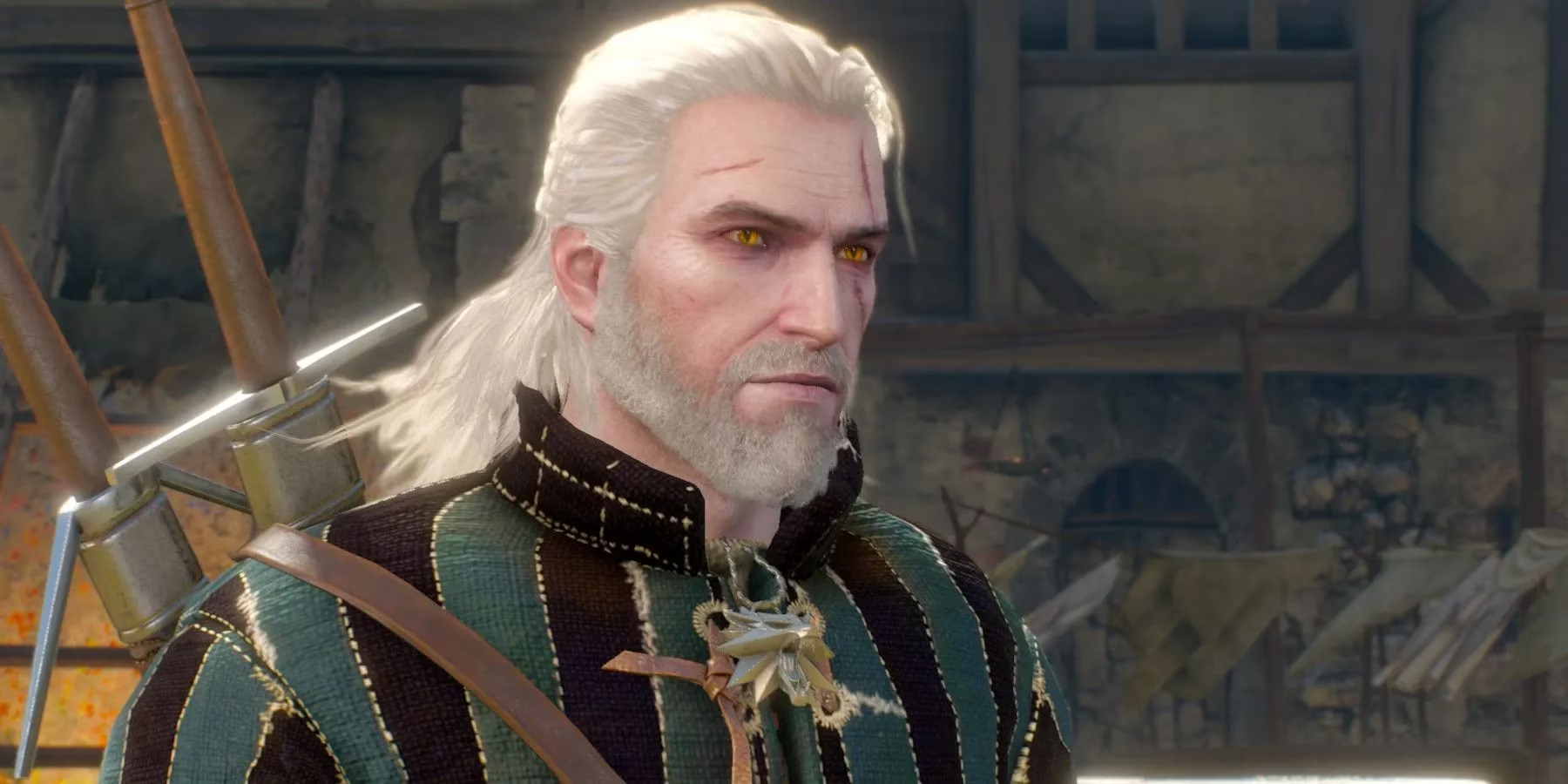
While following the established character of Geralt of Rivia, The Witcher 3 offers profound replayability through its narrative branches and combat specialization. Geralt can be molded into a distinct warrior in each playthrough: a brute-force swordsman, a Signs specialist who controls the battlefield with magic, an alchemy expert who decimates foes with poisons and bombs, or a hybrid of all three. The story itself is a web of consequential choices, from romantic entanglements to political alliances and heartbreaking moral dilemmas in side quests. These decisions ripple outward, affecting character fates, regional stability, and multiple possible endings, ensuring that a second journey through the Northern Kingdoms feels markedly different from the first.
Fallout: New Vegas: The Pinnacle of Player Agency
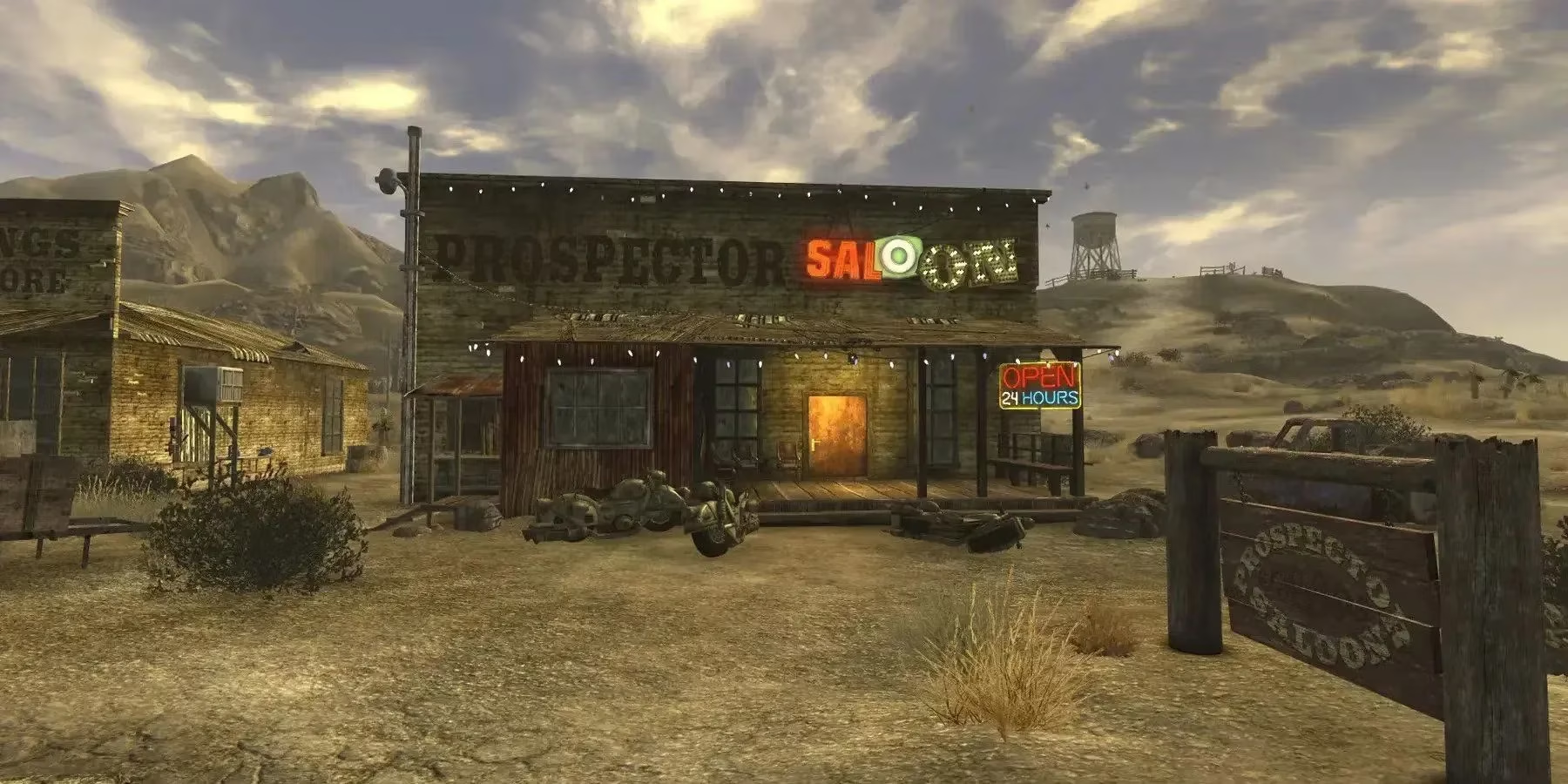
Celebrated for its unparalleled respect for player choice, Fallout: New Vegas is a replayability juggernaut. The Mojave Wasteland is a political powder keg, and players can side with any of several major factions—the militaristic NCR, the autocratic Caesar's Legion, the enigmatic Mr. House, or an independent path—each with its own complete storyline and ending. Companion characters have deep personal quests that can be resolved in multiple ways. The game's famous reputation system means every action, from petty theft to heroic sacrifice, alters how the world perceives you. Combined with a flexible character build system that supports everything from smooth-talking pacifists to unhinged explosives experts, New Vegas demands to be experienced from every possible angle.
Mass Effect 2: Character-Driven Sci-Fi Epic
BioWare's space opera masterpiece leverages its rich character interactions to fuel replay value. The core mission of assembling a suicide squad allows players to recruit (or not recruit) a diverse crew, each with loyalty missions that must be successfully completed to ensure their survival in the climactic finale. Romance options add a personal layer to the narrative. The Paragon/Renegade morality system isn't just about good and evil; it represents diplomatic versus ruthless leadership styles, unlocking different dialogue and resolution options. Playing as male or female Shepard also offers subtle differences in voice performance and some interactions, encouraging players to experience the story through a different lens.

Dragon Age: Origins: The Power of Origin Stories
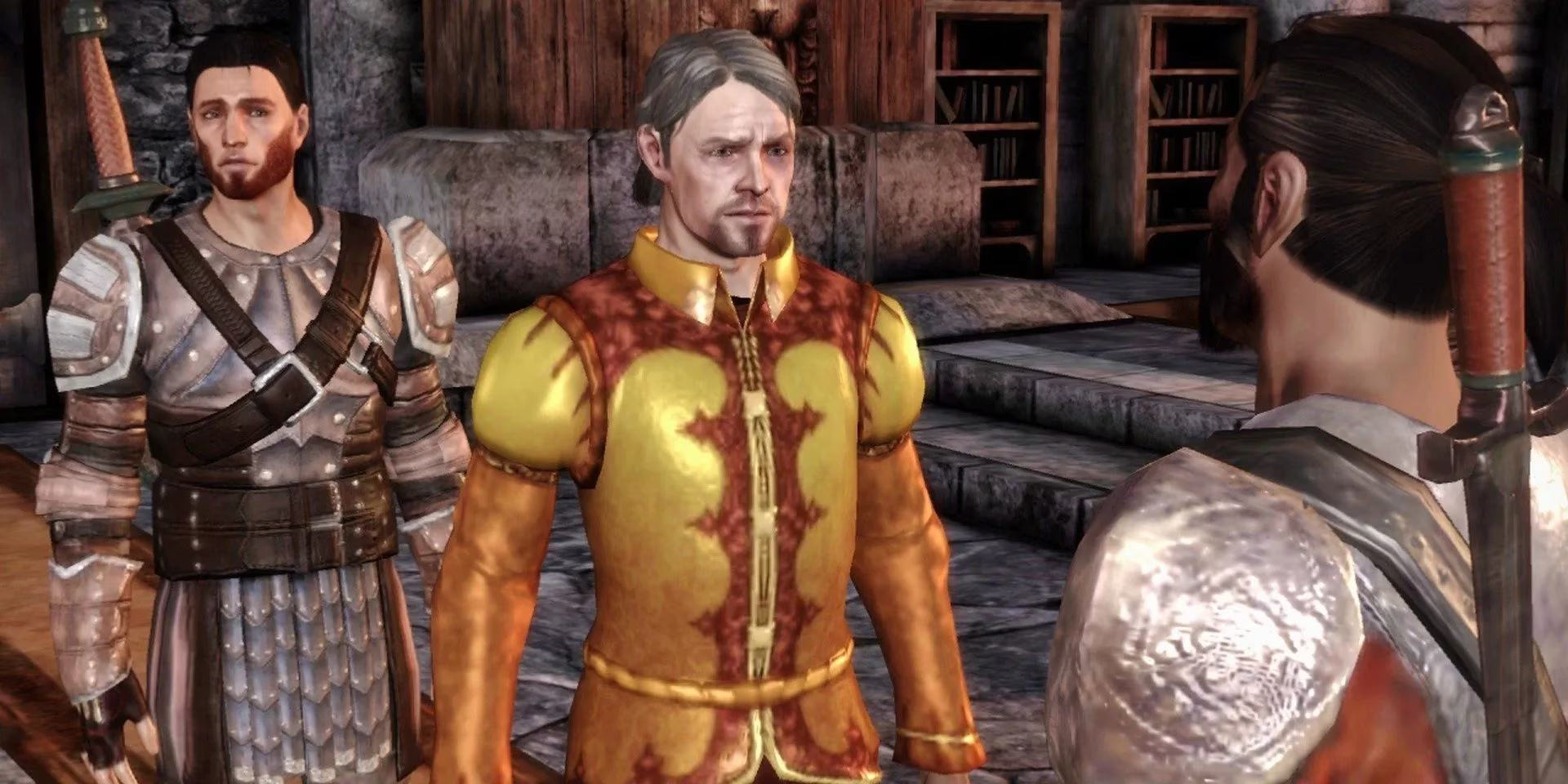
This fantasy RPG grounds its replayability in a brilliant foundational concept: the origin story. Before the main plot begins, players experience a unique prologue based on their character's race and class—a Dalish elf, a dwarven noble, a circle mage, and more. These origins provide distinct perspectives, motivations, and even recurring characters later in the game. The strategic, pause-and-play combat feels different depending on party composition, and the relationships with companions can lead to alliances, romances, or bitter rivalries that influence the story's outcome. The choices made here feel weighty and personal, making each Warden's journey uniquely their own.
Cyberpunk 2077: A Redemption Story of Depth
Following its rocky launch, Cyberpunk 2077 evolved into a deeply replayable narrative experience. The choice of Lifepath—Nomad, Streetkid, or Corpo—isn't just cosmetic; it provides unique opening sequences, dialogue options, and quest solutions throughout the entire game. V's gender also influences certain interactions. From a gameplay perspective, the build variety is staggering. A first playthrough might favor straightforward gunplay, while a second could delve into the hacker-centric Netrunner build, which allows V to disable enemies and manipulate the environment through cyberspace without firing a shot, fundamentally changing how every encounter is approached.

Vampire: The Masquerade – Bloodlines: A Cult Classic of Role-Playing
This atmospheric RPG offers one of the most radical forms of replayability: entirely different gameplay experiences based on clan choice. While all players are vampires, selecting the Malkavian clan, whose members are prophetically insane, changes all dialogue to be bizarre and riddle-filled, offering hidden insights. Choosing the monstrous Nosferatu, meanwhile, forbids being seen by humans, forcing a complete stealth-based overhaul of gameplay. This level of role-playing commitment ensures that each clan feels like a new game, exploring the dark streets of Los Angeles in a fundamentally unique way.

Divinity: Original Sin 2: A Tactical Playground
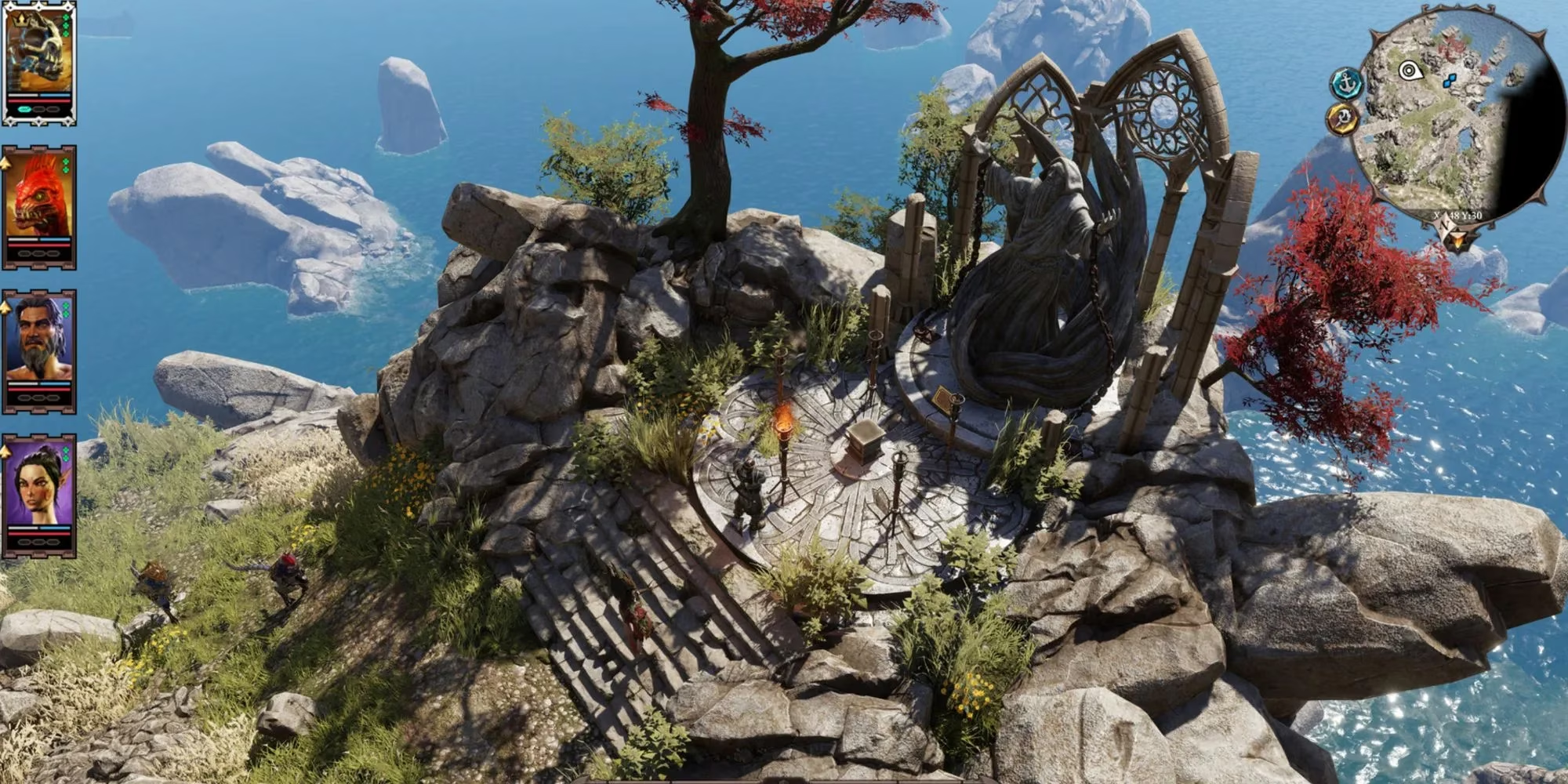
As a pinnacle of the CRPG genre, this game's replayability stems from its systemic freedom and narrative flexibility. The turn-based combat is a puzzlebox of elemental interactions and height advantages, encouraging different tactical approaches with each party setup. Players can choose from predefined "Origin" characters, each with a deep personal storyline that integrates into the main plot, or create a custom avatar. Quests rarely have a single solution; problems can be solved through combat, persuasion, stealth, or clever use of the environment. The sheer number of variables in how a party is built and how stories are resolved makes every campaign a distinct narrative and strategic challenge.
Star Wars: Knights of the Old Republic: A Galactic Choice
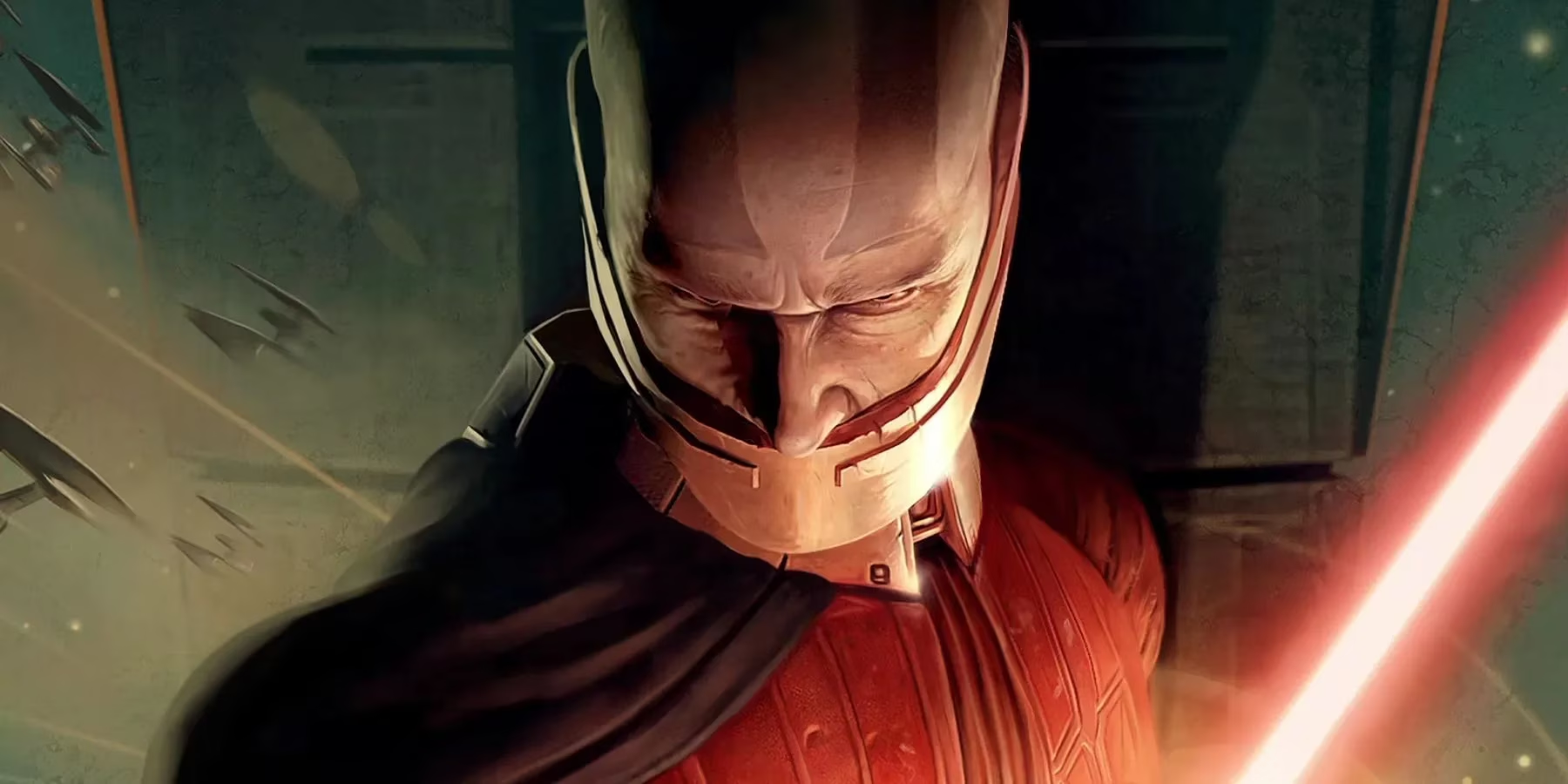
This classic BioWare title centers its replay value on the ultimate Star Wars dilemma: the pull between the Light and Dark sides of the Force. Players can guide their character down a path of heroic sacrifice or selfish power, with the alignment affecting available Force powers, companion reactions, story outcomes, and even the final confrontation. Combined with different character builds (Jedi Guardian, Consular, or Sentinel) and the choice of playing as a male or female Revan, the game offers a classic tale that can be morally reshaped with each playthrough.
Kenshi: The Ultimate Player-Driven Narrative
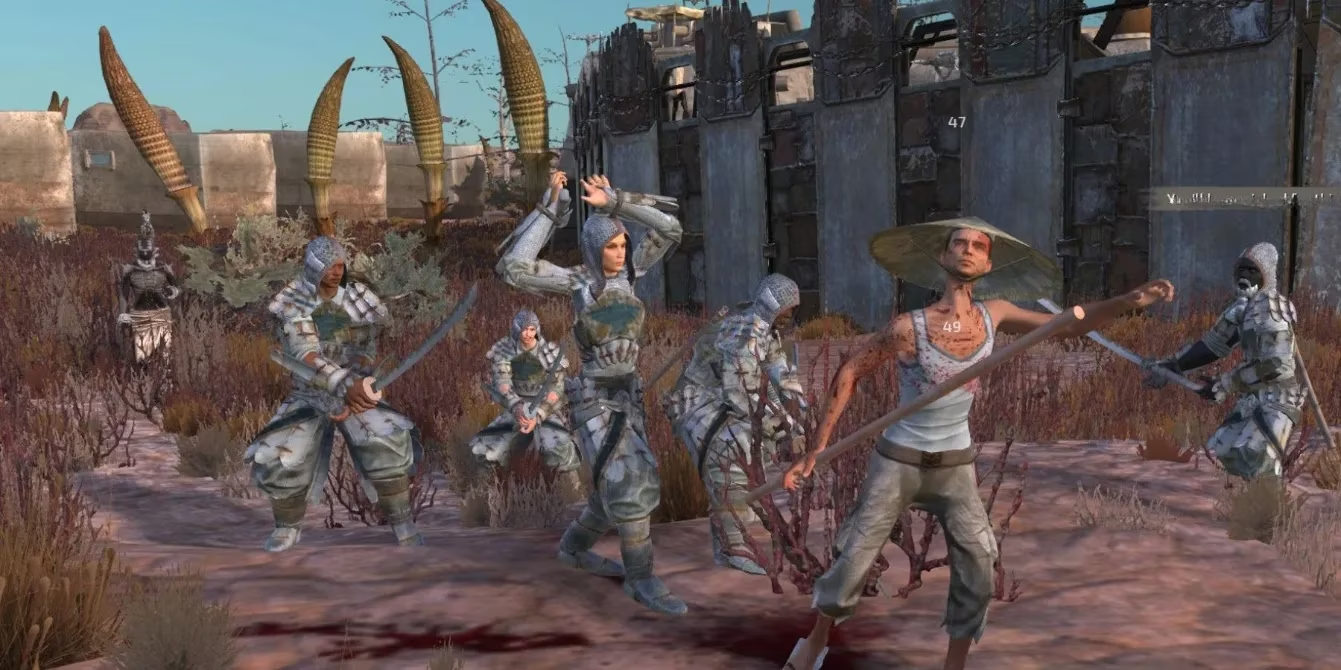
Standing apart from narrative-heavy RPGs, Kenshi offers replayability through pure, unfettered emergence. This brutal sandbox RPG has no main quest. Instead, players define their own story through sheer survival and ambition. One playthrough might see a lone wanderer becoming a master swordsmith, while another could focus on building a thriving town and defending it from cannibal raids. Players can be traders, bounty hunters, rebels, or slavers. The lack of a predefined path means the experience is wholly generated by the player's goals and the world's harsh reactions to them, guaranteeing that no two sagas in its desolate world are ever alike.
In 2026, the legacy of these Western RPGs continues to thrive, proving that depth of choice and respect for player agency are timeless design principles. They demonstrate that the most memorable adventures are not those that are simply watched, but those that are actively shaped, experienced from multiple viewpoints, and returned to time and again to uncover new secrets and tell new stories. The promise of a different outcome, a untried build, or an unseen corner of the world keeps these virtual landscapes forever compelling, cementing their status as classics designed for the long haul.
Data referenced from SteamDB underscores why replay-focused Western RPGs like Skyrim, Divinity: Original Sin 2, and Cyberpunk 2077 keep resurfacing in player libraries: long-tail engagement tends to follow games that support radically different builds, branching quest outcomes, and mod-friendly ecosystems, making a “second run” feel less like repetition and more like a fresh campaign with new constraints, discoveries, and self-imposed role-play rules.