Why StarCraft II Still Matters In 2026
StarCraft II and real-time strategy games thrive in 2026 with free access, deep competition, welcoming tools, and lasting esports value.
In 2026, a young player named Elena had all but accepted that real-time strategy games were a relic. Then a friend told her that StarCraft II was still free, still patched, and still full of players. She installed it on a laptop that was already three years old, and within an hour she was commanding marines, building supply depots, and losing to a stranger on the other side of the world. The experience was humbling, thrilling, and surprisingly welcoming. StarCraft II may no longer dominate headlines the way it did in 2010, but it remains one of the most rewarding competitive games a person can play in 2026.
A Legacy That Shaped Esports
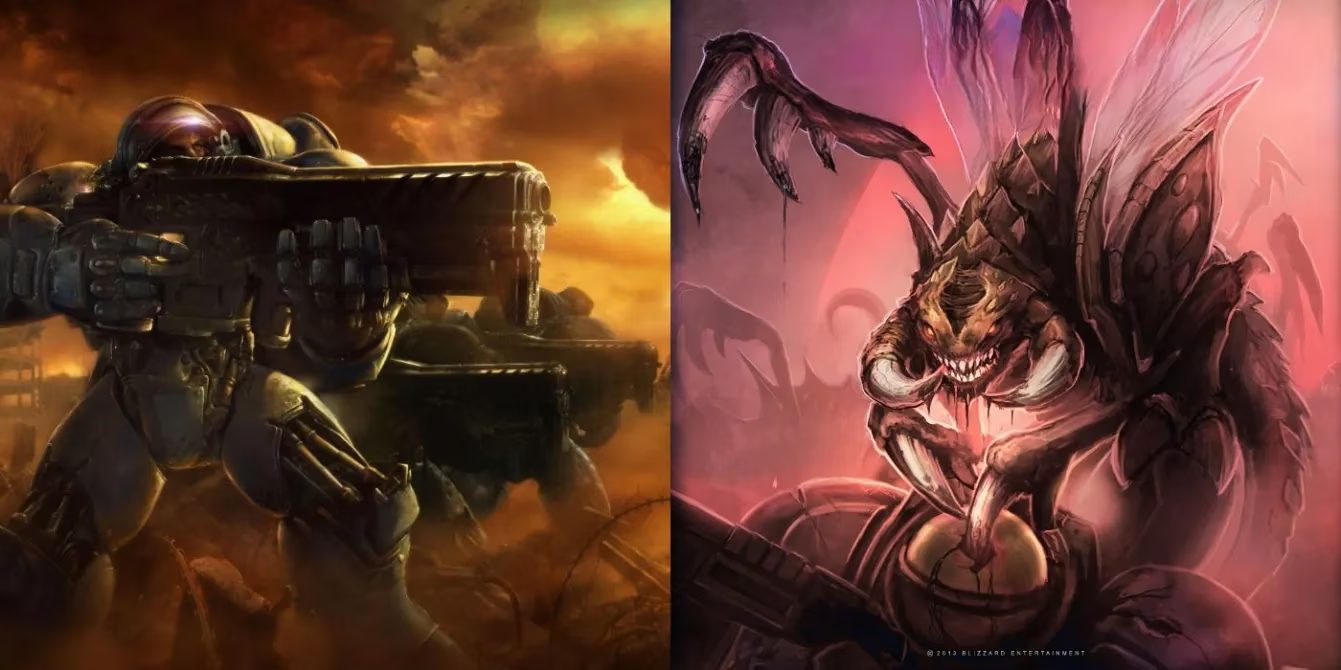
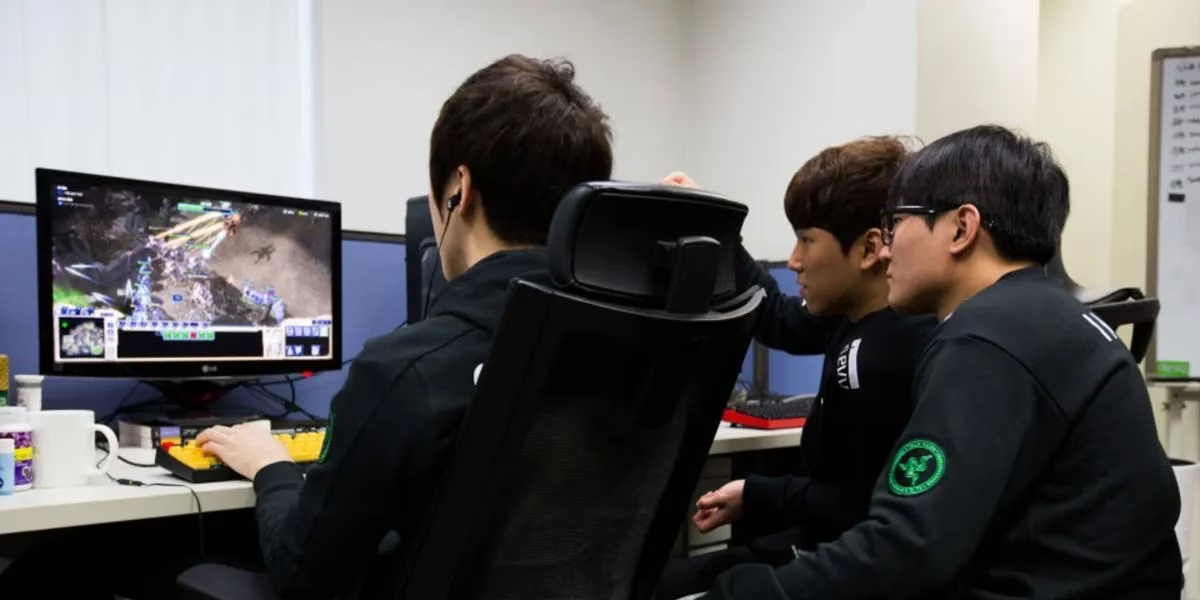
The original StarCraft did more than sell millions of copies. It built the blueprint for modern esports, especially in South Korea, where professional matches filled stadiums and produced household names. StarCraft II arrived in 2010 with enormous expectations, and for a while it met them. Over time, the spotlight moved to other genres, and big publishers became cautious about real-time strategy. Yet the genre's history still matters. When players support StarCraft II in 2026, they send a signal that tactical, mechanically demanding games deserve investment. Microsoft's ownership of Activision Blizzard has not erased the game's dedicated community, and the continued presence of StarCraft II at major tournaments proves that the demand never fully disappeared.
Low Barriers, High Ceiling
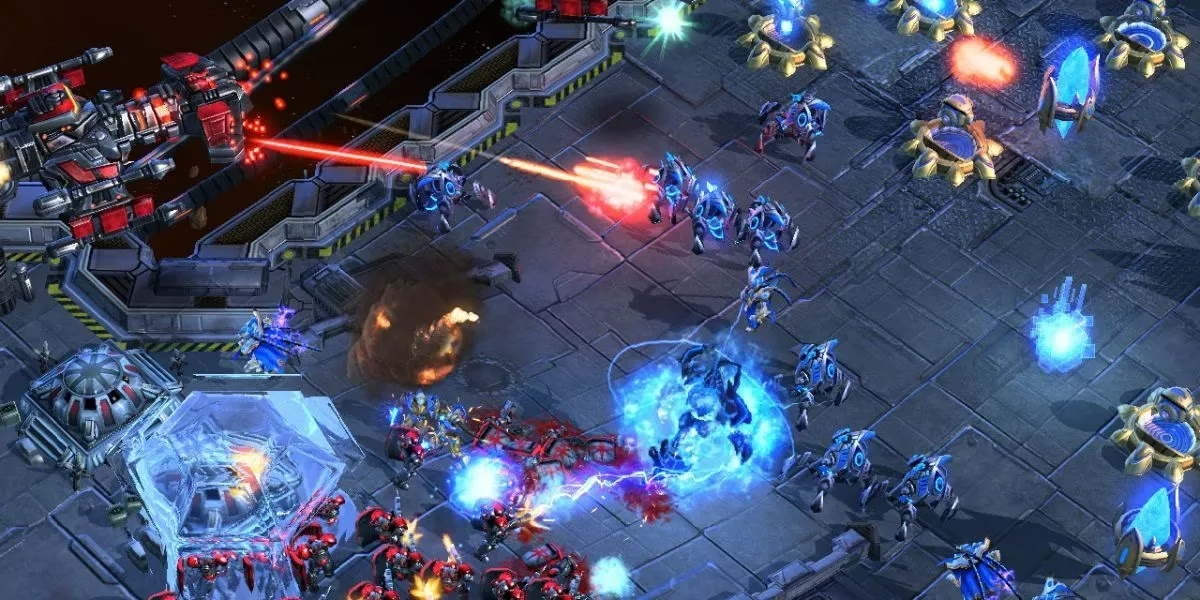
Elena's laptop was nothing special. It had integrated graphics and a modest processor. StarCraft II ran smoothly anyway. The game's system requirements are famously light, which means almost anyone with a modern desktop or laptop can install it without upgrading. The price is even lighter: zero dollars. Since going free-to-play in November 2017, StarCraft II has offered full multiplayer access, the first single-player campaign, and several co-op commanders at no cost. Skins, additional co-op levels, and later campaigns are optional purchases. In 2026, that free-to-play model still stands, making StarCraft II one of the best values in PC gaming.
Learning The Game Is Easier Than Ever
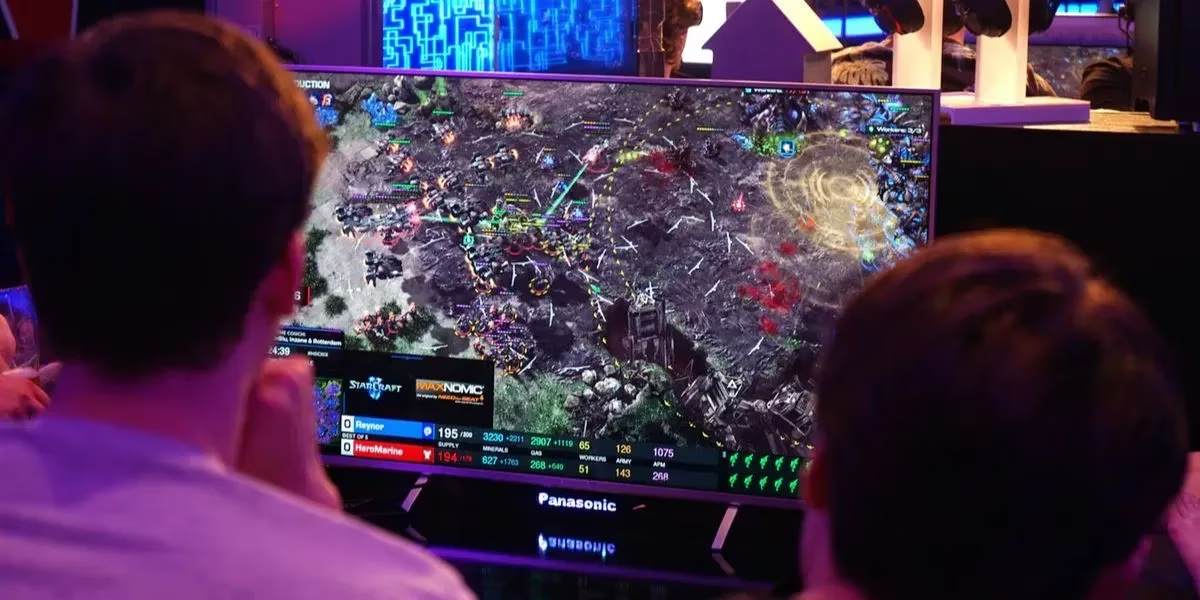
StarCraft II has a reputation for brutality. It is a one-versus-one game most of the time, and there is no teammate to blame when a rush fails or a worker line gets wiped out. The game asks players to manage economy, production, scouting, upgrades, and army control simultaneously. That complexity once scared away newcomers. In 2026, however, help is everywhere. Video guides break down build orders for Terrans, Protoss, and Zerg. Community wikis explain unit counters. Coaches offer lessons. Streamers narrate their decisions in real time. A beginner can now learn the basics in a weekend and spend years refining the details.
Three Campaigns, Three Races, Endless Variety
The single-player side of StarCraft II remains a standout. Wings of Liberty follows the Terran rebel Jim Raynor. Heart of the Swarm puts players in command of the Zerg Swarm. Legacy of the Void focuses on the Protoss and their struggle for survival. Each campaign introduces different units, abilities, and mission structures. Some missions demand careful resource management. Others require defense, escort, or all-out annihilation. Nova Covert Ops adds more missions for those who want a shorter, focused story. The writing may not please everyone, but the gameplay variety is excellent, and the campaigns double as the best tutorial for competitive play.
More Than Just Ranked Ladder
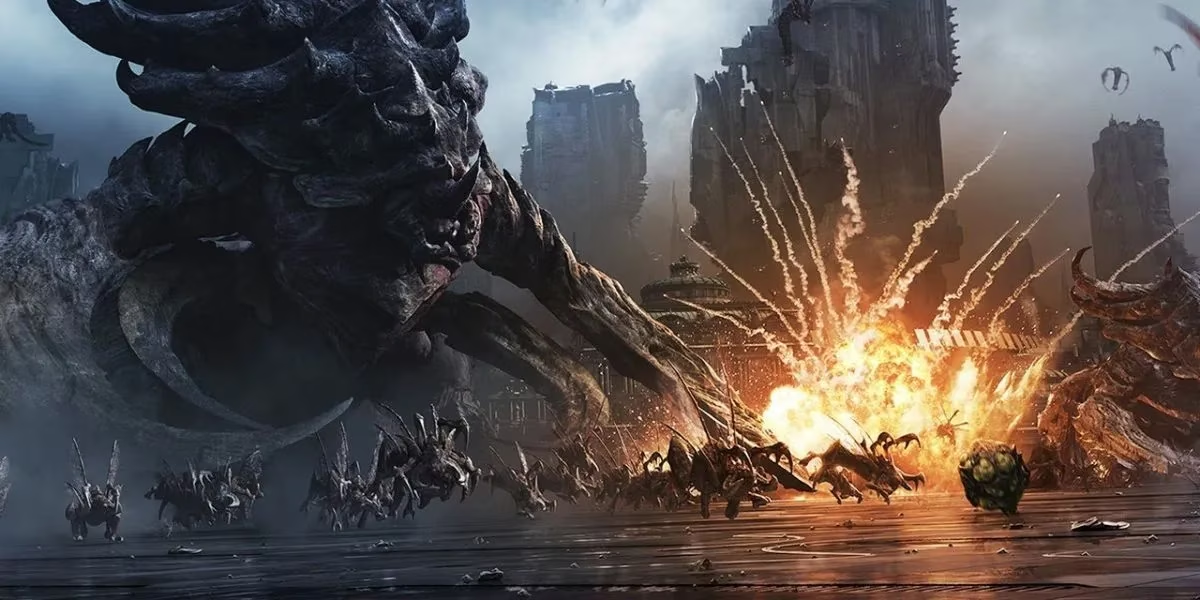
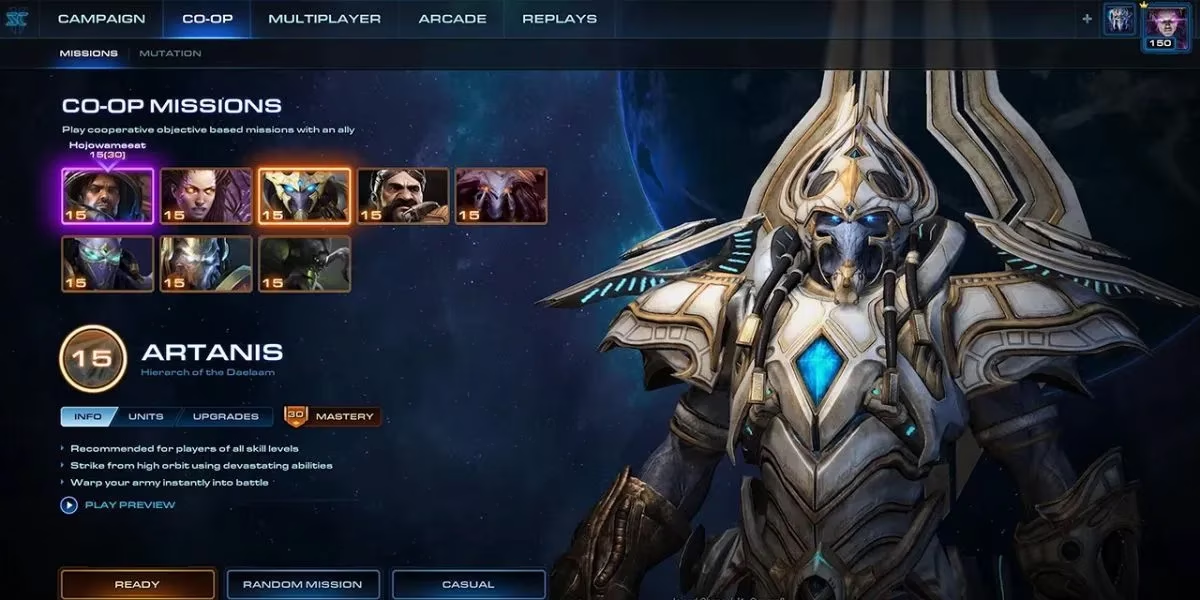
Ranked one-versus-one is the heart of StarCraft II, but it is not the only way to play. Team games allow friends to share the pressure. Arcade mode hosts community-created maps and modes that range from tower defense to survival horror. Co-op mode lets players choose heroes from the campaign and complete objectives together, each commander bringing unique units and abilities. For players who want a break from ladder anxiety, co-op is a relaxed but still strategic alternative. The variety means that a player can enjoy StarCraft II for years without ever touching the ranked queue.
Balance And Competition In 2026
In the early days of Wings of Liberty, critics complained about deathball strategies that rewarded amassing one giant army and attacking. Two expansions and countless patches later, the game is far more dynamic. A community balance council and regular updates have kept the meta shifting, even if players still argue about which race is strongest. The competitive scene is smaller than its peak, but it is not dead. Major tournaments like IEM Katowice continue to feature StarCraft II, and veterans still compete for titles. The original StarCraft also retains a loyal following in South Korea, proving that the franchise's competitive spirit endures.
A Healthy Player Base And A Simple Truth
Reports of StarCraft II's death have been exaggerated for years. In 2026, matchmaking still finds games quickly for most skill levels. The community is smaller than League of Legends or Counter-Strike, but it is dedicated. New players are not ignored; they are often welcomed by veterans who remember their own first losses. The game is free, runs on almost anything, and offers deep satisfaction. Winning a tense battle, outmaneuvering an opponent, or simply improving a build order feels great. That is the simplest reason to try StarCraft II: it is fun. Elena discovered that for herself, and she is still playing.
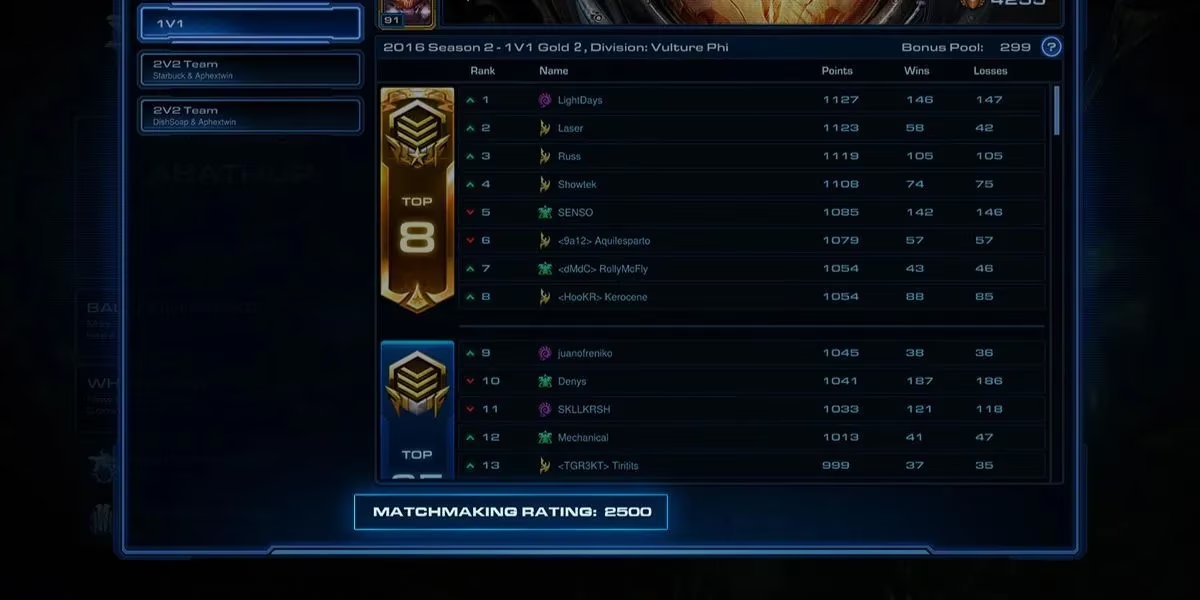
For anyone who has ever wondered whether real-time strategy still has a pulse, StarCraft II answers with a resounding yes. It is free, approachable, deep, and alive in 2026. The ladder waits.